Suspect Poisoning? Call This Number First怀疑中毒?先打这个电话 Australian Poisons Information Centre · Available 24/7 · Australia-wide澳大利亚毒物信息中心 · 全天候接听 · 全澳适用
13 11 26 POISONS INFO

ANACMS Public Safety Quick ReferenceANACMS 公共安全速查

Common Toxic Garden & Naturalised Plants in Australia — A Quick Reference澳洲常见庭园与归化有毒植物速查

Toxic plants commonly found in Australian gardens, streets, schools and workplaces. Organised by toxin type rather than by botanical family, because plants containing the same class of toxin tend to cause similar symptoms and require similar first-aid responses, and in an emergency the most useful thing to know is which category a plant belongs to. This list is not exhaustive; it covers plants that combine a high likelihood of contact in Australia with a clearly established risk.澳洲庭园、街道、学校、办公室里常见到的有毒植物。按毒性类型编排,不按科属——因为同一类毒素的中毒表现与处置原则相近,而遇事时最需要知道的是"这属于哪一类"。本表不求全,只收在澳洲接触概率高且风险明确者。

!

Do Not Induce Vomiting不要自行催吐

Unless instructed by a professional. Inducing vomiting can cause further injury with some toxins, particularly corrosive ones.除非专业人员指示。部分毒物催吐会造成二次伤害,尤其腐蚀性者。

!

Don't Wait and See不要"等等看"

Poisoning from several plants on this list has a delayed onset. By the time symptoms appear, the best window for treatment has often already passed.本表中数种的中毒有潜伏期。症状出现时,往往已过了最佳处置时机。

When You Call, State Three Things Clearly打电话时说清三件事

What was eaten or touched (a sample or photo helps), how much, how long ago, and the person's age and current condition. If the person is unconscious, has stopped breathing, or is having a seizure, call 000 for an ambulance immediately. If a pet has ingested a plant, contact a vet or emergency animal hospital straight away; do not apply the same judgement used for humans.吃了/碰了什么(能带样本或照片最好)、多少、多久以前、当事人的年龄与目前状况。人已昏迷、停止呼吸或抽搐——直接拨 000 叫救护车。宠物误食请立即联系兽医或宠物急诊,不要按人的情况判断。

1. Cardiac Glycosides一、强心苷类

The Group That Demands the Most Caution最须警惕的一类

Shared traits: affects heart rhythm and can cause arrhythmia or cardiac arrest; poisoning may have an onset delayed by several hours; the sap, flowers, leaves and seeds can all be toxic; even the smoke from burning these plants is toxic.共同特点:影响心脏节律,可致心律失常乃至心搏骤停;中毒可有数小时潜伏期;乳汁、花、叶、种子皆可能含毒;焚烧的烟雾亦有毒。

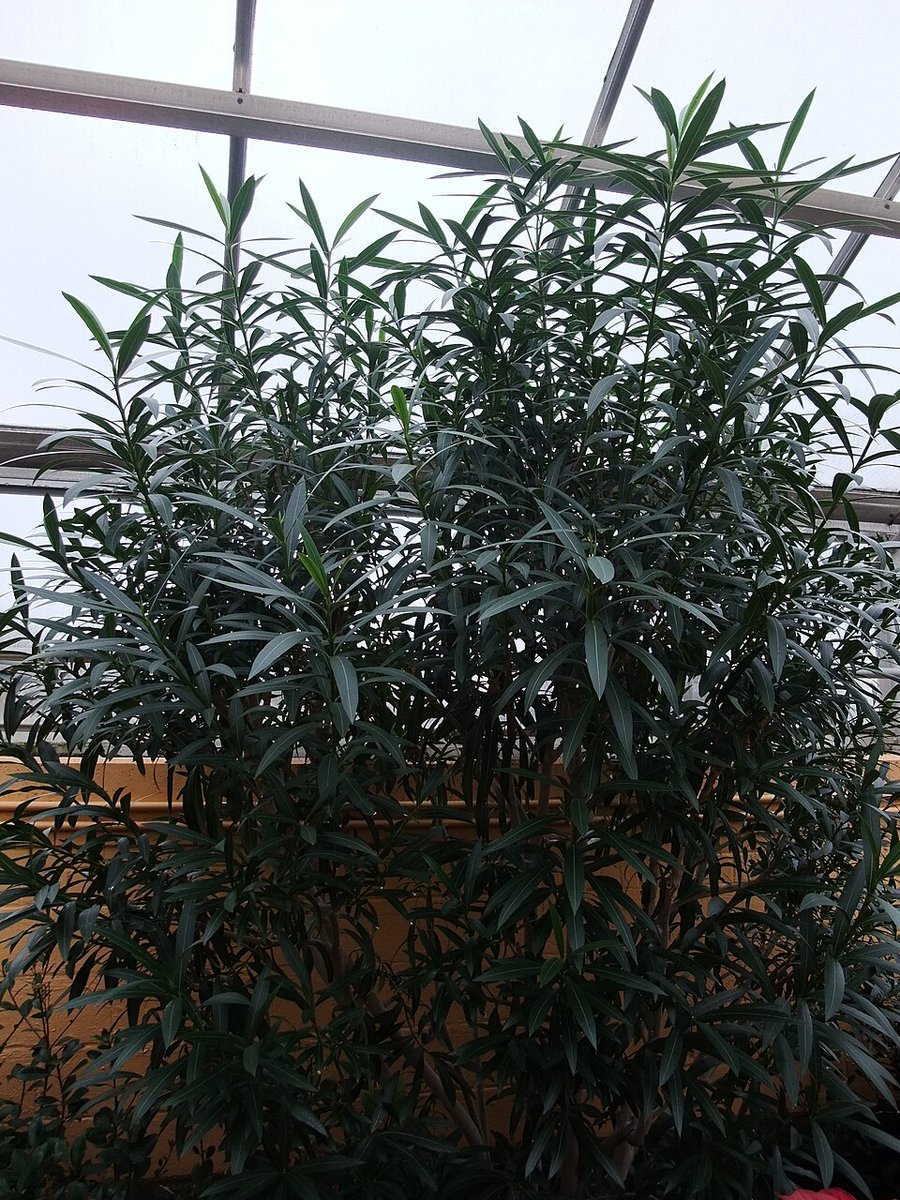
Oleander夹竹桃Nerium oleander

Identification: 怎么认:Evergreen shrub to small tree with narrow, leathery leaves in whorls of three; pink, white or red five-petalled flowers; sap oozes when broken. Extremely common as a street and garden plant in Australia, drought-tolerant.常绿灌木至小乔木,叶三枚轮生、狭长革质;花粉红、白或红,五瓣;折断处有乳汁。澳洲极常见的行道与庭园植物,耐旱。

Toxic Part / Note: 哪部分有毒/提示:The entire plant is highly toxic, containing oleandrin and related compounds. This is the single most important plant to remember on this list. A small amount of leaf can cause severe poisoning; smoke from burning the branches is toxic, so do not burn prunings; never use its branches as skewers for cooking food.全株剧毒,含欧夹竹桃苷等。本表最须记住的一种。少量叶片即可致严重中毒;焚烧枝叶的烟雾有毒,修剪后不可焚烧;不可用其枝条串食物烧烤。
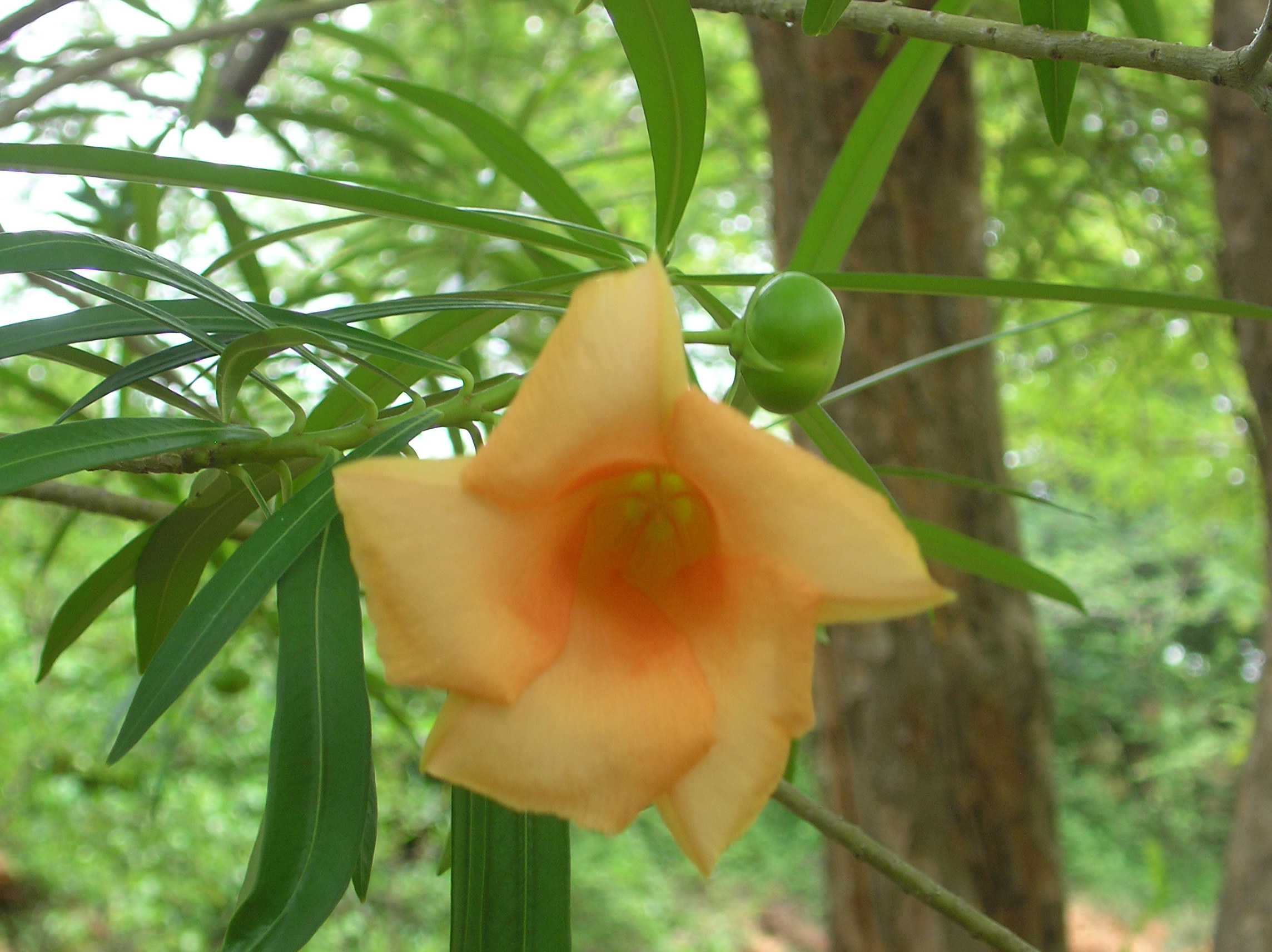
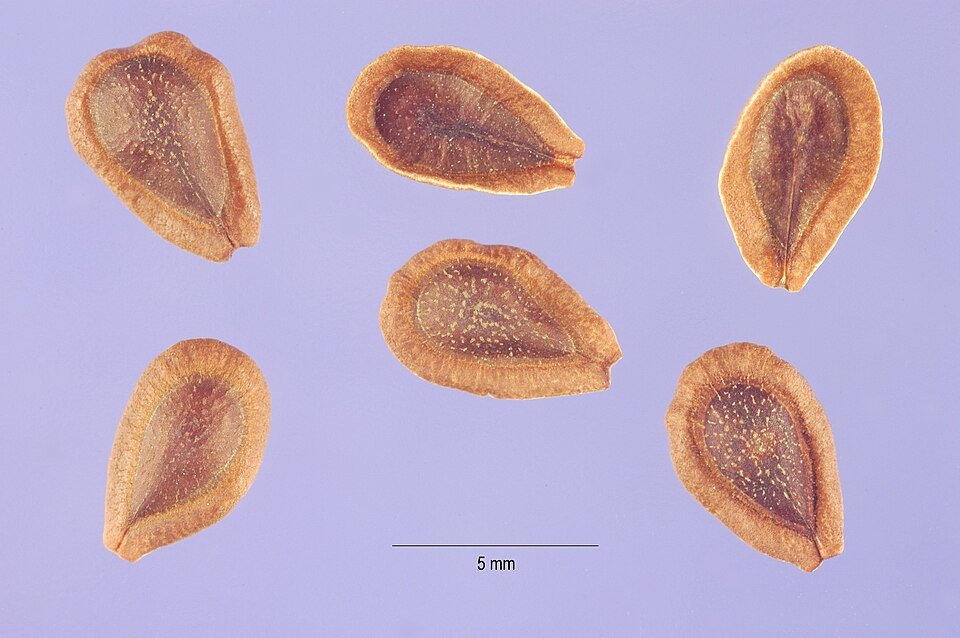
黄花夹竹桃 Cascabela thevetia

图:Lalithamba / Flickr,CC BY 2.0

Yellow Oleander黄花夹竹桃Cascabela thevetia

Identification: 怎么认:Small tree with yellow, funnel-shaped flowers and nut-like fruit; abundant sap.小乔木,花黄色漏斗状,果核状;乳汁丰富。

Toxic Part / Note: 哪部分有毒/提示:The seed is the most toxic part. It resembles a nut, giving it a high risk of accidental ingestion by children.种子毒性最强。种子形似坚果,儿童误食风险高。

Tropical Milkweed马利筋Asclepias curassavica

Identification: 怎么认:Herbaceous plant with orange-and-yellow flowers; follicles split open to release seeds with white silky hairs; white sap when broken.草本,花橙红与黄双色,蓇葖果开裂放出白色冠毛种子;折断有白色乳汁。

Toxic Part / Note: 哪部分有毒/提示:The whole plant is toxic, especially the sap. Common in wildflower gardens and butterfly gardens; sap in the eyes can cause corneal damage.全株,乳汁尤甚。常见野花与蝶园植物;乳汁入眼可致角膜损伤。

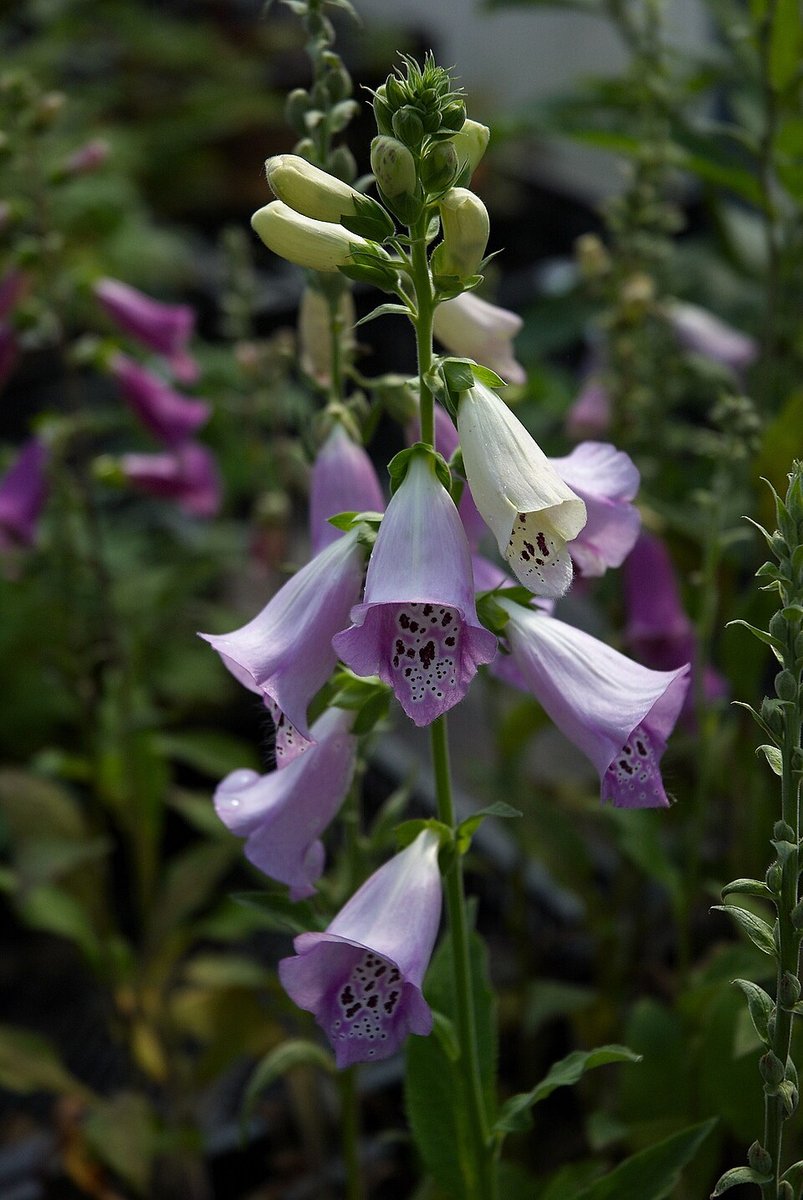
Foxglove毛地黄Digitalis purpurea

Identification: 怎么认:Tall herbaceous plant with drooping, bell-shaped, spotted flowers arranged in spikes.高大草本,花冠钟形下垂、内有斑点,成穗排列。

Toxic Part / Note: 哪部分有毒/提示:The whole plant is toxic, especially the leaves. A garden ornamental; its leaves have been mistaken for edible comfrey leaves.全株,叶尤甚。花园观赏;叶曾被误认作紫草科可食叶片。

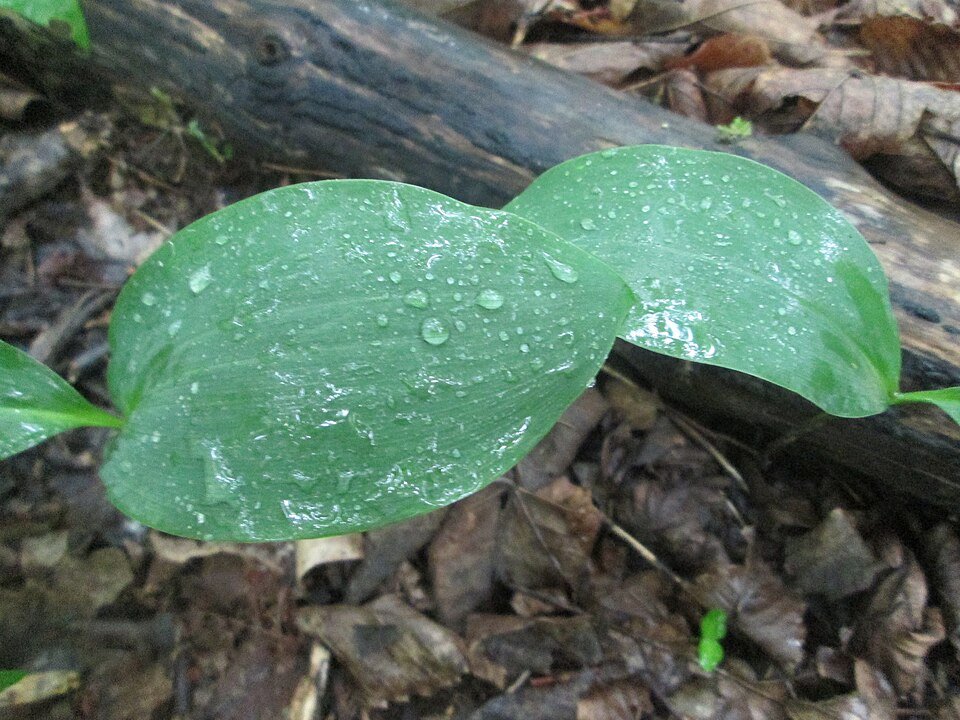
Lily of the Valley铃兰Convallaria majalis

Identification: 怎么认:Low herbaceous plant with broad basal leaves; small white bell-shaped flowers hang in a string; red berries in autumn.低矮草本,叶阔而基生,白色钟形小花下垂成串,秋结红果。

Toxic Part / Note: 哪部分有毒/提示:The whole plant is toxic; the red berries pose a particular risk to children. Grown as an ornamental.全株,红果对儿童尤险。观赏栽培。

Common symptoms of this type of poisoning: nausea and vomiting, abdominal pain, visual disturbances (yellow-green vision), palpitations, irregular pulse, and weakness. Any heart-rhythm-related symptom is a medical emergency.此类中毒的常见表现:恶心呕吐、腹痛、视物异常(黄绿视)、心悸、脉律不整、乏力。出现心律相关症状即属急症。

2. Anticholinergics二、抗胆碱能类

Shared traits: dry mouth, dilated pupils, blurred vision, hot and flushed dry skin, rapid heartbeat, agitation and delirium — this cluster of symptoms is quite distinctive and can serve as a clue for identification.口干、瞳孔散大、视物模糊、皮肤干热潮红、心跳加快、烦躁谵妄——这一组表现相当有特征,可作识别线索。

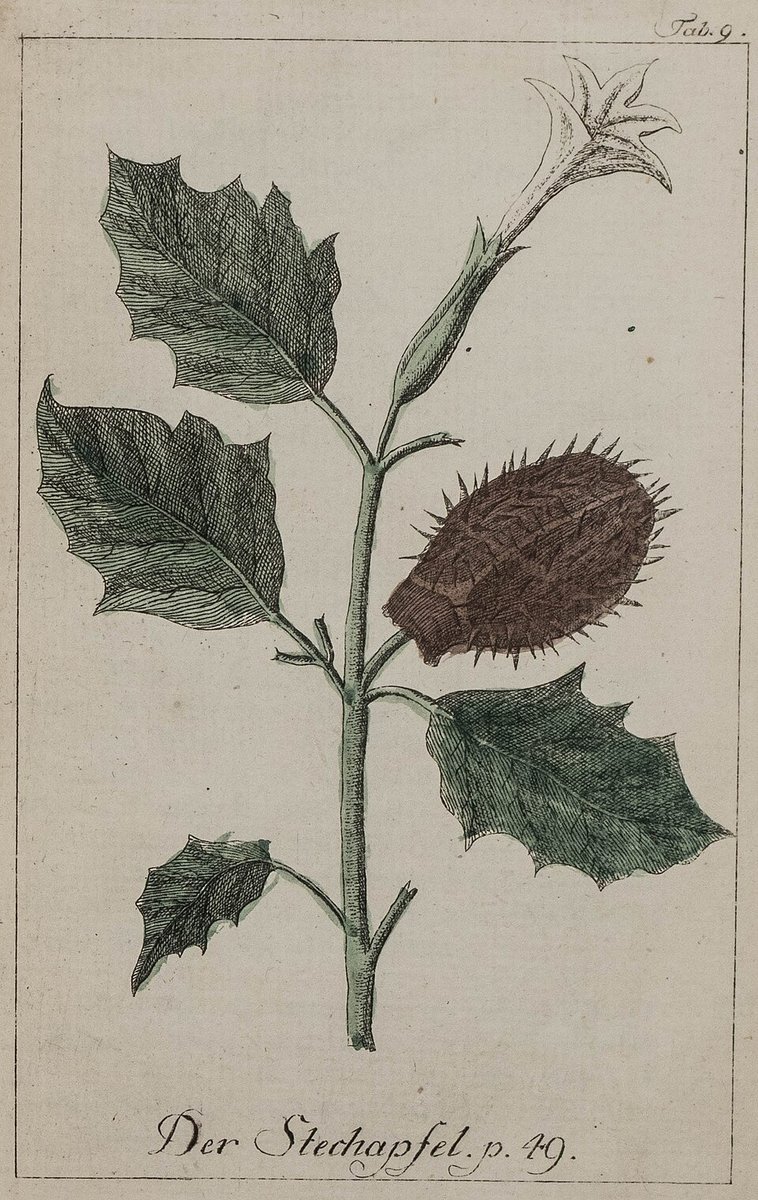
Thorn Apple / Jimsonweed曼陀罗属Datura spp. (e.g. D. stramonium)

Identification: 怎么认:Annual herb with large, upward-facing, funnel-shaped flowers; the capsule is covered in stiff spines, hence the common name "thorn apple".一年生草本,花大而漏斗状、直立向上;蒴果密生硬刺,俗称"刺苹果"。

Toxic Part / Note: 哪部分有毒/提示:The whole plant is toxic, the seeds most of all. A widely naturalised roadside weed in Australia; poisoning usually occurs when the seeds are mistaken for edible seeds, or when infusions made from the plant are ingested.全株,种子最毒。澳洲广泛归化的路边杂草;误食多因把种子当作可食种子,或误饮其泡制物。

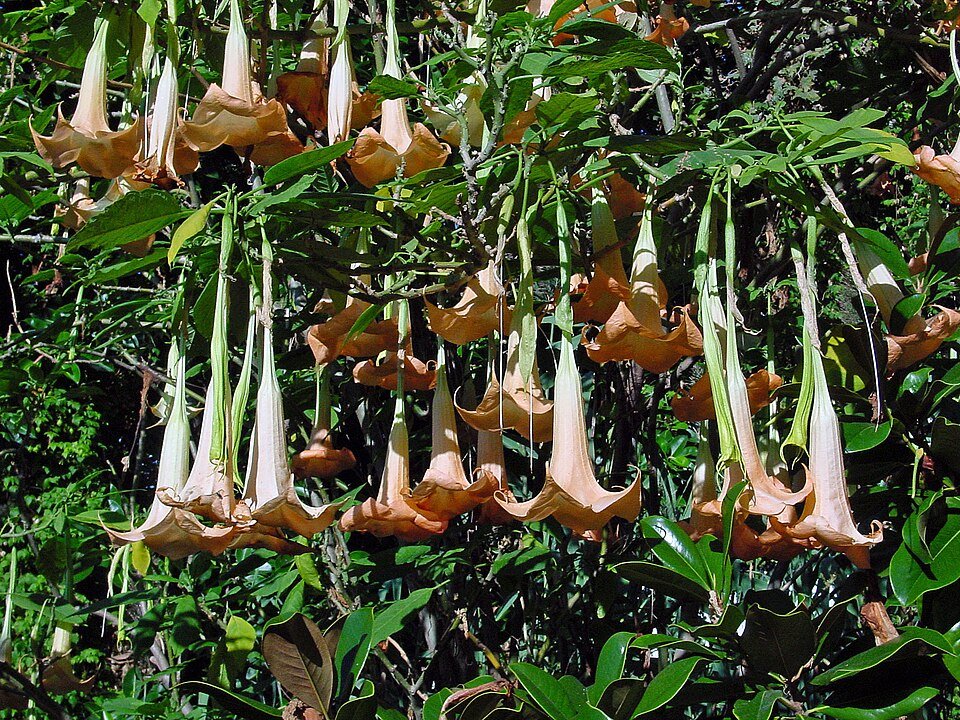
Angel's Trumpet木曼陀罗Brugmansia spp.

Identification: 怎么认:Shrub to small tree with large, hanging, trumpet-shaped and strongly fragrant flowers, hence the common name "Angel's Trumpet".灌木至小乔木,花大而下垂如喇叭,香气浓,俗称"天使的号角"。

Toxic Part / Note: 哪部分有毒/提示:The whole plant is toxic. A common garden ornamental; its fragrance and beauty lead people to underestimate its toxicity; poisoning has occurred from people picking the flowers to brew as a drink.全株。庭园常见观赏植物;其香气与美观使人低估其毒性;有因自行采花泡饮致中毒者。

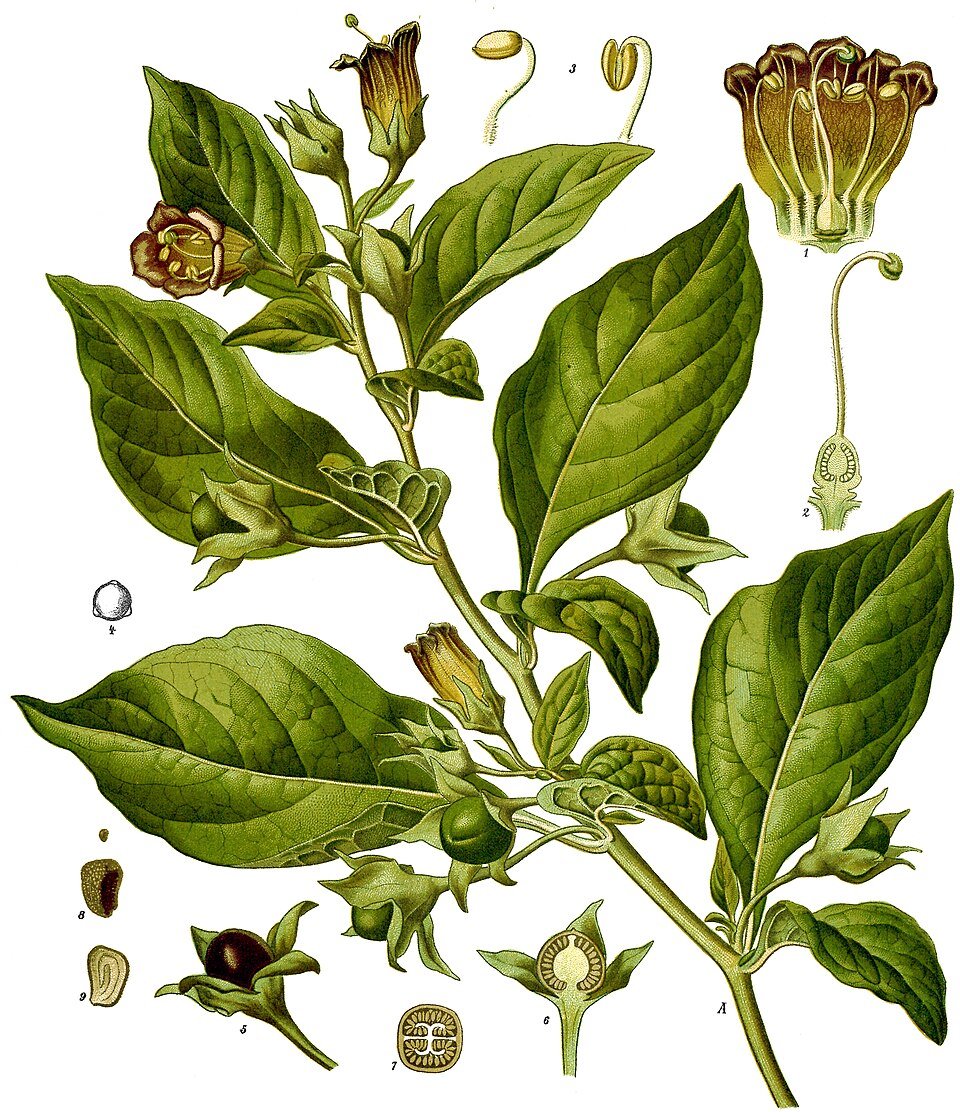
Deadly Nightshade & Henbane颠茄类Atropa, Hyoscyamus, etc.

Identification: 怎么认:Herbaceous plants; fruit is a berry or capsule.草本,果为浆果或蒴果。

Toxic Part / Note: 哪部分有毒/提示:The whole plant is toxic. Less commonly encountered, but contains the same class of compounds.全株。较少见,但成分同类。

Worth noting alongside these: Corkwood (Duboisia myoporoides) belongs to the same group — its main alkaloids, scopolamine and hyoscyamine, are identical to those in the Chinese herb Hyoscyami Semen (tianxianzi). The symptoms and management principles for this category apply equally.须一并记的一条:栓皮木(Duboisia myoporoides)与此同类——其主生物碱东莨菪碱与莨菪碱,与中药天仙子完全相同。本类的中毒表现与处置原则可相通。

3. Cyanogenic Glycosides三、氰苷类

Shared traits: hydrolyse in the body to release hydrogen cyanide; poisoning may have a delayed onset; chewing or crushing significantly increases the release of cyanide — swallowing whole and chewing produce very different outcomes.在体内水解释放氢氰酸;中毒可有潜伏期;咀嚼或研碎会显著增加释放量——整粒吞下与嚼碎后果不同。

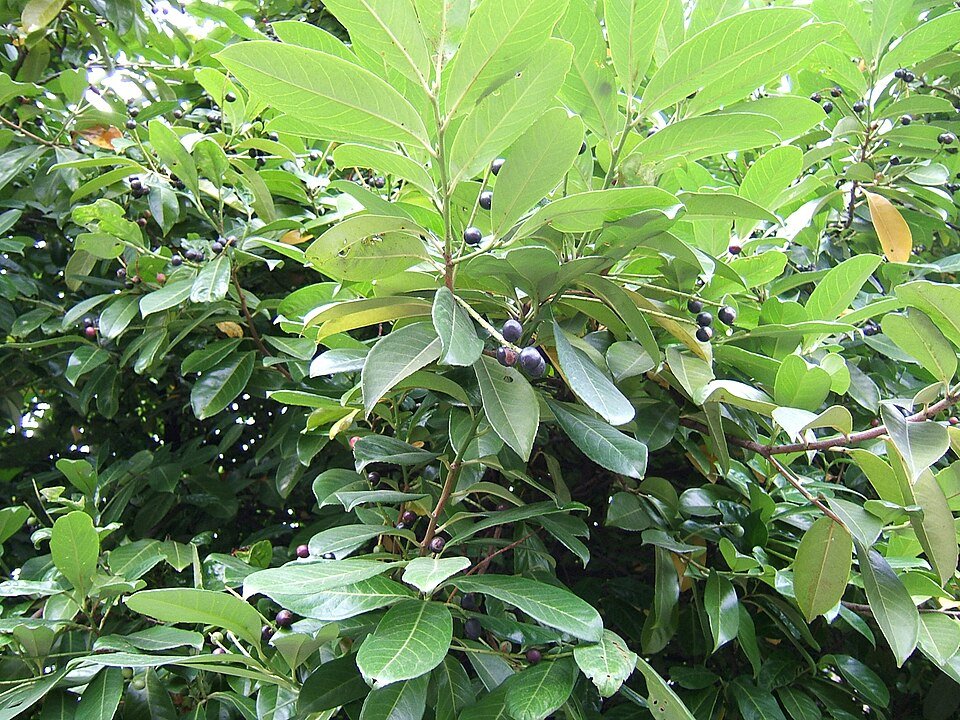
Cherry Laurel樱桃月桂Prunus laurocerasus

Identification: 怎么认:Evergreen shrub with large, glossy, leathery leaves that smell of almonds when crushed — this scent is a useful clue.常绿灌木,叶大而革质有光泽,揉之有杏仁味——此气味即线索。

Toxic Part / Note: 哪部分有毒/提示:Leaves and seed kernels. Commonly grown as a hedge.叶与种仁。常作绿篱。

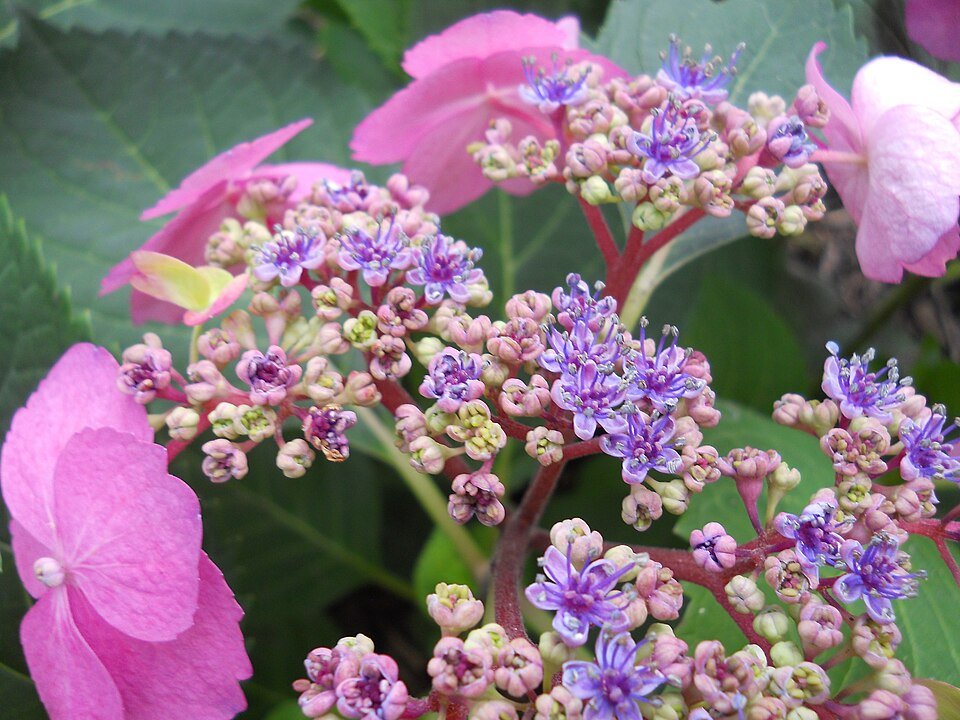
Hydrangea绣球(八仙花)Hydrangea spp.

Identification: 怎么认:Shrub with large, ball-shaped or flat-topped flower clusters in blue, pink or white.灌木,花序大而球状或伞状,蓝、粉、白。

Toxic Part / Note: 哪部分有毒/提示:Leaves and buds. An extremely common garden shrub; poisoning is usually seen in children who chew on it.叶、芽。极常见庭园花木;中毒多见于儿童啃咬。

Stone Fruit Kernels核果类的种仁Apricot, peach, cherry, apple seeds

Toxic Part / Note: 哪部分有毒/提示:The toxic part is the seed kernel, not the flesh. The fruit flesh poses no issue; the concern is eating large amounts of kernels such as "bitter apricot kernels" as a food item.有毒部分是种仁,非果肉。果肉无此问题;须防的是"苦杏仁"一类的种仁被当作食品大量食用。

Cassava (Raw)木薯(生)

Toxic Part / Note: 哪部分有毒/提示:Properly processed cassava products carry no such risk; eating it raw is high-risk.经充分加工的木薯制品无此风险,生食风险高。

Symptoms of this type of poisoning: headache, dizziness, rapid breathing, altered consciousness; severe cases can progress quickly.此类中毒的表现:头痛、头晕、呼吸急促、意识改变;严重者进展迅速。

4. Calcium Oxalate Crystals四、草酸钙针晶类

The Most Common Household Incident最常见的家庭事件

Shared traits: common to plants in the arum family (Araceae). Needle-like crystals pierce the mucous membranes of the mouth and throat, causing mechanical injury with immediate severe pain, burning and swelling; in severe cases the swelling can affect breathing.天南星科植物的通性。针晶刺入口腔与咽喉黏膜造成机械性损伤,接触即刻剧痛、灼烧感、肿胀;严重者肿胀可影响呼吸。

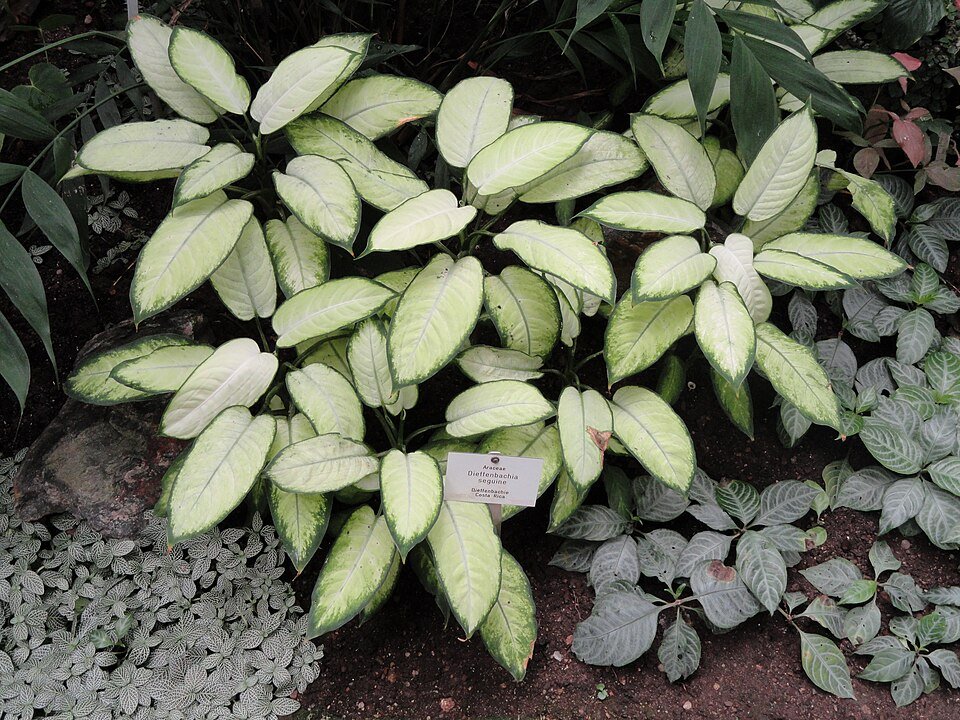
Dumb Cane黛粉叶(花叶万年青)Dieffenbachia

Identification: 怎么认:Large-leaved foliage plant with milky-white variegation on the leaves.大型观叶,叶面有乳白斑纹。

Toxic Part / Note: 哪部分有毒/提示:Its common name "dumb cane" comes from the throat swelling and temporary loss of speech that follows accidental ingestion.英文俗名 dumb cane,即得名于误食后咽喉肿胀致失声。

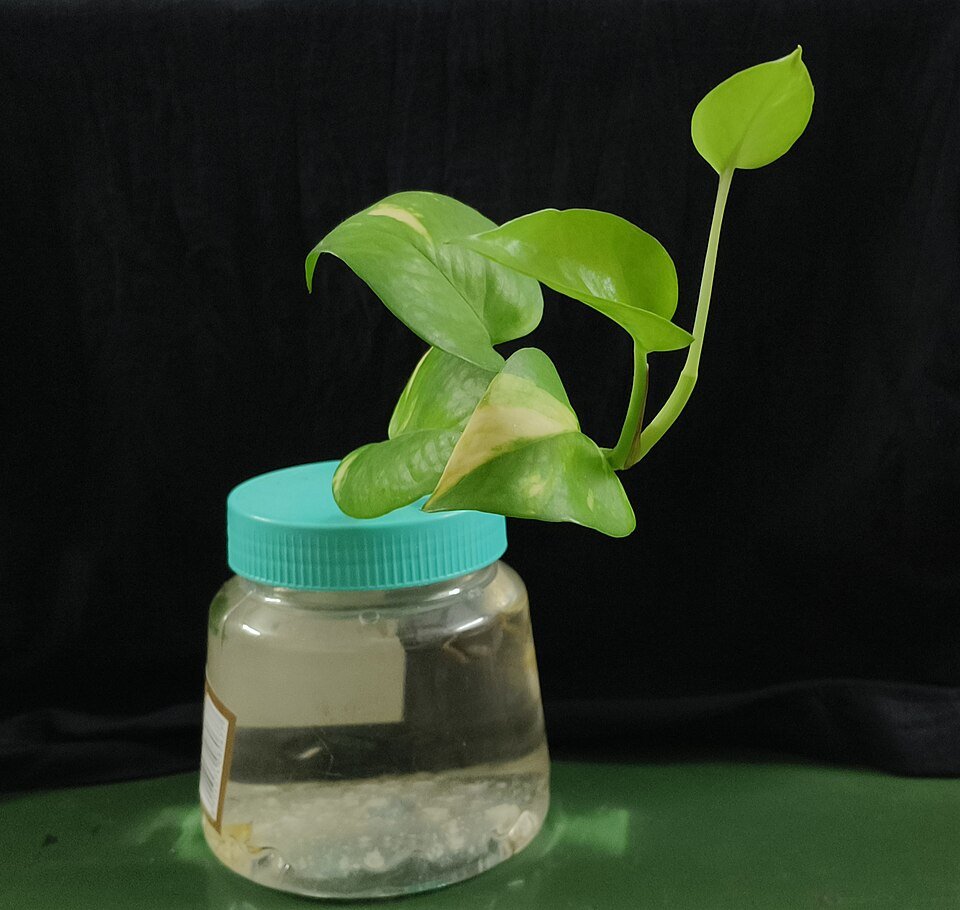
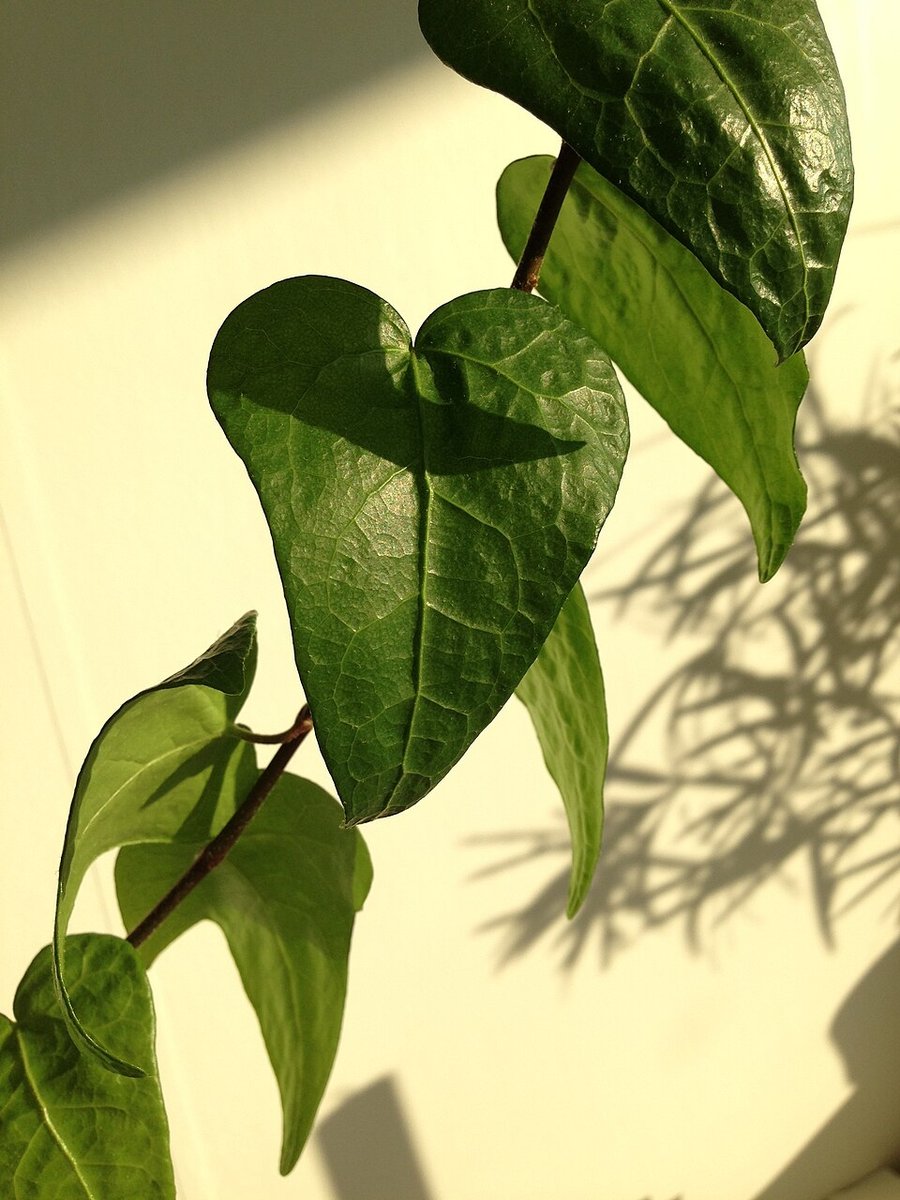
Devil's Ivy / Pothos绿萝Epipremnum aureum

Identification: 怎么认:Climbing vine with heart-shaped leaves marked with yellow patches.攀援藤本,心形叶带黄斑。

Toxic Part / Note: 哪部分有毒/提示:One of the most common indoor plants.最常见的室内植物之一。

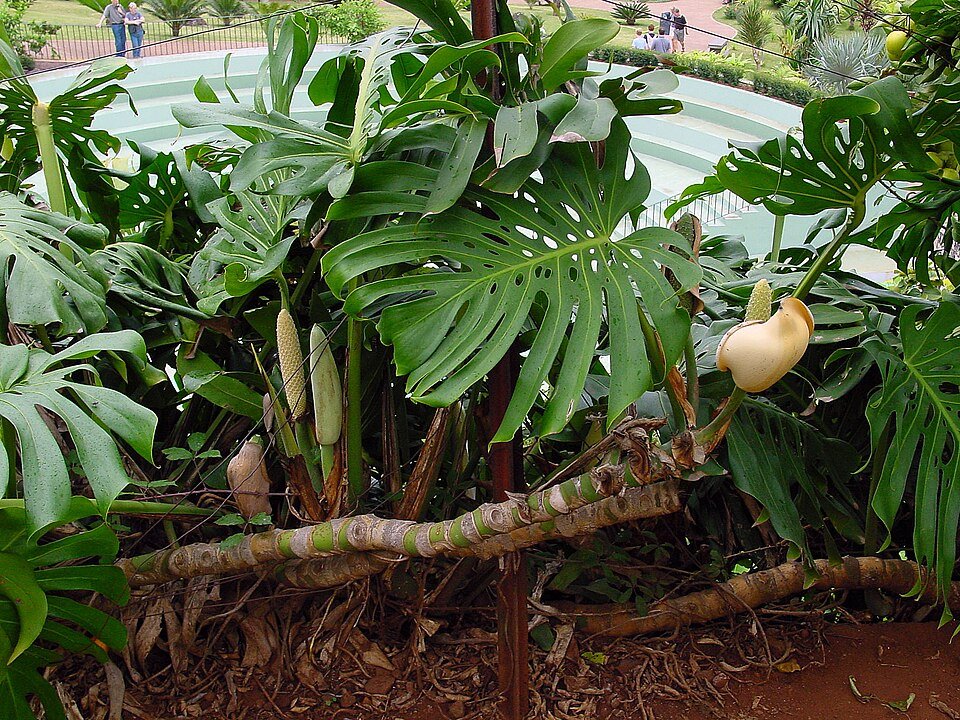
Swiss Cheese Plant龟背竹Monstera deliciosa

Identification: 怎么认:Large leaves with distinctive holes and deep splits.大型叶具孔洞与深裂。

Toxic Part / Note: 哪部分有毒/提示:The ripe fruit is edible, but unripe fruit is intensely irritating — ripeness is the key dividing line here.其果实成熟后可食,未熟者刺激极强——这是一处成熟度分界。

Philodendron喜林芋Philodendron spp.

Identification: 怎么认:Various indoor foliage species, sharing the same mechanism as Dumb Cane and Devil's Ivy above.多种室内观叶,机制同上,可与黛粉叶、绿萝互见。

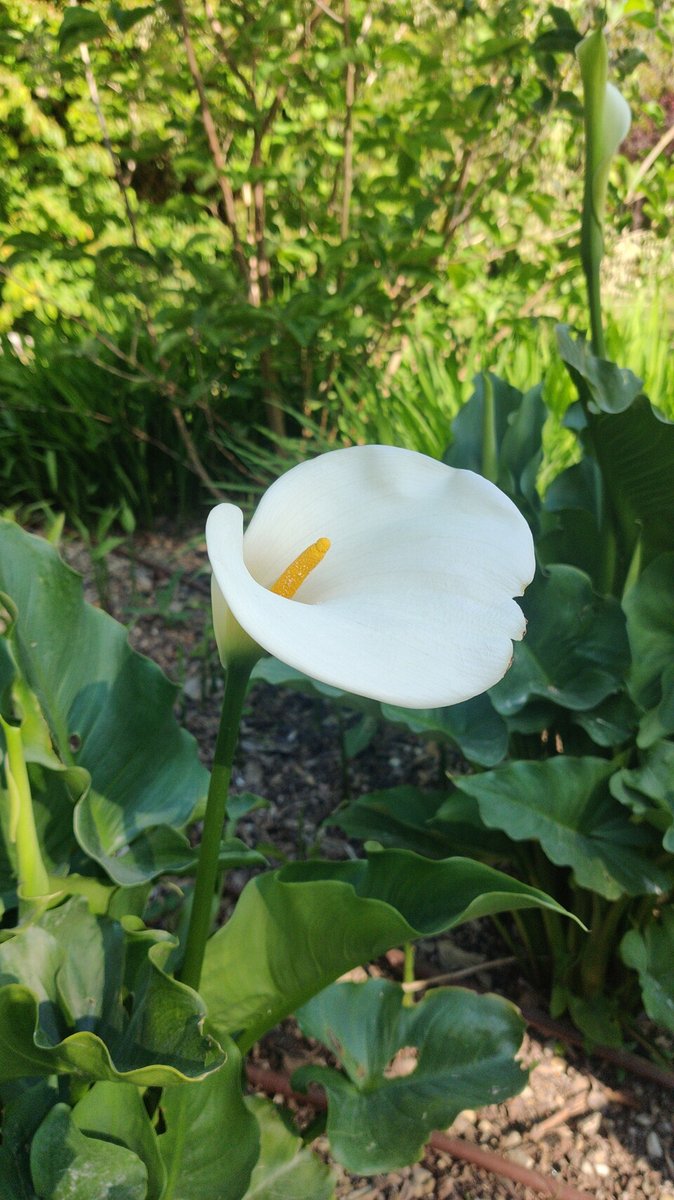
Calla Lily马蹄莲Zantedeschia

Identification: 怎么认:White or coloured spathe with a distinctive flower shape.佛焰苞白色或彩色,花形独特。

Toxic Part / Note: 哪部分有毒/提示:Common in gardens and as a cut flower.庭园与切花常见。

Taro芋Colocasia esculenta

Identification: 怎么认:Large shield-shaped leaves; the corm is edible.大型盾状叶,块茎可食。

Toxic Part / Note: 哪部分有毒/提示:The corm must be thoroughly cooked before eating; eating it raw or undercooked causes intense irritation. Elephant ear is in the same family and shares the same mechanism.块茎须充分加热方可食;生食或加热不足会剧烈刺激。白斑芋为同科,机制相同。

Management: rinse the mouth immediately with water or milk, do not swallow; a cold compress may help relieve discomfort; call emergency services immediately if swelling affects breathing.处置:立即以清水或牛奶漱口,勿吞咽;冷敷可缓解;出现肿胀影响呼吸者立即呼叫急救。

5. Irritant Latex / Sap五、乳汁刺激类

Mainly Euphorbiaceae大戟科为主

Shared traits: white sap oozes when the plant is broken; contact with skin causes burning pain and inflammation; contact with the eyes can cause serious damage.折断处渗出白色乳汁,接触皮肤致灼痛与炎症,入眼可致严重损伤。

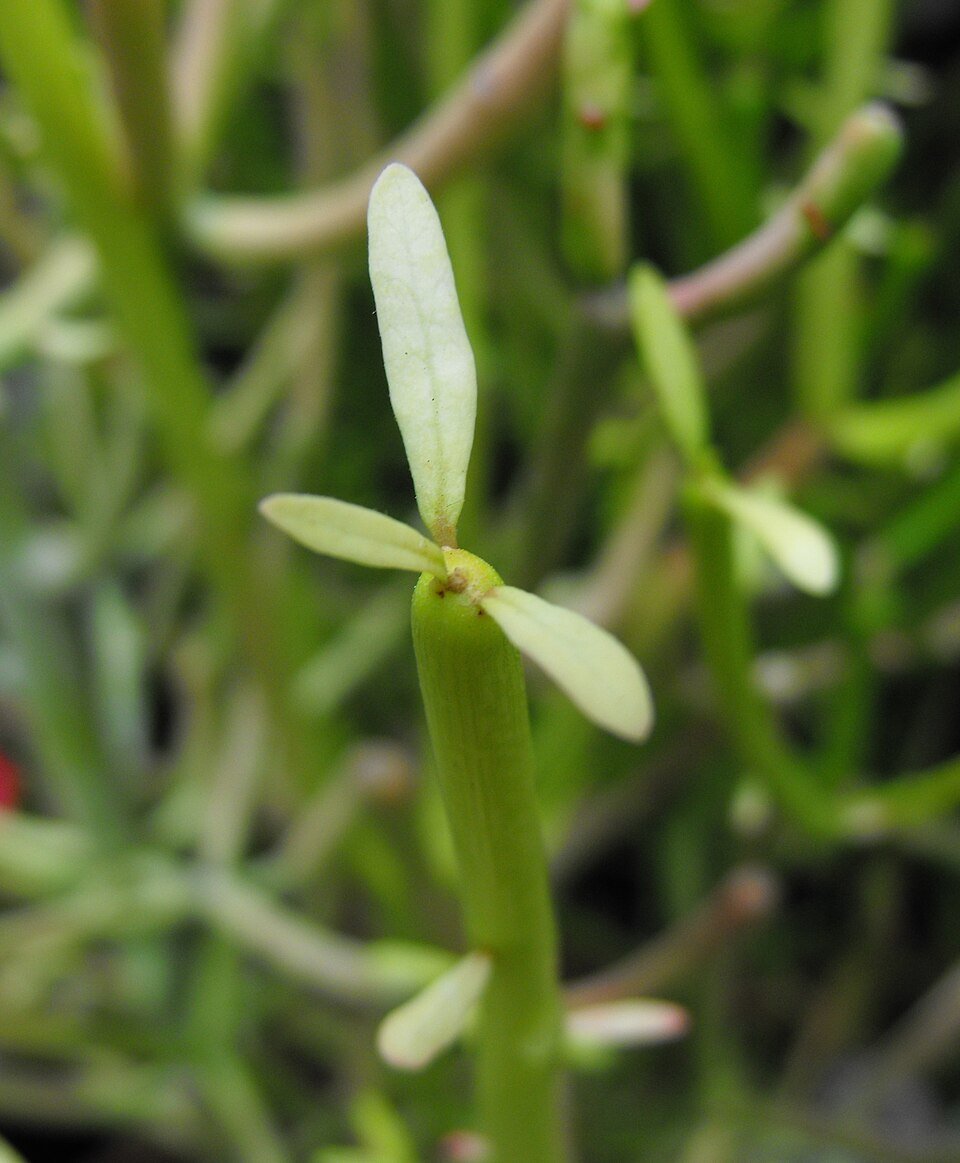
Pencil Cactus / Firestick Plant绿玉树(光棍树)Euphorbia tirucalli

Identification: 怎么认:Leafless, with cylindrical green branches resembling coral.无叶,枝条圆柱形绿色,形似珊瑚。

Toxic Part / Note: 哪部分有毒/提示:The sap contains phorbol esters, a potent irritant and tumour promoter; contact with the eyes can cause serious damage.乳汁含佛波酯类,为强刺激剂与肿瘤促进剂;入眼可致严重损伤。

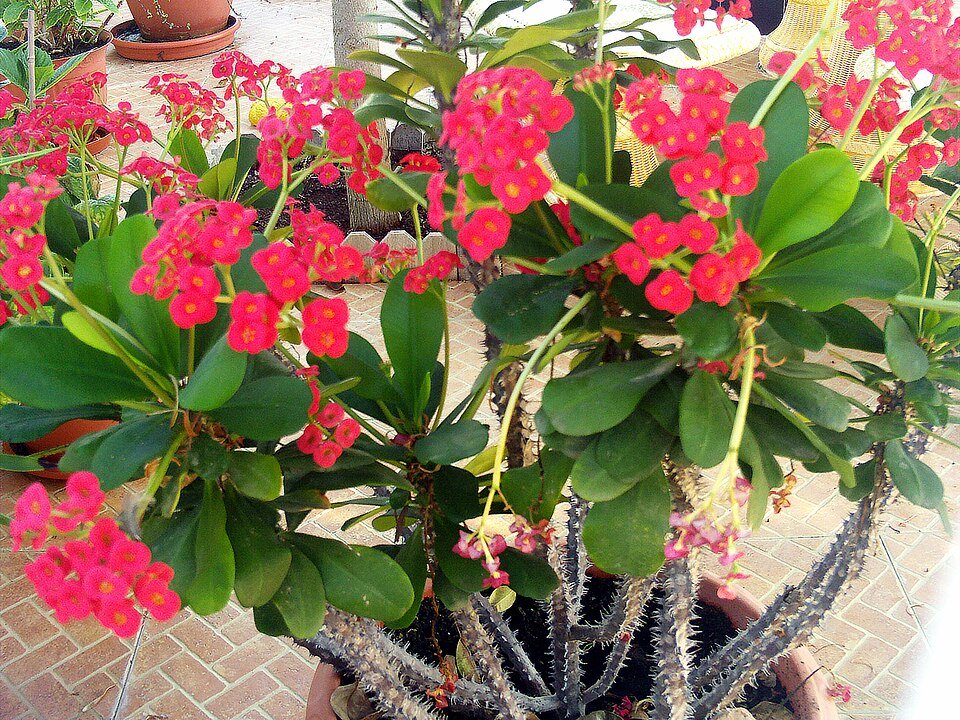
Crown of Thorns铁海棠(虎刺梅)Euphorbia milii

Identification: 怎么认:Thorny, with small flowers surrounded by red bracts.多刺,小花具红色苞片。

Toxic Part / Note: 哪部分有毒/提示:A common potted plant; presents a double risk of thorn injury plus sap exposure.常见盆栽;刺伤加乳汁接触,双重风险。

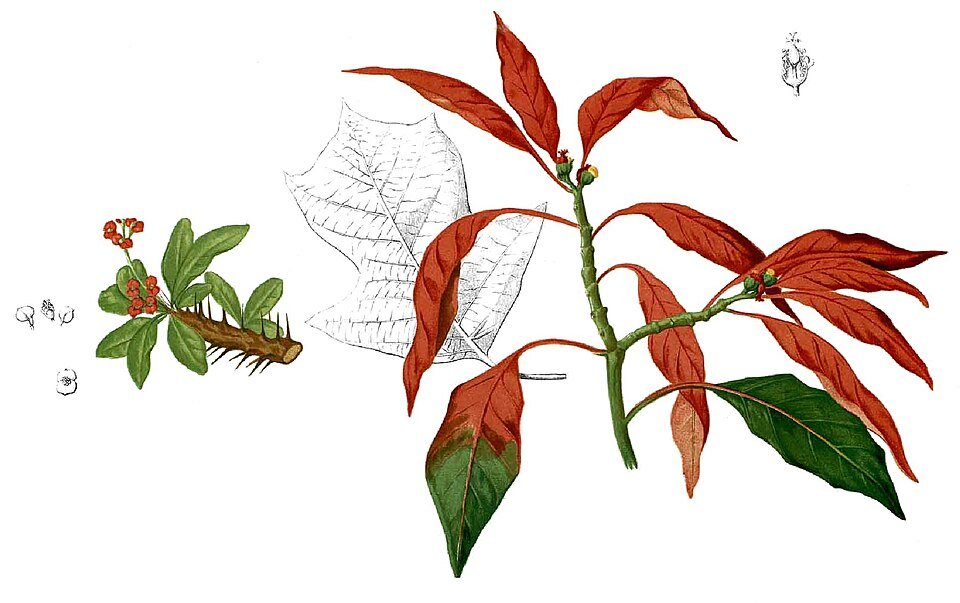
Poinsettia一品红Euphorbia pulcherrima

Identification: 怎么认:Common at Christmas; the red "petals" are actually bracts.圣诞常见,红色"花瓣"实为苞片。

Toxic Part / Note: 哪部分有毒/提示:The toxicity of this species has traditionally been overstated. Ingestion usually causes only mild gastrointestinal upset and mouth irritation, with severe outcomes being rare; however, the sap can still irritate skin and eyes.本种的毒性历来被夸大。误食通常只致轻度胃肠不适与口周刺激,罕见严重后果;但乳汁仍可致皮肤与眼刺激。

Succulent Euphorbias麒麟掌等多肉大戟属

Identification: 怎么认:Various species, fleshy with ridges.多种,肉质具棱。

Toxic Part / Note: 哪部分有毒/提示:Shares the same sap-related risk as other members of this group.乳汁通性相同。

Management: do not rub your eyes after contact — this is the most common way secondary injury occurs; if sap gets into the eyes, flush continuously with plenty of water and seek medical attention; the flushing needs to last much longer than a quick rinse.处置:接触后勿揉眼——这是最常见的二次伤害途径;入眼者以大量清水持续冲洗并就医,冲洗的时间比"洗一下"要长得多。

6. Stinging Hairs & Contact Allergens六、刺毛与接触致敏类

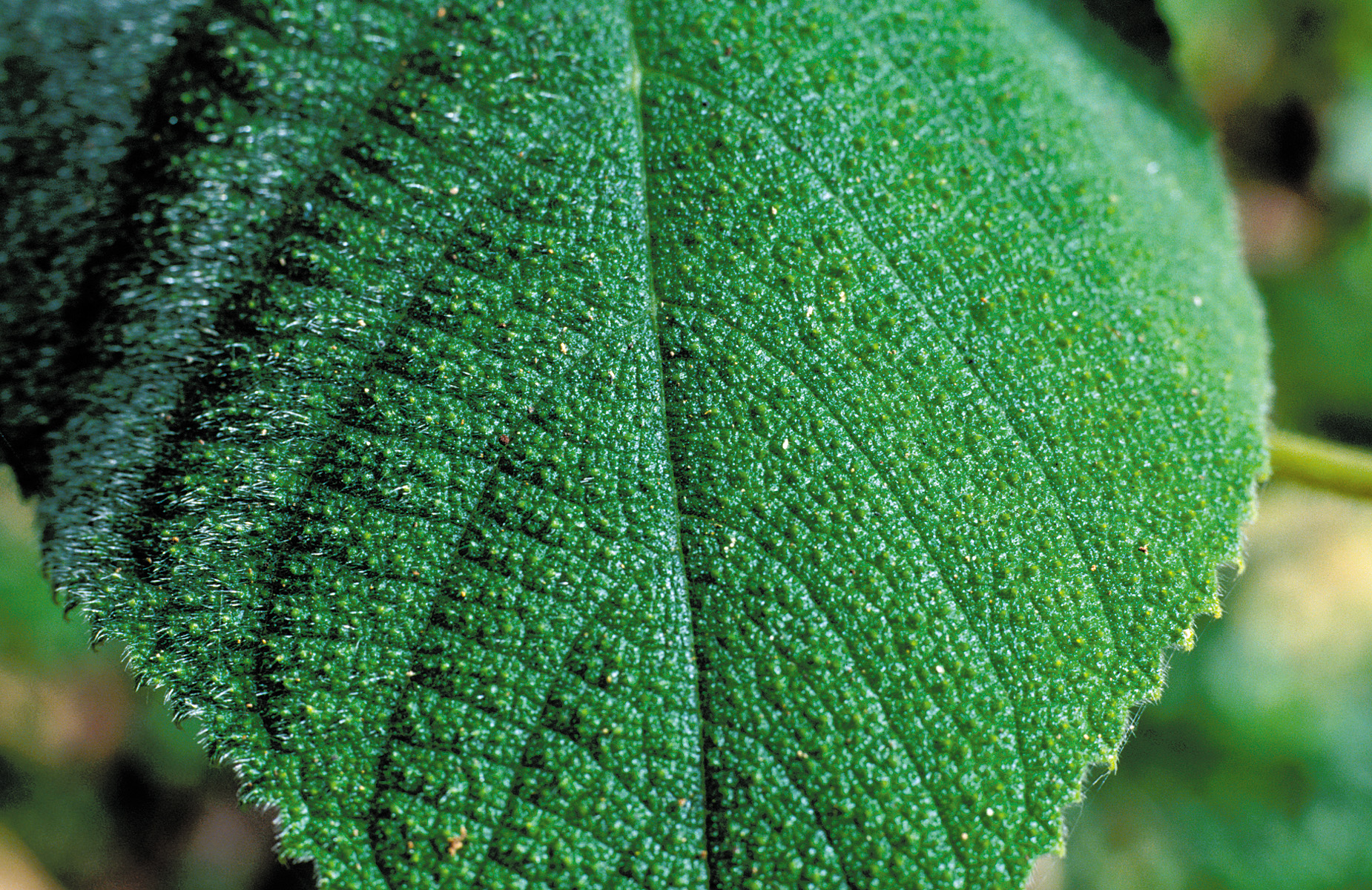
火麻树 Dendrocnide moroides

图:Willem van Aken / CSIRO,CC BY 3.0

Stinging Tree / Gympie Gympie火麻树(澳洲蜇人树)Dendrocnide spp.

Identification: 怎么认:Large heart-shaped, toothed leaves covered densely in fine hairs on the leaf surface and stalk; found in rainforest and along forest edges.叶大而心形、边缘具齿,叶面与叶柄密生细毛;雨林与林缘。

Toxic Part / Note: 哪部分有毒/提示:Australia's most notorious stinging plant. The hairs contain a neurotoxic peptide; the sting causes intense pain that can last from days to weeks, and can flare up again with contact with water or touch. Management: do not rub the area or rinse with water (this drives the hairs in deeper); the standard approach is to remove surface hairs with hair-removal wax strips or adhesive tape, then seek medical attention.澳洲最著名的蜇人植物。其毛含神经毒性肽,蜇伤剧痛可持续数日至数周,遇水或触碰会再度发作。处置:不可搓揉、不可用水冲(会使毛断入更深);通行做法是以脱毛蜡带或胶带粘除表面毛,随后就医。

Castor Oil Plant蓖麻Ricinus communis

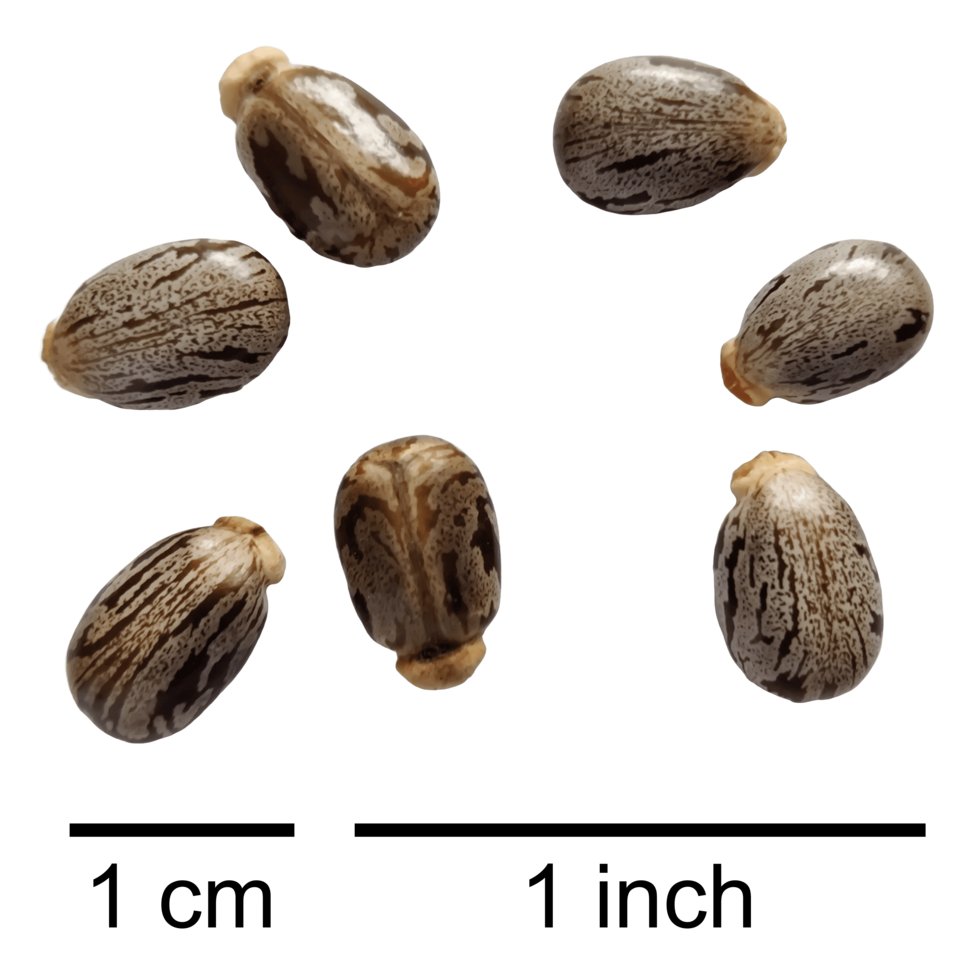
Identification: 怎么认:Tall herb to shrub with large palmate leaves; capsules covered in soft spines; seeds mottled like a tick.高大草本至灌木,掌状大叶,蒴果具软刺,种子有花斑如蜱。

Toxic Part / Note: 哪部分有毒/提示:A widely naturalised roadside weed in Australia. The seeds contain ricin; chewing just a few seeds can be fatal, though swallowing them whole is much less toxic.澳洲广泛归化的路边杂草。种子含蓖麻毒素,嚼碎数粒即可致命;整粒吞下毒性较低。

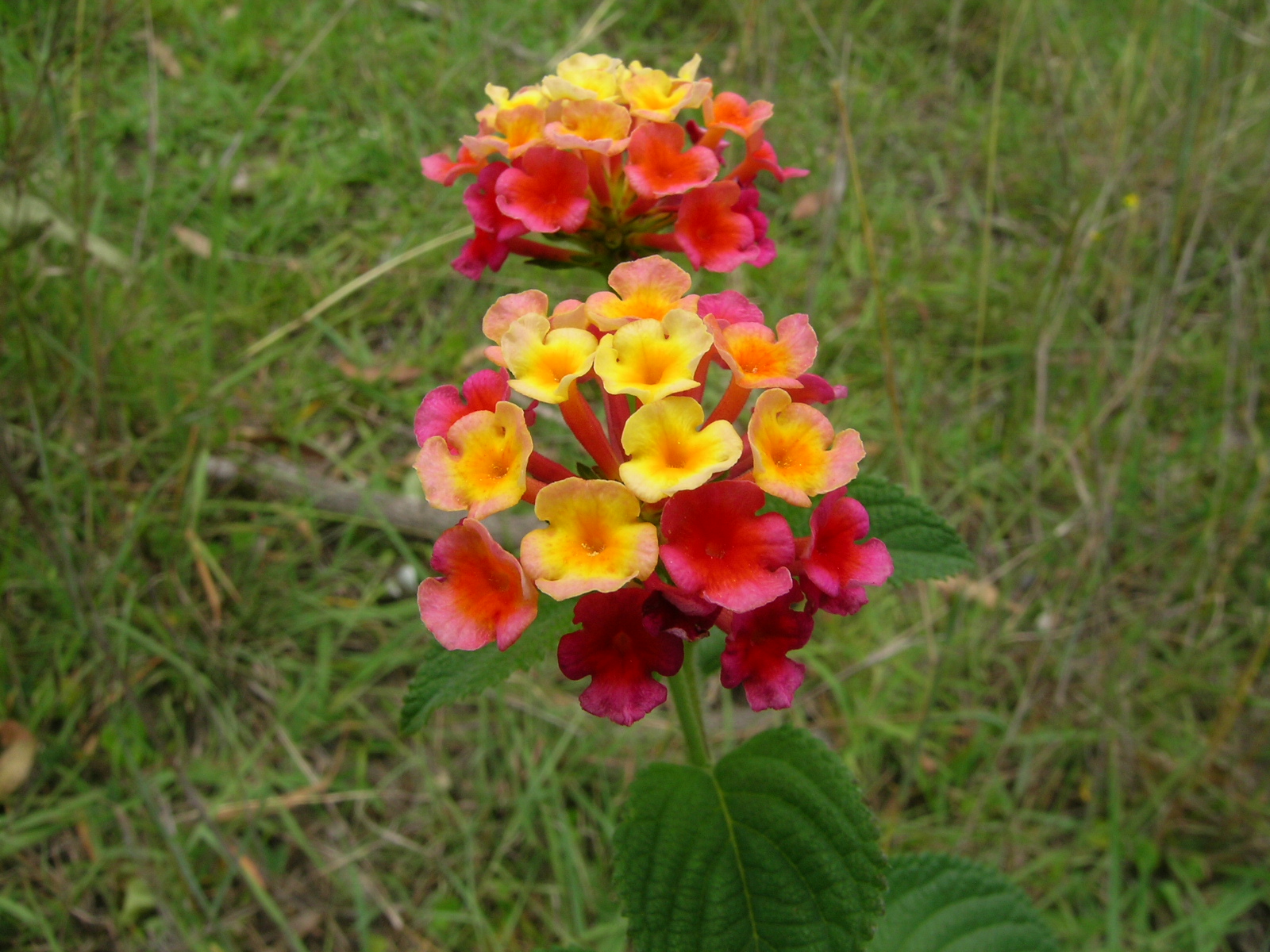
马缨丹 Lantana camara

图:Macleay Grass Man / Flickr,CC BY 2.0

Lantana马缨丹Lantana camara

Identification: 怎么认:Shrub with mixed-colour flower heads (yellow, orange and pink in the same cluster), strong smell when crushed; black berries.灌木,头状花序色彩混杂(黄橙粉红同序),揉之气味强烈;黑色浆果。

Toxic Part / Note: 哪部分有毒/提示:A major invasive weed in Australia. Unripe green berries are toxic to children; livestock that graze on it can suffer liver damage and photosensitisation.澳洲重大入侵杂草。未熟青果对儿童有毒;牲畜采食致肝损伤与光敏。

English Ivy常春藤Hedera helix

Identification: 怎么认:Climbing plant with palmately lobed leaves.攀援,叶掌状裂。

Toxic Part / Note: 哪部分有毒/提示:The sap can cause contact dermatitis; ingesting the berries causes gastrointestinal upset.汁液可致接触性皮炎;浆果误食致胃肠不适。

Poison Ivy / Poison Oak毒漆藤类Toxicodendron spp.

Identification: 怎么认:Usually compound leaves with three leaflets. Uncommon in Australia.复叶三小叶为多。澳洲少见。

Toxic Part / Note: 哪部分有毒/提示:Cross-reactive allergen with Grevillea (silky oak).与银桦属交叉致敏。

7. Other Plants Worth Knowing七、其他须知的几种

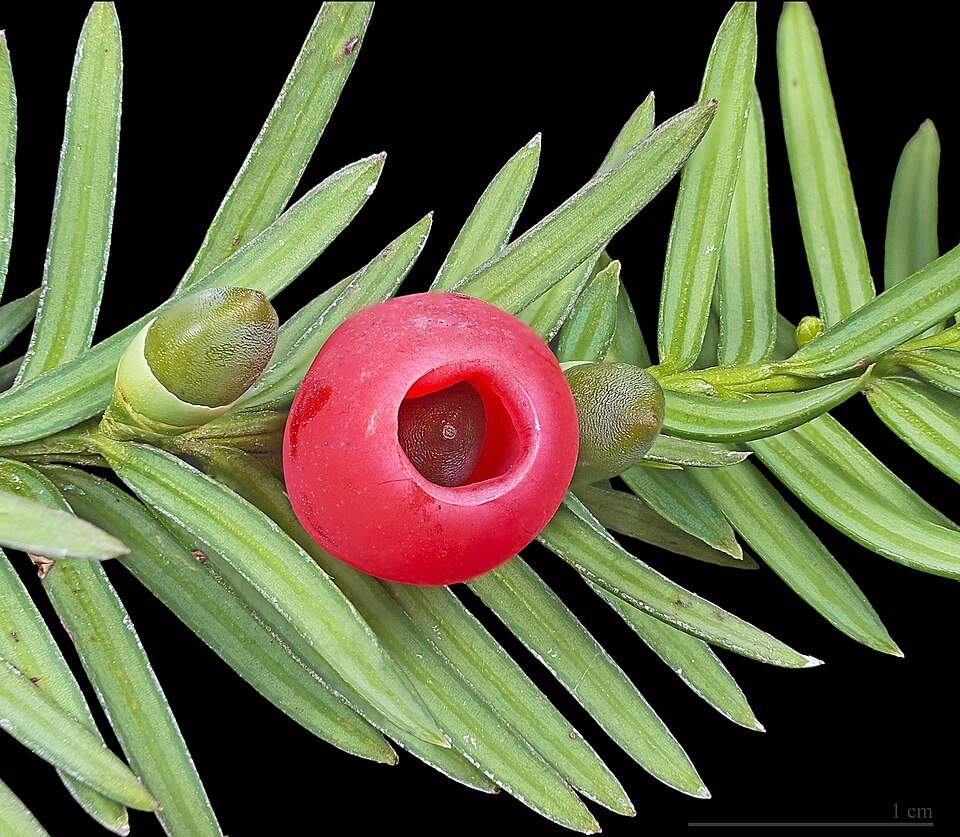
Yew红豆杉Taxus spp.

Identification: 怎么认:The entire plant is toxic (taxine alkaloids), except for the red fleshy aril.除红色假种皮外全株有毒(紫杉碱)。

Toxic Part / Note: 哪部分有毒/提示:The red aril itself is edible, but the seed inside it is toxic — this is a distinction that is very easy to get wrong.假种皮可食而其中的种子有毒——这是一处极易出错的部位分界。

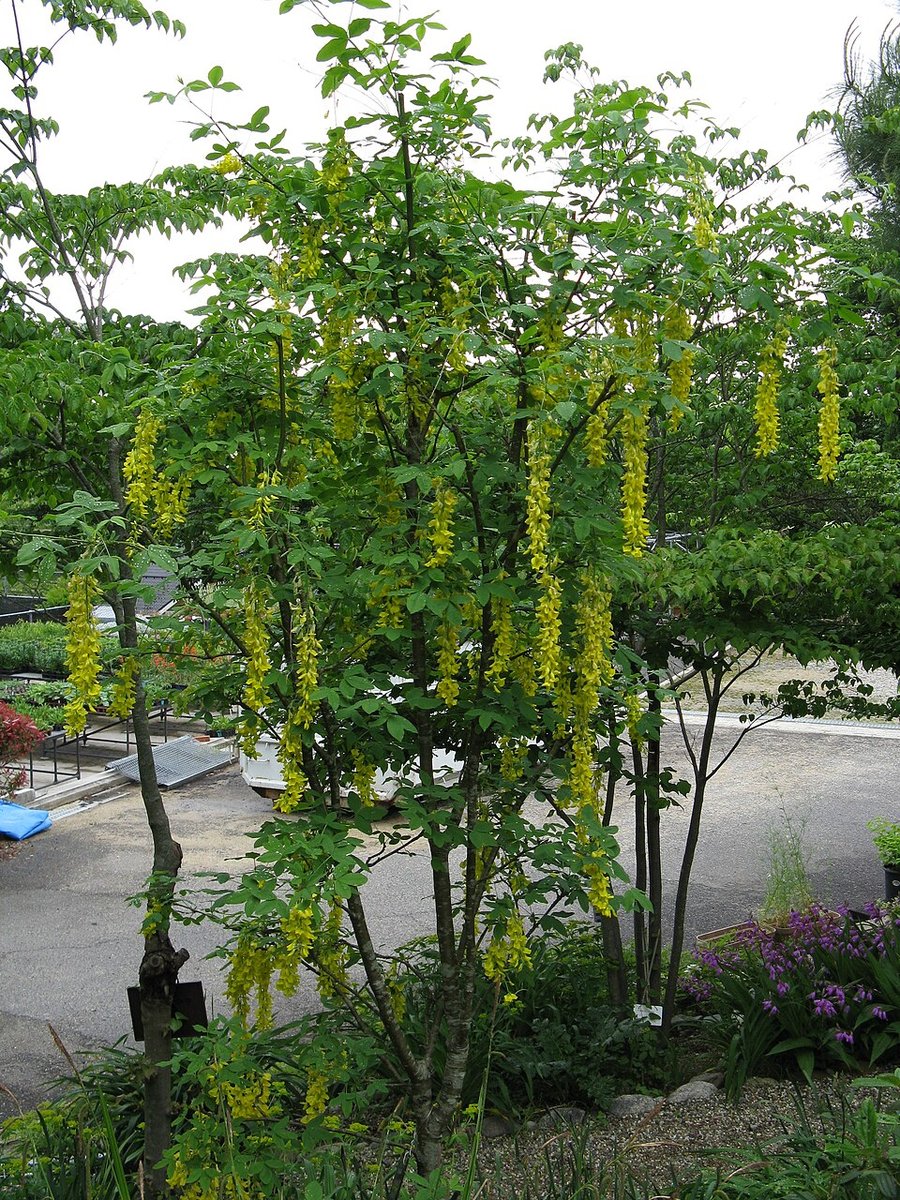
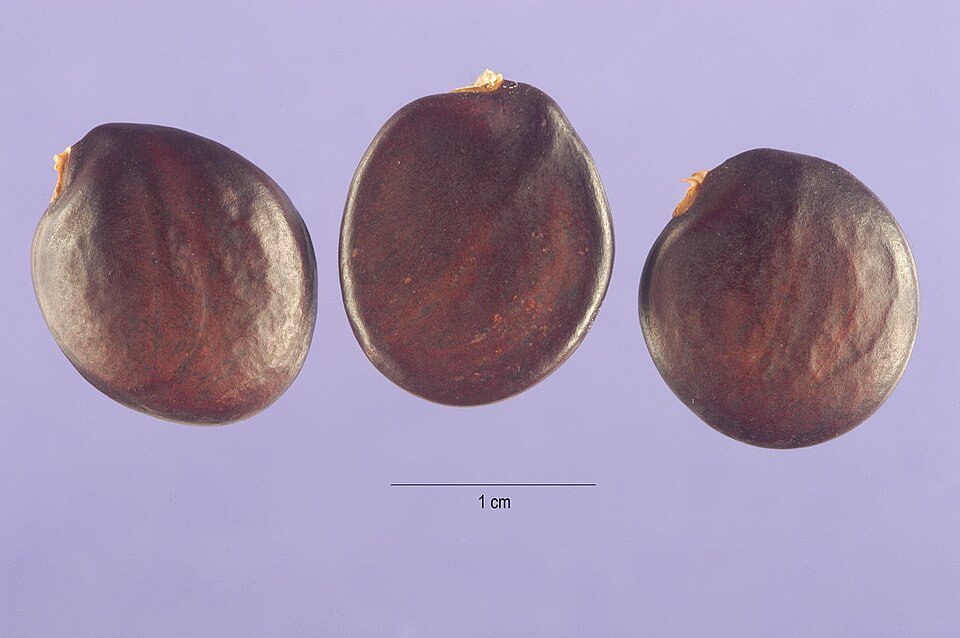
Golden Chain Tree金链花Laburnum

Identification: 怎么认:The whole plant is toxic, especially the seeds (cytisine); the pods resemble pea pods.全株,尤种子(金雀花碱)。荚果形似豆荚。

Toxic Part / Note: 哪部分有毒/提示:High risk of accidental ingestion by children.儿童误食风险高。

Wisteria紫藤Wisteria

Identification: 怎么认:Seeds and pods.种子与荚。

Toxic Part / Note: 哪部分有毒/提示:A common plant grown on trellises and arbours.常见棚架植物。

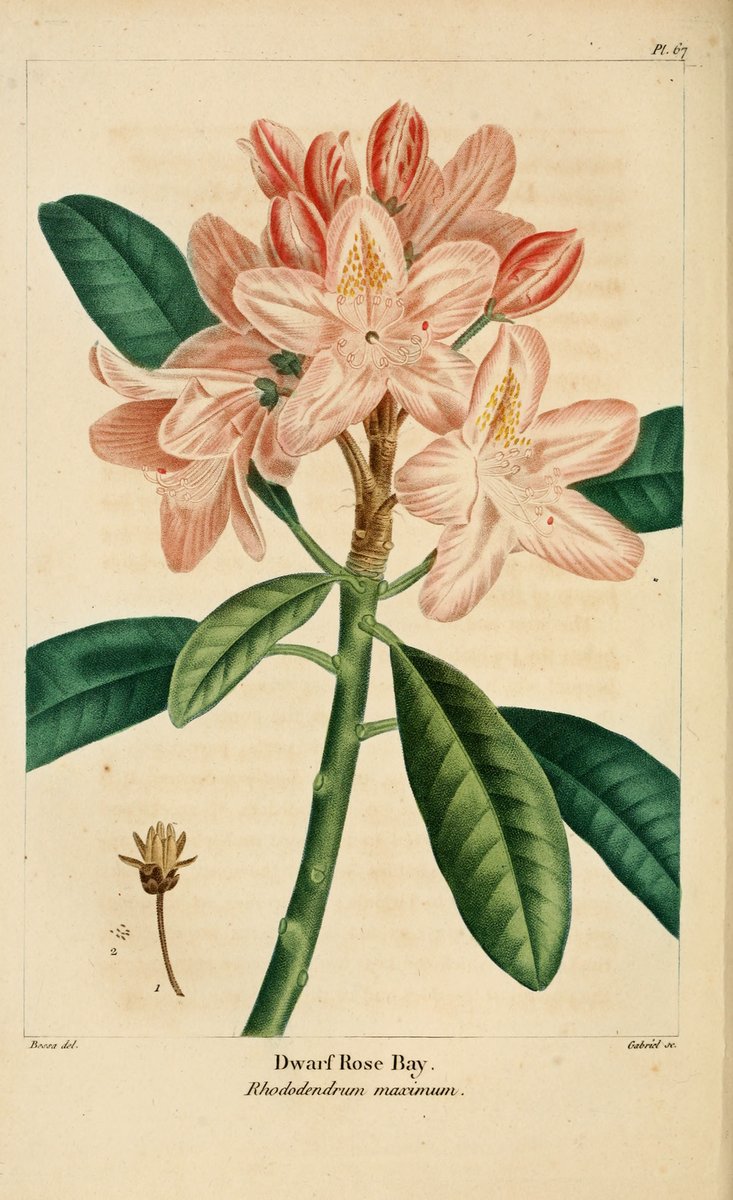
Rhododendron / Azalea杜鹃/映山红类Rhododendron, Azalea

Identification: 怎么认:The whole plant is toxic (grayanotoxins).全株(木藜芦毒素)。

Toxic Part / Note: 哪部分有毒/提示:Its nectar is also toxic, giving rise to the term "mad honey".其花蜜亦含毒,所谓"疯蜜"。

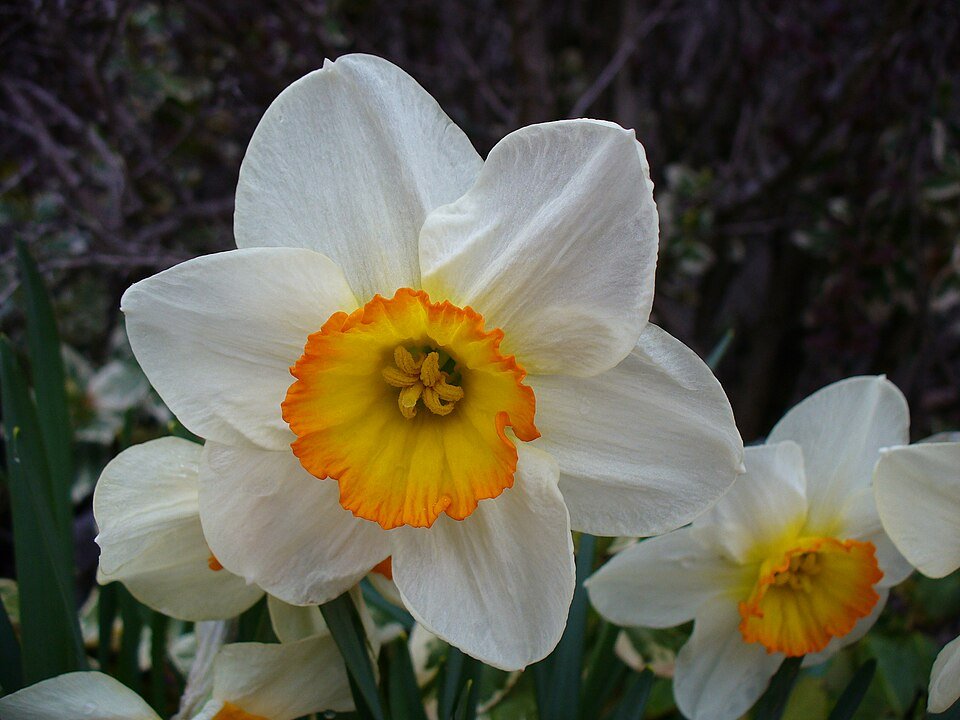
Daffodil水仙属Narcissus

Identification: 怎么认:The bulb (containing lycorine alkaloids).鳞茎(石蒜碱类)。

Toxic Part / Note: 哪部分有毒/提示:The bulb resembles an onion or shallot; mistaking it for food is the most common cause of poisoning.鳞茎形似洋葱或小葱头,误当食材是最常见的中毒情形。

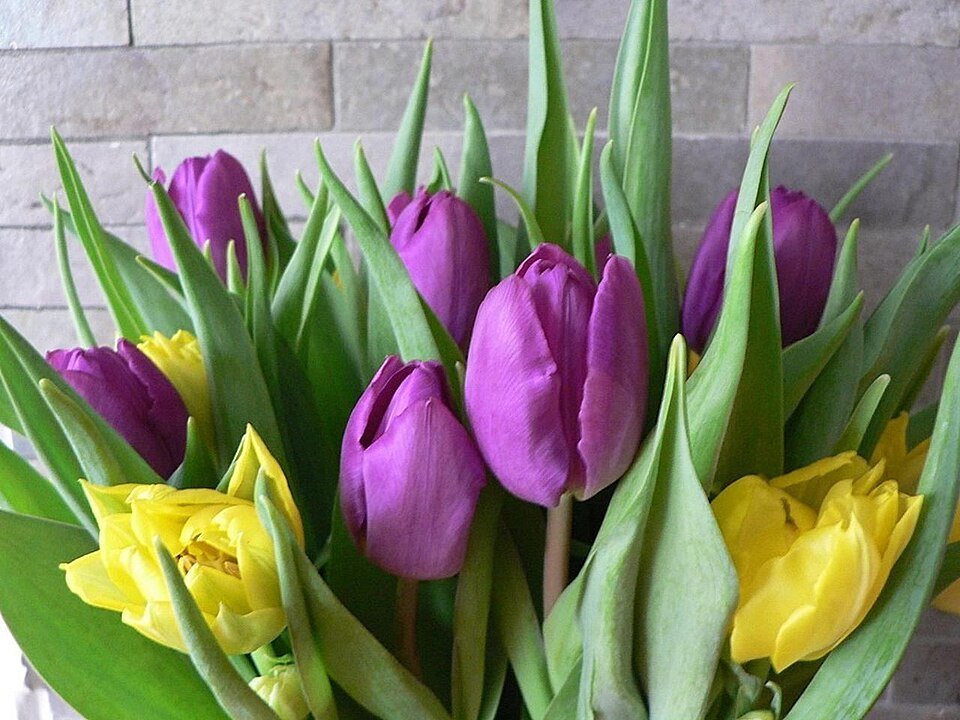
Tulip郁金香属Tulipa (and hyacinth bulbs)

Identification: 怎么认:The bulb.鳞茎。

Toxic Part / Note: 哪部分有毒/提示:Mistaking it for food is a common scenario; it can also cause contact dermatitis.误当食材是常见情形;另可致接触性皮炎。

Black Nightshade龙葵类Solanum nigrum and related species

Identification: 怎么认:Unripe fruit (steroidal glycoalkaloids).未熟果(甾体糖生物碱)。

Toxic Part / Note: 哪部分有毒/提示:Same genus as Kangaroo Apple — the dividing line is likewise ripeness.与袋鼠苹果同属同类——分界同样在成熟度。

Green or Sprouting Potato马铃薯的绿色部分与发芽处

Toxic Part / Note: 哪部分有毒/提示:Solanine. One of the most common sources of household food poisoning; green or sprouting areas should be cut away.龙葵碱。最常见的家庭食物中毒源之一;发绿或发芽处应削去。

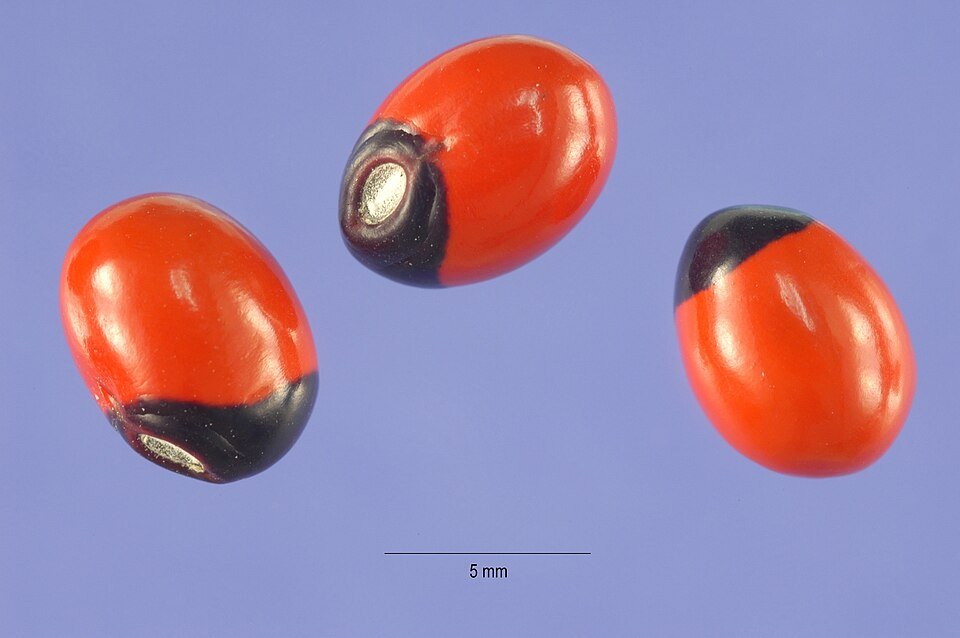
Rosary Pea相思子Abrus precatorius

Identification: 怎么认:The seed (abrin).种子(相思子毒蛋白)。

Toxic Part / Note: 哪部分有毒/提示:Its seeds are commonly used in handicrafts and jewellery — this is the most practical risk for children.其种子常见于手工艺品与首饰——这是最实际的儿童风险。

Six Tips for Families with Young Children给家有幼儿者的六条

The large majority of poisoning incidents on this list occur in children under five years old, and mostly happen at home, in the garden or indoors.本表所列的绝大多数中毒事件,发生在五岁以下儿童身上,且多在自家庭园或室内。

  1. Know your own plants first. Learn to identify at least which plants in your garden and home appear on this list.先认自家的。庭园与室内的植物,至少认得出哪几种在本表里。
  2. Brightly coloured fruits and seeds carry the highest risk — red berries, black berries, mottled seeds, beans inside pods. A child's interest in colour has nothing to do with toxicity.鲜艳的果实与种子风险最高——红果、黑果、有花斑的种子、荚果里的豆子。儿童对颜色的兴趣与毒性无关。
  3. Don't store bulbs with food items. Storing daffodil or hyacinth bulbs alongside onions or garlic has been a genuine cause of real-world poisoning.鳞茎类不要与食材同放。水仙、风信子的鳞茎与洋葱、蒜头放在一处,是真实发生过的中毒起因。
  4. Never burn pruned branches and leaves (such as oleander), and don't leave them within a child's reach.修剪后的枝叶不可焚烧(夹竹桃类),也不要留在儿童可及处。
  5. Never use unfamiliar branches as skewers for cooking food.不要用不认识的枝条串食物烧烤。
  6. Save 13 11 26 in your phone.把 13 11 26 存进手机。

Limitations of This Reference: 本表的限度:This reference has not been verified through the evidence-grading and dual-source cross-checking procedures that ANACMS research reports follow. Its content draws on generally accepted toxicological and clinical toxicology knowledge, treated as public knowledge; individual claims have not been checked against the literature item by item, nor has an evidence grade been assigned.本表未经 ANACMS 研究报告所遵循的证据分级与双源比对程序核验。其内容取自通行的毒理学与临床毒物学认识,属公共知识,未逐条回查文献,亦未标注证据等级。

This reference can be used to "raise awareness" and give "a sense of direction in an emergency"; it must not be used as the basis for diagnosis or treatment. It is also not exhaustive — there are far more toxic plants among Australia's garden and naturalised species than listed here; those included here are the ones combining a high likelihood of contact with a high level of risk.本表可用于"提高警觉"与"遇事有个方向",不可用作诊断或处置的依据。本表亦不求全——澳洲的庭园与归化植物中有毒者远不止于此,表中所列,是接触概率与风险两者皆高的一部分。

In an emergency, always follow the advice of your local poisons information centre and emergency responders.遇事以当地毒物信息中心与急救人员的意见为准。

Image Attribution附图署名说明

The 3 images below are Creative Commons Attribution (CC BY) licensed; formal use requires retaining the author credit:下列 3 张图为 Creative Commons Attribution(CC BY),正式使用须保留作者署名: