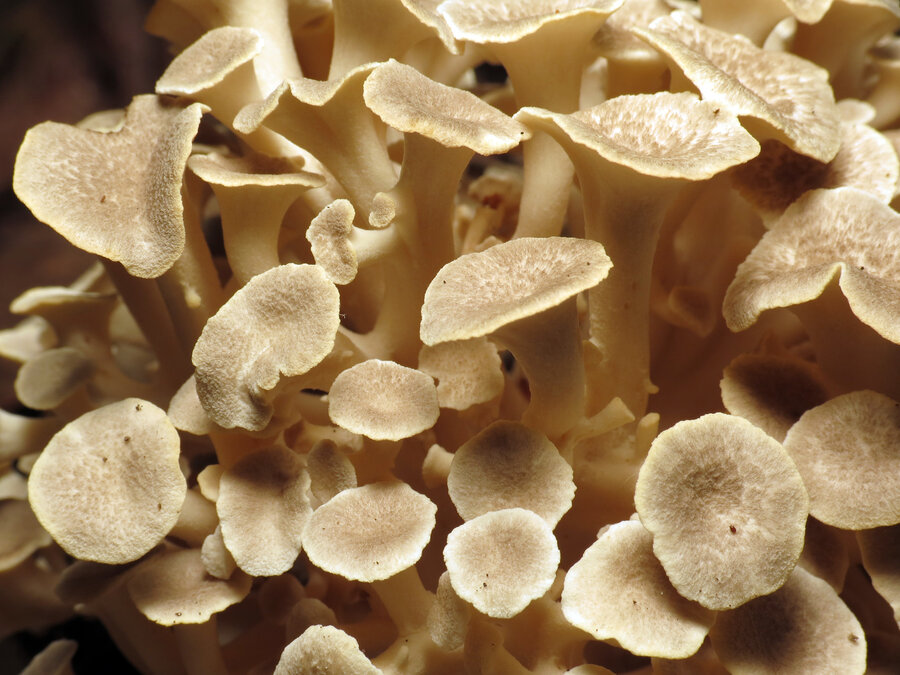
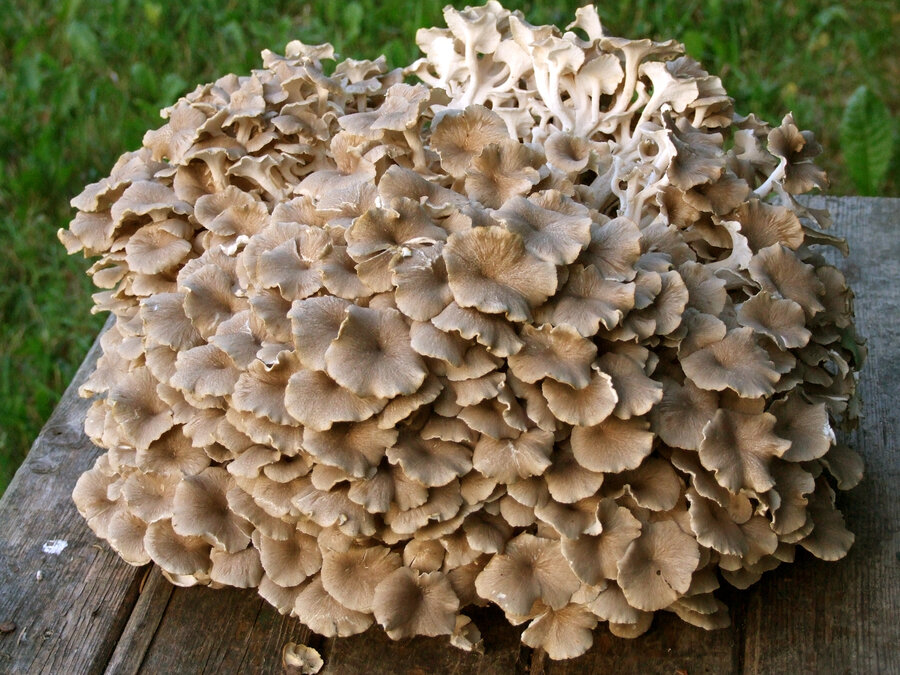
猪苓
Zhūlíng · 别名豕零、地乌桃
Zhuling (Polyporus) · The Pure Diuretic
利水而不兼补 · 渗湿代表药 Diuretic Without Tonifying — The Representative Dampness-Draining Fungus猪苓因其菌核外形黑褐皱缩、状似猪粪块而得名,多寄生于枫树、槲树等树根之下,是一种独特的药用真菌菌核。它与茯苓同属利水渗湿要药,但猪苓利水而不兼补益,作用更为纯粹专一。张仲景猪苓汤、五苓散等经方均以其为要药,用治小便不利、水肿等证,历代医家皆视其为利水渗湿的代表药物。
Zhuling (Polyporus) takes its name from the dark, wrinkled appearance of its underground sclerotium, which resembles a lump of pig droppings; it typically grows parasitically beneath the roots of maple or oak trees. Like fuling (poria), it is classified as a key herb for promoting urination and draining dampness, but unlike fuling it lacks any tonifying quality, making its diuretic action purer and more focused. It served as a principal ingredient in classical formulas such as Zhang Zhongjing's Zhuling Decoction and the Five-Ingredient Powder with Poria.
主产于陕西、云南、河南、四川等地,其中陕西所产猪苓个大质优,历来被视为道地药材的代表。
Zhuling is chiefly harvested in Shaanxi, Yunnan, Henan, and Sichuan. The sclerotia produced in Shaanxi, noted for their large size and superior quality, have traditionally been considered the benchmark of authenticity.
味甘、淡,性平,归肾、膀胱经。
Sweet and bland in flavor, neutral in nature, zhuling enters the Kidney and Bladder channels.
猪苓多切片生用,无需复杂炮制,只需去净泥沙、干燥切片即可入药,以最大限度保留其纯正的利水渗湿药性。
Zhuling is typically sliced and used raw, requiring no complex processing beyond removing sediment and thoroughly drying and slicing — a simplicity that preserves its purely diuretic, dampness-draining properties.
猪苓渗利之性较强,无水湿停滞者不宜多用,久服恐伤津液;孕妇亦应慎用。
本页内容仅作本草文化与历史文献的呈现,不构成用药建议,具体现代安全性数据请查证 AMMKB 药材知识库。
Because of its pronounced diuretic action, zhuling should not be used excessively by those without evident water-damp accumulation, as prolonged use risks depleting body fluids. It should also be used cautiously during pregnancy.
This page presents cultural and historical material only, not medical guidance — for current safety data, see the AMMKB Materia Medica Knowledge Base.