芒硝
Mángxiāo · 别名盐硝、英硝
Mangxiao (Mirabilite) · The Wrinkled Horse-Tooth Crystal
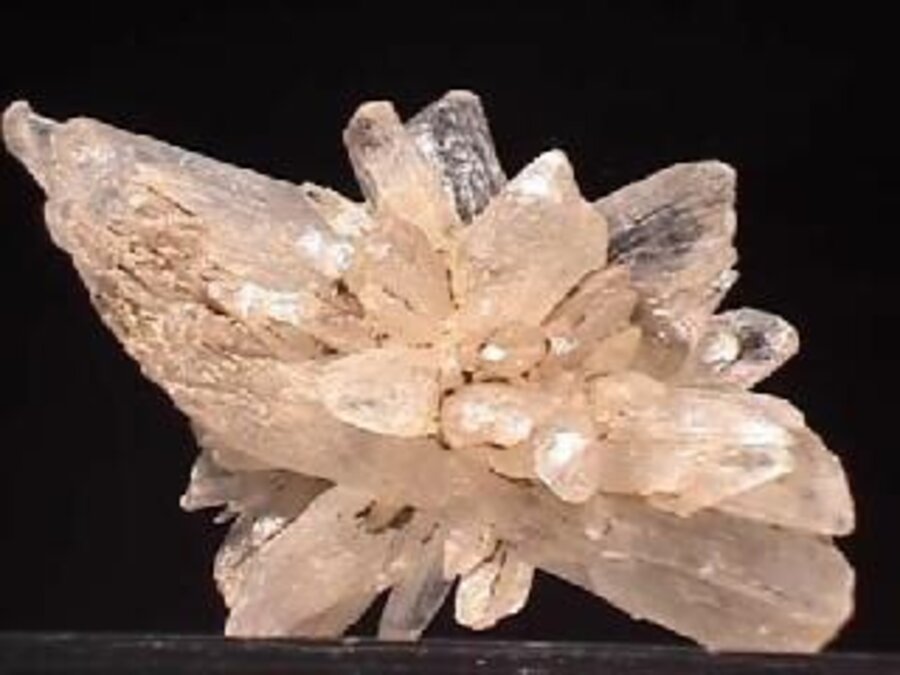
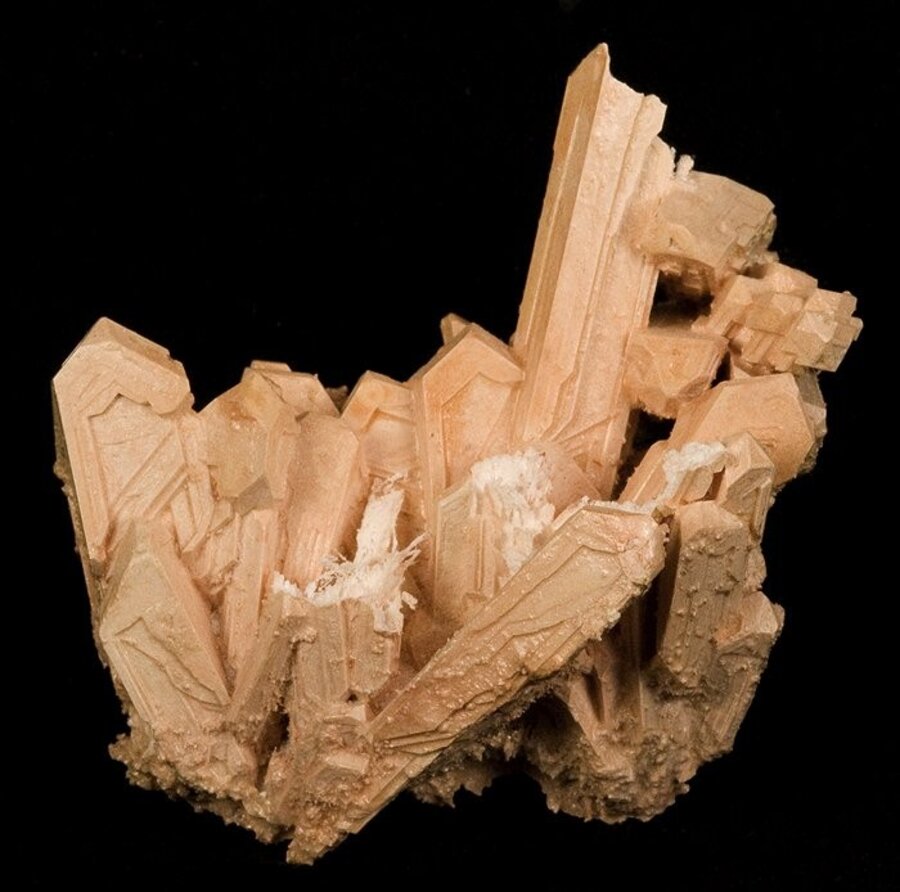
急下存阴 · 大承气汤要药 "Urgent Purgation to Preserve Yin" — Key Herb in the Major Order-the-Qi Decoction芒硝因其结晶形似锋芒而得名,是自然界硫酸钠矿物经加工提炼而成的矿物药,古称‘盐硝’‘英硝’。它常与大黄配伍,组成张仲景大承气汤、调胃承气汤等峻下热结的经典方剂,二者相辅相成,堪称‘急下存阴’治法的代表配伍。李时珍《本草纲目》将其归入‘石部’,并详述‘皱纹马牙硝’的鉴别之法——表面布满细密皱纹、呈马牙状结晶者方为地道佳品。
Mangxiao (mirabilite, sodium sulfate) takes its name from its crystals' resemblance to sharp blades, and is a mineral medicine refined from naturally occurring sodium sulfate deposits, historically also called 'salt-frost' or 'brilliant frost.' It is frequently combined with dahuang in classical formulas such as Zhang Zhongjing's Major Order-the-Qi Decoction and Stomach-Regulating Order-the-Qi Decoction, both designed for the urgent purgation of heat-bind constipation. Li Shizhen classified mangxiao among the mineral medicines in the Compendium of Materia Medica and described how to identify the highest grade, known as 'wrinkled horse-tooth frost.'
主产于河北、河南、山东、江苏等地的盐湖、盐井附近,经天然结晶或人工煎炼而成,其中河北所产芒硝历史上颇受推崇。
Mangxiao is produced mainly near salt lakes and salt wells in Hebei, Henan, Shandong, and Jiangsu, formed through natural crystallization or artificial refining. The mangxiao produced in Hebei has historically been especially esteemed.
味咸、苦,性寒,归胃、大肠、三焦经。
Salty and bitter in flavor, cold in nature, mangxiao enters the Stomach, Large Intestine, and Triple Burner channels.
天然芒硝须经‘制芒硝’工艺——加萝卜共煮、过滤、重结晶,以去除杂质硝石,方得洁净的白色晶体入药;另有玄明粉,是芒硝风化脱水后制成的白色细粉,泻下之力较为缓和。
Natural mangxiao must undergo a purification process — boiled together with radish, filtered, and recrystallized to remove impurities such as niter — before yielding the clean white crystals used medicinally. A related preparation, xuanmingfen, is a fine white powder produced by dehydrating mangxiao through weathering, with a gentler purgative action.
芒硝性寒峻下,孕妇忌用;脾胃虚寒、体质虚弱者应慎用;部分传统文献将其列为与三棱同用的配伍禁忌。
本页内容仅作本草文化与历史文献的呈现,不构成用药建议,具体现代安全性数据请查证 AMMKB 药材知识库。
Because mangxiao is cold and strongly purgative, it is contraindicated during pregnancy. It should be used cautiously by those with a weak, cold spleen and stomach or generally frail constitution, and some traditional texts list it as incompatible for combination with sanleng (Sparganium rhizome).
This page presents cultural and historical material only, not medical guidance — for current safety data, see the AMMKB Materia Medica Knowledge Base.