阿胶
Ējiāo · 别名驢皮胶、傅致胶
Ejiao (Donkey-Hide Gelatin) · Tribute of Dong'e
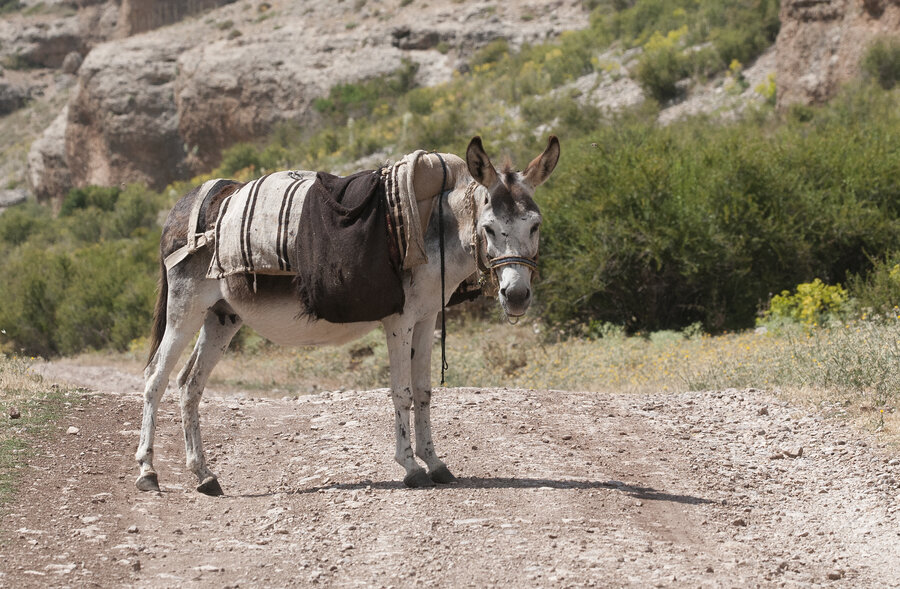
中药三宝之一 · 补血滋阴圣品 One of the "Three Treasures" — The Sacred Blood-Nourishing Remedy阿胶因古时以山东东阿县所产者为道地佳品而得名,取乌驢皮经反复熬制而成,为传统补血滋阴的珍贵药材,历代与人参、鹿茸并称‘中药三宝’。相传正宗东阿阿胶须取用当地特有的‘阿井’之水熬制方能称为‘真阿胶’,历代医家皆以东阿所产为贵,曹植《飞龙篇》中‘阿胶淇水’之句便是其历史地位的写照。
Ejiao takes its name from Dong'e County in Shandong Province, long regarded as the source of its most authentic and finest grade, produced by repeatedly boiling down the hide of the black donkey. It has traditionally been prized as a precious blood-nourishing, yin-tonifying medicine, ranked alongside ginseng and deer antler as one of the 'three treasures of Chinese medicine.' According to tradition, genuine Dong'e ejiao could only be produced using water from the region's distinctive 'A Well,' a status reflected in the poet Cao Zhi's line referencing 'ejiao from the Qi River' in his Flying Dragon Verses.
传统以山东东阿县(今属聊城)所产为道地正宗,取当地特有的阿井水质与乌骨驢皮共同熬制,故称‘东阿阿胶’。
Traditionally, the authentic source of ejiao is Dong'e County (now part of Liaocheng) in Shandong Province, where the region's distinctive well water is combined with the hide of black-boned donkeys — hence the name 'Dong'e Ejiao.'
味甘,性平,归肝、肺、肾经。
Sweet in flavor and neutral in nature, ejiao enters the Liver, Lung, and Kidney channels.
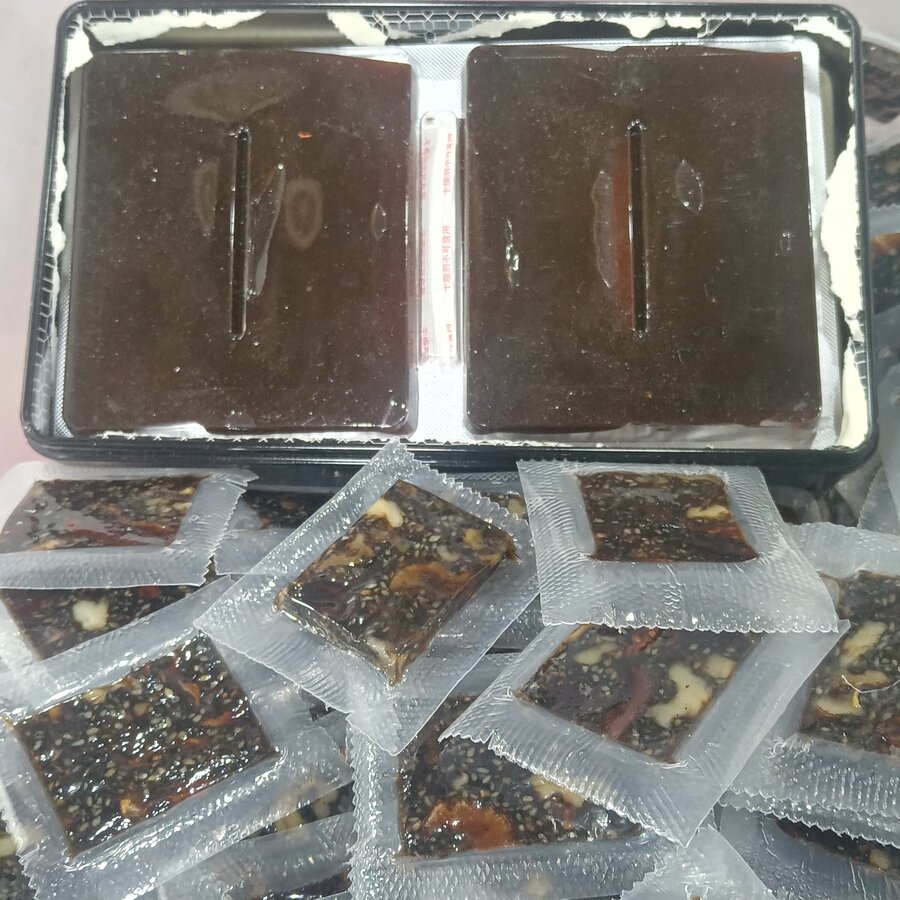
阿胶成品质地坚硬如角块,临用前需捣碎,再以黄酒烊化后兑服;亦常加入蜂蜜、核桃、黑芝麻等辅料制成‘阿胶糕’,以便于日常服食。
Finished ejiao is as hard and glossy as horn and must be crushed before use, then dissolved in warmed yellow rice wine before being taken. It is also commonly combined with honey, walnuts, and black sesame to make 'ejiao cake,' a more palatable form for everyday consumption.
脾胃虚弱、消化不良、湿盛中满者应慎用;感冒发热、痰湿咳嗽者不宜服用,以免助湿生痰。
本页内容仅作本草文化与历史文献的呈现,不构成用药建议,具体现代安全性数据请查证 AMMKB 药材知识库。
Ejiao should be used cautiously by those with weak digestion, poor appetite, or excessive internal dampness and fullness. It is not recommended during fever or phlegm-damp coughs, as it may aggravate dampness and phlegm production.
This page presents cultural and historical material only, not medical guidance — for current safety data, see the AMMKB Materia Medica Knowledge Base.