黄柏
Huángbò · 别名黄檗、檗木
Huangbo (Phellodendron Bark) · One of the "Three Golds"
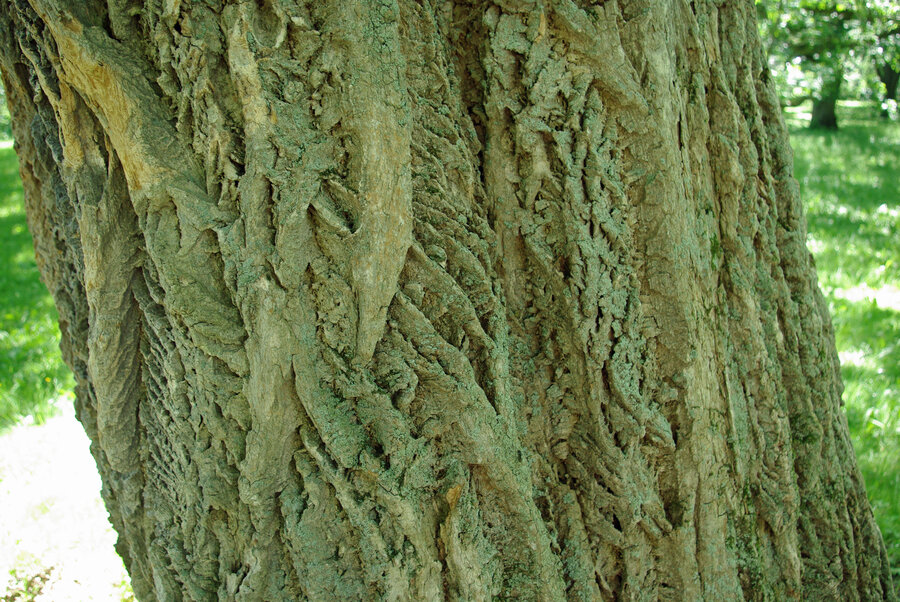
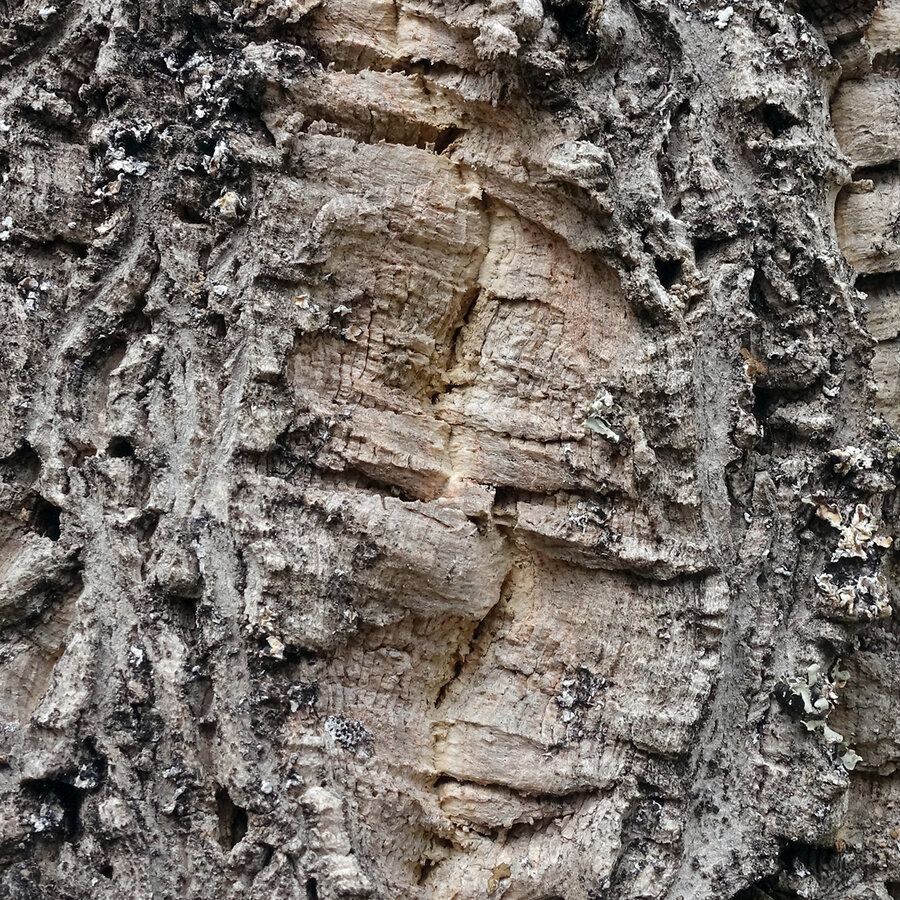
泻膀胱相火 · 退虚热要药 "Draining the Bladder's Fire" — The Key Deficiency-Heat Herb黄柏与黄连、黄芩合称‘三黄’,皆为清热燥湿要药,然黄柏尤擅清泄下焦湿热、退虚热除骨蒸,李时珍称其‘泻膀胱相火,救肾水’。其树皮色黄质坚,古时亦用于染色及防蛀——古人常以黄柏水浸染经卷纸张,防虫蛀且色泽古朴,故有‘黄卷’之称。
Huangbo (phellodendron bark), together with huanglian and huangqin, forms the traditional trio known as 'the three golds,' all prized as key herbs for clearing heat and drying dampness. Huangbo, however, is especially valued for clearing damp-heat from the lower body and relieving deficiency-fever with bone-searing heat; Li Shizhen described its action as draining the fire of the bladder to rescue the kidney water. Its hard, yellow-colored bark was also traditionally used as a dye and insect repellent for scriptures and paper scrolls, from which the term 'yellow scrolls' derives.
主产于四川、贵州、湖北等地(习称‘川黄柏’),东北辽宁、吉林等地亦产(习称‘关黄柏’),二者性味功用略有差异,以川黄柏尤为道地。
Huangbo is produced mainly in Sichuan, Guizhou, and Hubei (known as 'Chuan Huangbo'), as well as in the northeastern provinces of Liaoning and Jilin (known as 'Guan Huangbo'). While the two variants differ slightly in properties, Chuan Huangbo is generally regarded as the more authentic source.
味苦,性寒,归肾、膀胱、大肠经。
Bitter in flavor and cold in nature, huangbo enters the Kidney, Bladder, and Large Intestine channels.
生黄柏长于清热燥湿、泻火解毒;经盐水炙制的盐黄柏能引药下行入肾,显著增强其滋阴清热、退虚热的功效。
Raw huangbo excels at clearing heat, drying dampness, and resolving toxic fire. Salt-processed huangbo, prepared by stir-frying with brine, directs its action downward into the kidneys, markedly enhancing its ability to nourish yin and relieve deficiency-fever.
脾胃虚寒者应忌用;其性苦寒,易伤脾胃,不宜久服。
本页内容仅作本草文化与历史文献的呈现,不构成用药建议,具体现代安全性数据请查证 AMMKB 药材知识库。
Huangbo should be avoided by those with a weak, cold spleen and stomach. Being bitter and cold, it can easily damage digestive function, so it is not suited for prolonged use.
This page presents cultural and historical material only, not medical guidance — for current safety data, see the AMMKB Materia Medica Knowledge Base.