厚朴
Hòupò · 别名重皮、烈朴
Houpo (Magnolia Bark) · Warming the Middle, Descending Qi
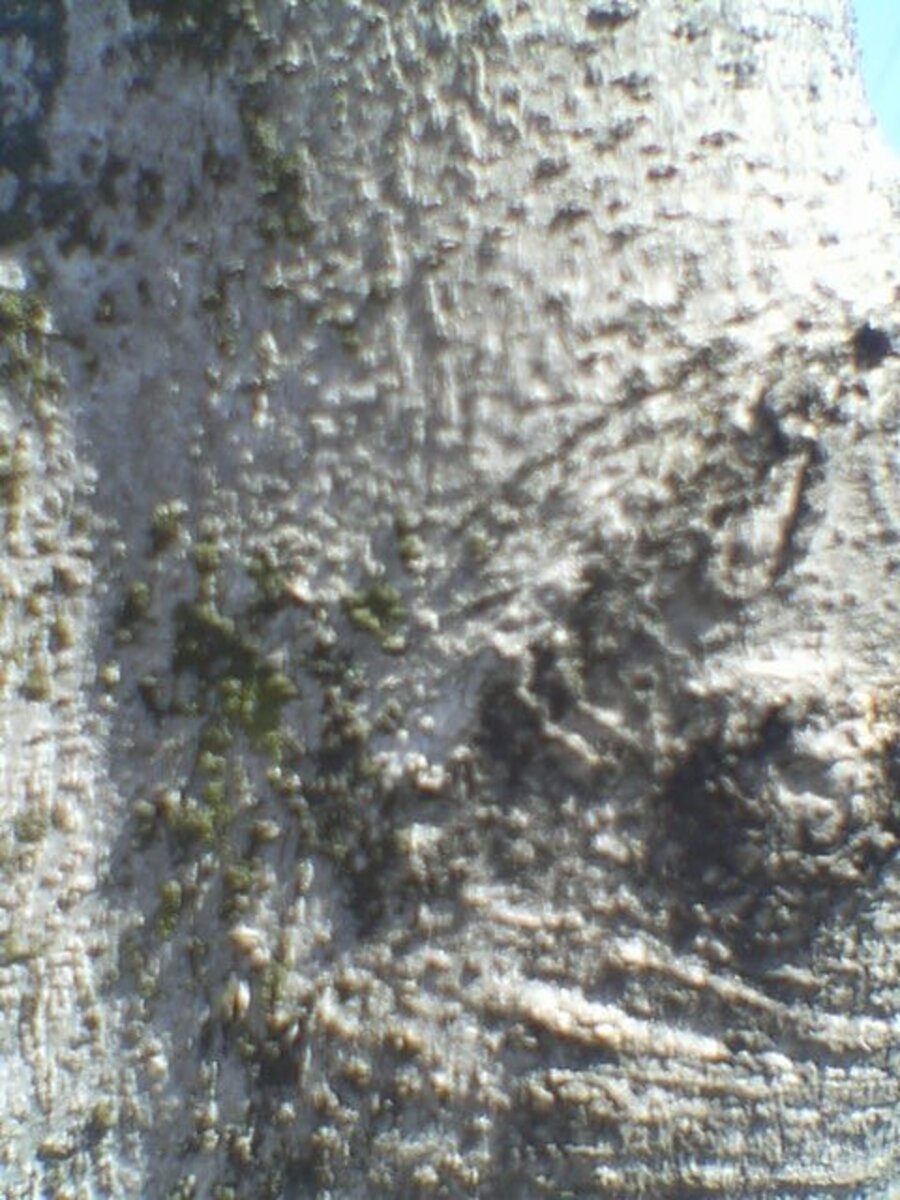
行气消胀 · 化湿要药 Moving Qi, Relieving Distension — The Key Dampness-Transforming Herb厚朴因树皮厚实质朴而得名,是芳香化湿、行气消胀的重要药材,张仲景厚朴三物汤及《太平惠民和剂局方》中的平胃散均以其为主药。厚朴不仅树皮入药,其花蕾(厚朴花)亦可入药,今人研究还发现其提取物具有一定的安神助眠作用,与传统医籍所述‘温中下气、除胀满’之说彷佛相合。
Houpo (magnolia bark) takes its name from its thick, unadorned bark, and serves as a key aromatic herb for transforming dampness and moving qi to relieve distension. It featured as the principal ingredient in Zhang Zhongjing's Houpo Sanwu Decoction as well as in the Stomach-Calming Powder from the Song-dynasty imperial formulary. Modern research has found that its extracts possess a degree of calming, sleep-aiding activity — an intriguing echo of the classical description of its power to warm the middle, descend qi, and relieve fullness and distension.
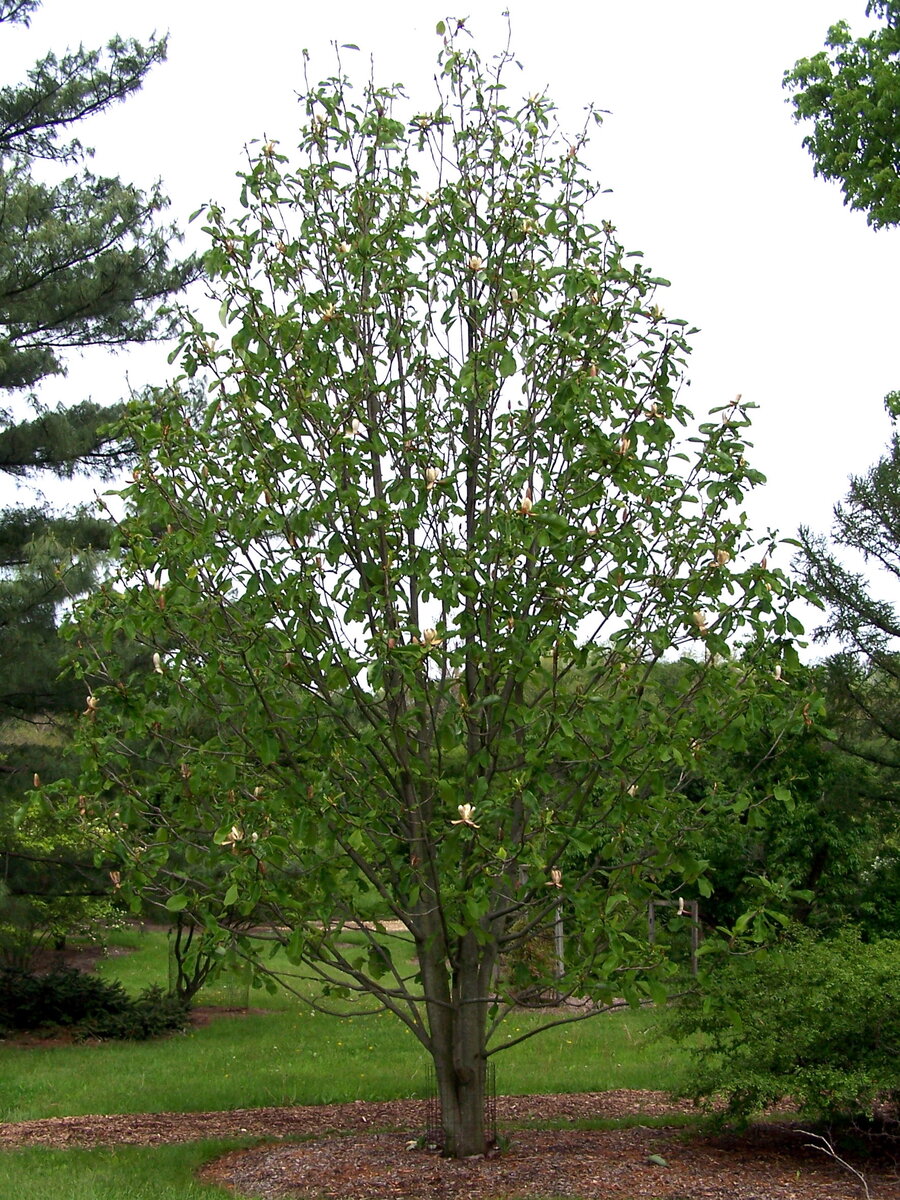
主产于四川、湖北、浙江等地,其中四川所产‘川厚朴’、浙江所产‘温朴’均为公认的道地药材代表。
Houpo is cultivated mainly in Sichuan, Hubei, and Zhejiang. The bark from Sichuan, known as 'Chuan Houpo,' and from Zhejiang's Wenzhou region, known as 'Wen Pu,' are both widely recognized as authentic, top-quality sources.
味苦、辛,性温,归脾、胃、肺、大肠经。
Bitter and pungent in flavor, warm in nature, houpo enters the Spleen, Stomach, Lung, and Large Intestine channels.
生厚朴辛燥之性较为峻烈;经姜汁炙制的姜厚朴可缓和其燥性,同时增强行气消胀、和胃止呕的功效,为临床常用炮制品。
Raw houpo has a fairly strong, drying pungent quality. Ginger-processed houpo, prepared by stir-frying with ginger juice, moderates this dryness while enhancing its ability to move qi, relieve distension, and harmonize the stomach to stop vomiting.
气虚津伤及孕妇应慎用;因其性辛温香燥,久服恐耗伤津液与正气,不宜长期服用。
本页内容仅作本草文化与历史文献的呈现,不构成用药建议,具体现代安全性数据请查证 AMMKB 药材知识库。
Houpo should be used with caution by those with qi deficiency and fluid depletion, and during pregnancy. Because of its pungent, warm, and drying nature, prolonged use risks depleting body fluids and healthy qi.
This page presents cultural and historical material only, not medical guidance — for current safety data, see the AMMKB Materia Medica Knowledge Base.