赭石
代赭石 / 血师
Hematite (Red Ochre)
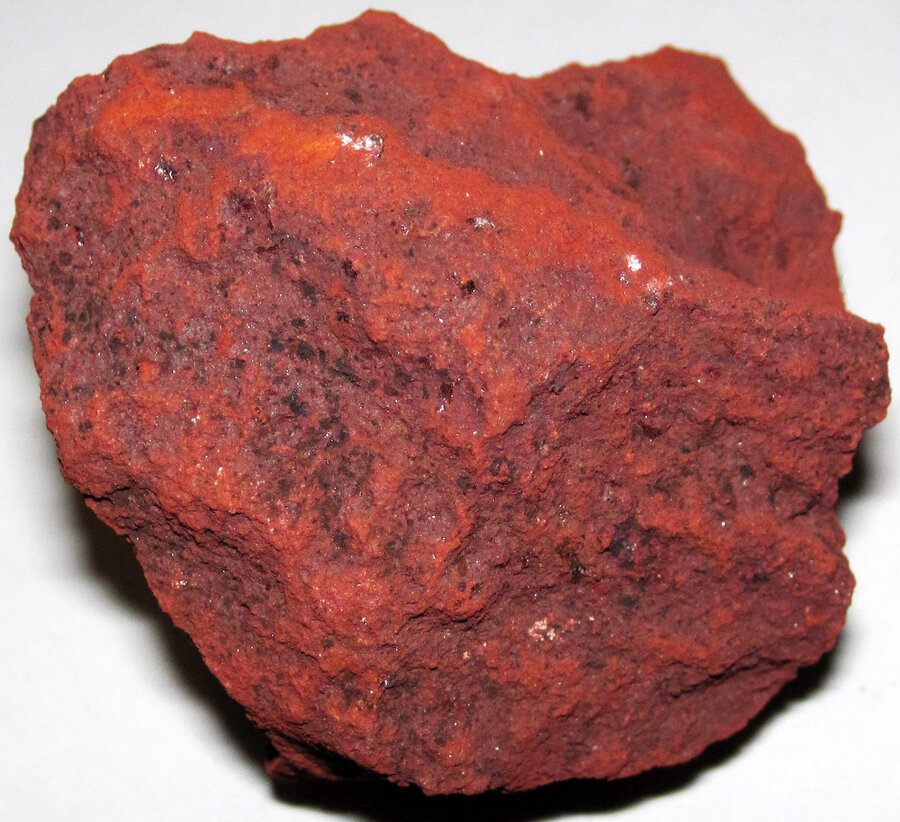
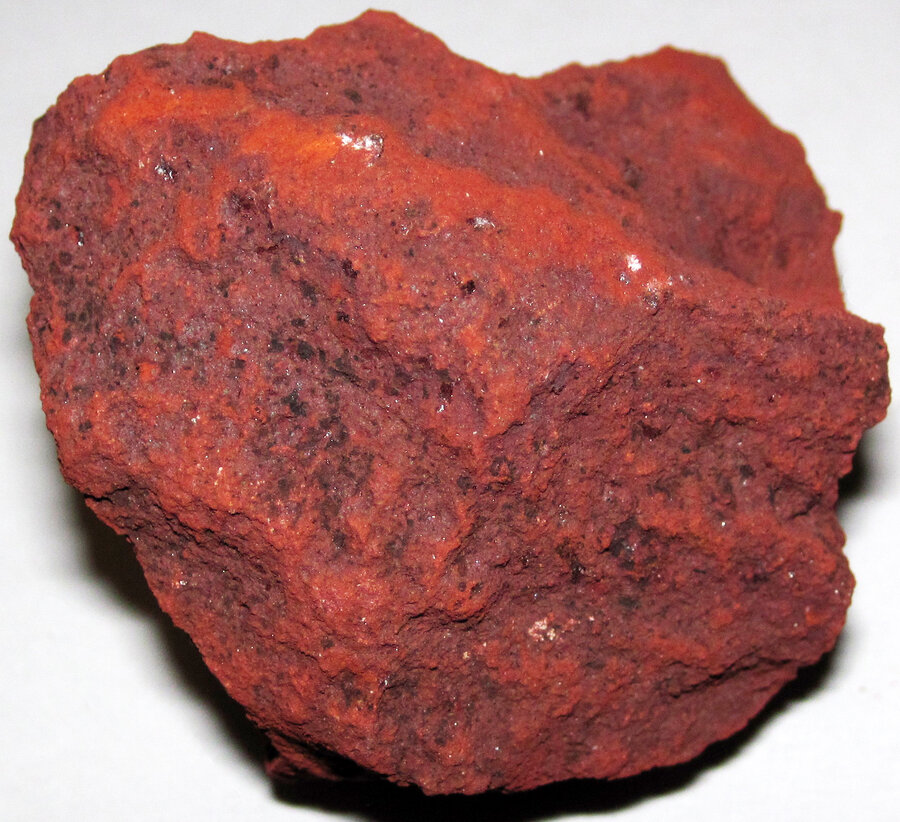
平肝镇逆 · 凉血止血 Calming the Liver and Suppressing Counterflow · Cooling the Blood and Stopping Bleeding赭石因色泽赭红、质地沉重而得名,'赭'字本义即指赤褐色,古时因山西代州(今代县)所产者品质最佳,故又称'代赭石'。
因研磨后色如凝血,古人又称其'血师',这一名称形象地道出了这味矿石药材色泽深沉、质重下坠的独特气质。
Hematite (zheshi) is named for its reddish-ochre color and heavy texture; the character 'zhe' itself denotes a reddish-brown hue. Because the finest specimens historically came from Daizhou (present-day Dai County) in Shanxi, it is also called 'Dai hematite.'
Because its ground powder resembles congealed blood, the ancients also called it 'blood master' — a name that vividly captures this mineral medicine's deep coloring and heavy, downward-settling quality.
赭石质重沉降,自古便是平肝潜阳的要药,古时医家常以其配伍牛膝、白芍等药,治疗肝阳上亢所致的头晕目眩、耳鸣目胀之症。
赭石亦擅镇逆止呕,经典方剂'旋覆代赭汤'即以其为主药之一,配伍旋覆花,治疗胃气上逆所致的呃逆、噫气、呕吐等症,是流传千年的经典验方。
Heavy and sinking in nature, hematite has long been a key remedy for calming the liver and subduing yang. Physicians of old commonly combined it with achyranthes and white peony to treat dizziness, blurred vision, and tinnitus caused by ascendant liver yang.
Hematite also excels at suppressing counterflow and stopping vomiting. The classic formula 'Xuanfu Daizhe Tang' takes it as one of its principal ingredients, paired with inula flower, to treat hiccups, belching, and vomiting caused by counterflow of stomach qi — a classic formula passed down for a thousand years.
赭石性寒质重,兼有凉血止血之效,古时医家常用其治疗血热妄行所致的呕血、衄血、崩漏等出血之症,取其质重下沉、引血归经之性。
因其质重沉降,古人认为赭石能引上逆之气血下行归位,故在治疗肝气上冲、气逆血溢之症时尤为常用,是金石类药材中'以重镇逆'的典范之作。
Cold in nature and heavy in substance, hematite also cools the blood and stops bleeding. Physicians of old commonly used it to treat hematemesis, epistaxis, and metrorrhagia caused by reckless movement of heat in the blood, drawing on its heavy, sinking quality to guide the blood back into its proper channels.
Because of its heavy, sinking quality, the ancients believed hematite could draw counterflowing qi and blood back downward into their proper place, making it especially favored in treating conditions of ascending liver qi and reckless blood flow — a model example among mineral medicines of 'using weight to suppress counterflow.'
赭石多产于铁矿伴生矿床,采得矿石后需拣选色泽赭红、质地致密、断面呈鱼鳞状光泽者,方为上品,研磨或煅制后方可入药。
老药工鉴别赭石讲究'击之有声、断面层叠如鱼鳞',这一经验性的鉴别标准延续至今,仍是判断赭石品质的重要依据。
Hematite is mostly found in deposits associated with iron ore. Once the ore is mined, only specimens of reddish-ochre color and dense texture, with a fish-scale-like luster on their fractured surface, are considered top grade, and must be ground or calcined before being fit for medicinal use.
Veteran herb dealers judge quality hematite by the standard 'ringing when struck, with a layered, fish-scale-like fractured surface' — an experiential criterion that continues to this day as an important basis for judging hematite quality.
现代化学证实赭石主要成分为三氧化二铁(Fe2O3),即氧化铁矿物赤铁矿,自古以来也被用作天然红色颜料'红土',广泛用于绘画与染色。
在中医临床中,赭石仍常用于治疗眩晕、呕吐、出血等症,其'质重镇逆'的独特药性,历经两千余年的临床验证而不衰,是金石类药材中经久不衰的代表之作。
Modern chemistry has confirmed that hematite's main component is ferric oxide (Fe2O3) — the iron oxide mineral known in English as hematite. It has also long been used as the natural red pigment 'red ochre,' widely applied in painting and dyeing.
In clinical Chinese medicine, hematite is still commonly used to treat dizziness, vomiting, and bleeding conditions. Its distinctive property of 'using weight to suppress counterflow' has been validated through more than two thousand years of clinical practice, making it an enduringly representative mineral medicine.