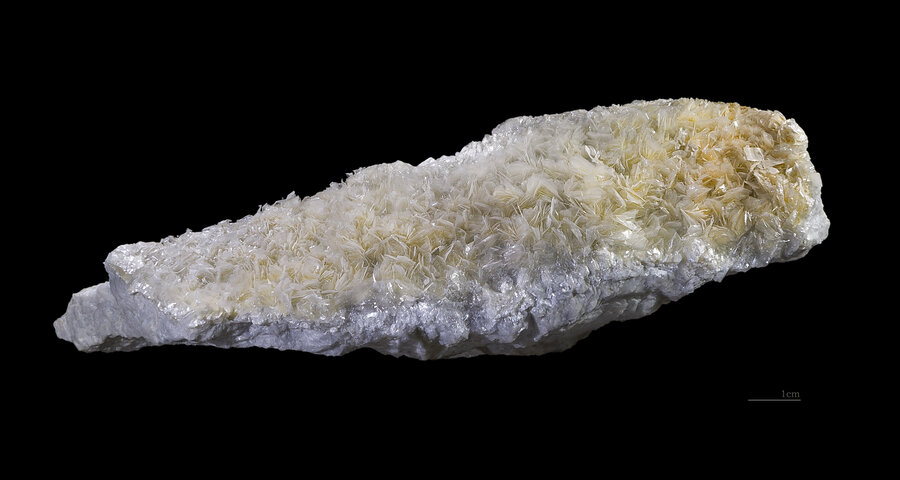
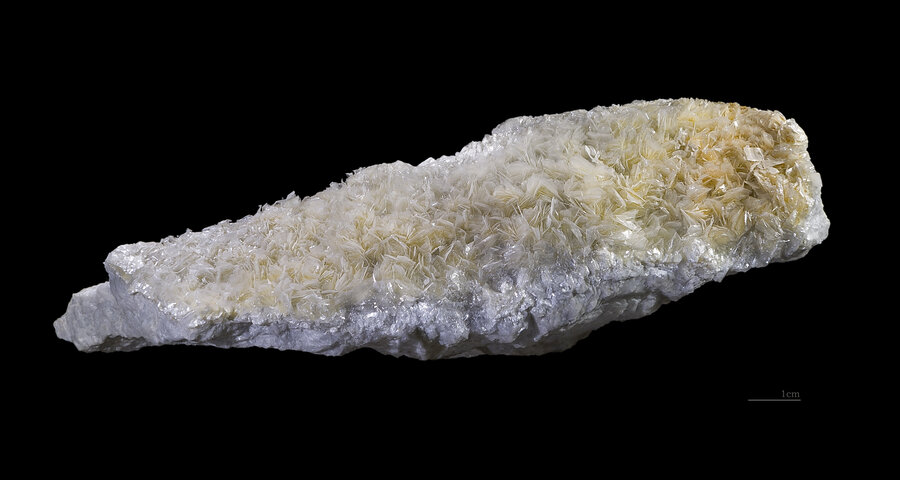
滑石
画石 / 脱石
Talc
利水通淋 · 清热收湿 Draining Water and Unblocking Strangury · Clearing Heat and Absorbing Dampness滑石因其质地极为细腻润滑、触之如脂而得名,是自然界中最软的矿物之一,古人又称其'画石',因其可在纸上留下痕迹,用作天然画具。
因质地滑腍、层理分明,剥落时呈薰片状脱落,故又有'脱石'之称,这一名称形象地描绘出它独特的物理特性。
Talc is named for its extraordinarily fine, smooth, and slippery texture — like touching fat or grease. It is among the softest minerals found in nature. The ancients also called it 'drawing stone,' since it could leave marks on paper and was used as a natural drawing material.
Because of its slippery texture and distinct layered structure, which flakes off in thin sheets, it is also known as 'shedding stone' — a name that vividly captures its distinctive physical properties.
《神农本草经》将滑石列为上品,称其能'利水道,主治小便不利',古时医家常以滑石配伍甘草、木通等药,用于湿热淋证、小便涩痛之症。
经典方剂'六一散'即以滑石为主药,配伍甘草,专治暑湿之邪引起的小便不利、身热心烦,是流传千年的经典验方。
The Shennong Bencao Jing classifies talc as a superior-grade medicine, stating that it 'drains the waterways and chiefly treats difficulty in urination.' Physicians of old often combined talc with licorice and akebia to treat damp-heat strangury and painful, obstructed urination.
The classic formula 'Liuyi San' takes talc as its principal ingredient, paired with licorice, specifically to treat difficulty urinating and restless heat caused by summer-damp pathogens — a time-honored formula that has been passed down for a thousand years.
滑石性寒质滑,外用能清热收湿,古时郎中常将其研成细粉,撲于皮肤湿疹、汗疹之处,取其吸湿爽身之效。
民间盛夏常将滑石粉撲于婴儿皮肤皱褶处,预防湿疹红痒,这一习俗延续至今,成为传统育儿智慧的一部分。
Cold and slippery in nature, talc clears heat and absorbs dampness when used externally. Folk healers traditionally ground it into fine powder and dusted it onto eczema and heat rashes, valuing its moisture-absorbing, soothing effect on the skin.
In midsummer, folk custom involves dusting talc powder onto the skin folds of infants to prevent eczema and redness — a practice that continues today as part of traditional childcare wisdom.
滑石多产于变质岩地区,采得矿石后需拣选质地洁白、无夹杂者,捣碎研磨成极细粉末,方能入药或外用。
老药工鉴别滑石讲究'细腻如脂、入手成粉',认为质地愈滑、粉感愈细者药力愈纯,这一经验至今仍是判断滑石品质的重要标准。
Talc is mostly found in metamorphic rock regions. Once the ore is mined, only specimens that are pure white and free of impurities are selected, then crushed and ground into an extremely fine powder before being fit for medicinal or external use.
Veteran herb dealers judge quality talc by the standard 'fine as fat, turning to powder at a touch,' believing that the smoother the texture and the finer the powder, the purer its medicinal potency — a criterion that remains an important standard for judging talc quality to this day.
现代化学证实滑石主要成分为含水硅酸镁,质地细腻、化学性质稳定,因此除药用外,也被广泛用于化妆品、造纸、陶瓷等工业领域。
在中医临床中,滑石仍常与其他利水渗湿药配伍,用于湿热下注所致的各类淋证,延续着这味古老矿物药材的实用价值。
Modern chemistry has confirmed that talc's main component is hydrated magnesium silicate, with a fine texture and stable chemical properties. Beyond medicinal use, it is therefore also widely applied in cosmetics, papermaking, and ceramics industries.
In clinical Chinese medicine, talc is still frequently combined with other water-draining, dampness-percolating herbs to treat various strangury syndromes caused by downward-flowing damp-heat, continuing the practical value of this ancient mineral medicine.