白矾
明矾 / 矾石
Alum
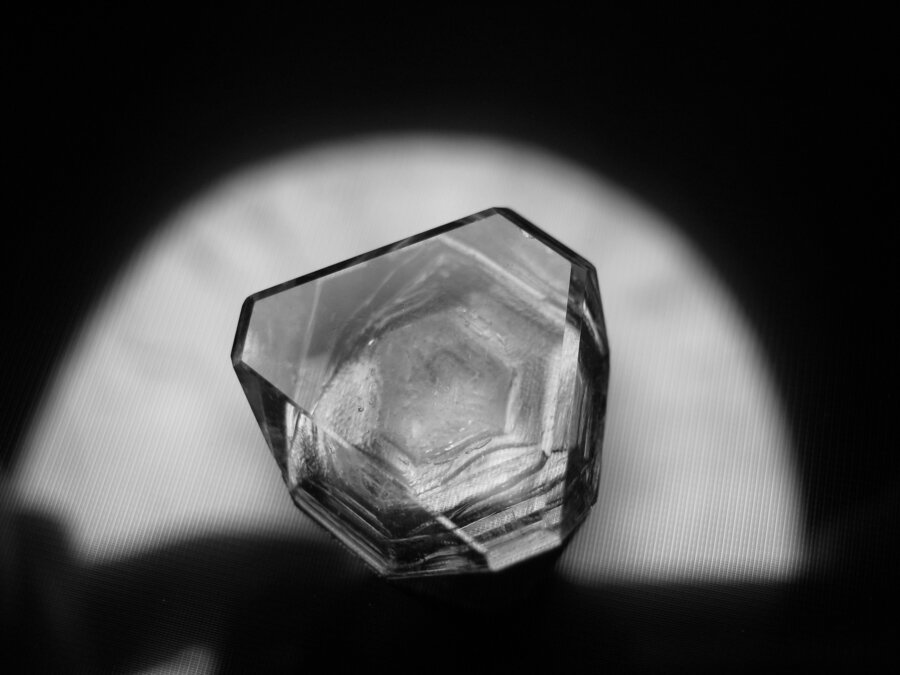
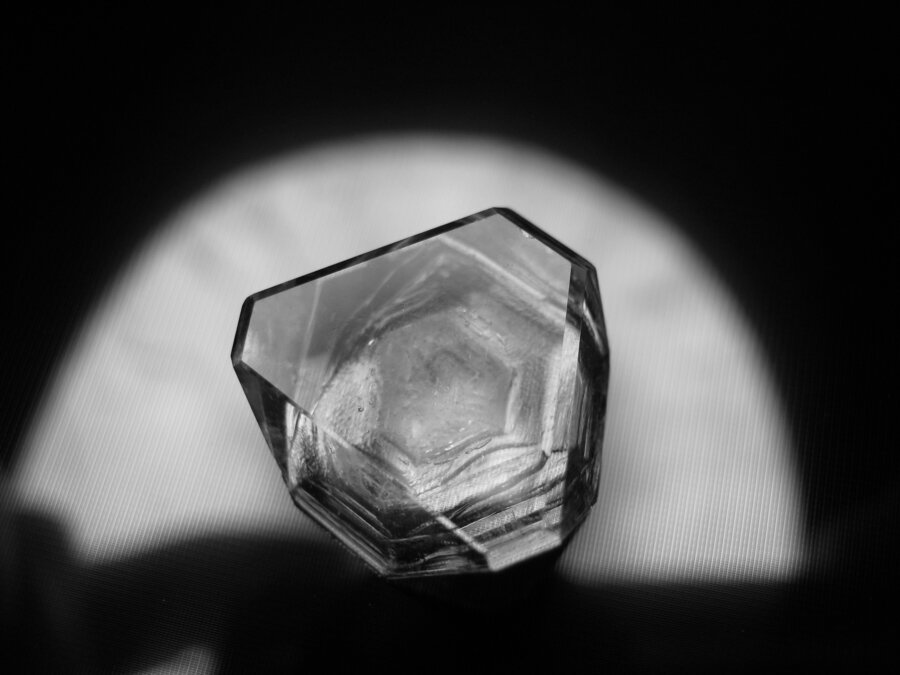
解毒杀虫 · 燥湿止痒 Resolving Toxins and Killing Parasites · Drying Dampness and Relieving Itching白矾因其晶体洁白如霜、莹澈透明而得名,古人又称其'明矾',取其质地明净之意,是自然界中较为常见的含水硫酸盐矿物。
早在秦汉时期,人们便已发现矾石烧炼后色泽转白、质地更纯,故'白矾'一名沿用至今,成为矾石类药材中最为人熟知的一种。
White alum takes its name from its crystal form, which is as white as frost and translucently clear. The ancients also called it 'bright alum,' referring to its lucid, pellucid texture — a fairly common hydrated sulfate mineral found in nature.
As early as the Qin and Han dynasties, people discovered that calcining alum ore turned it whiter and purer in texture — hence the name 'white alum,' which has been used ever since and remains the best-known member of the alum family of minerals.
白矾自古便是外科要药,《本草纲目》称其能'解毒杀虫、燥湿止痒',民间常研末外敷,用于疮疡溃烂、湿疹瘙痒等症。
古时走方郎中随身携带矾石粉,遇跌打损伤、蛇虫咬伤等急症,即刻取用外敷,因其收敛止血之效迅捷,深受乡野百姓信赖。
White alum has long been a key remedy in traditional surgery. The Bencao Gangmu describes it as capable of 'resolving toxins, killing parasites, drying dampness, and relieving itching.' Folk practice often grinds it into powder for external application to festering sores, ulcers, and itchy eczema.
Itinerant folk healers traditionally carried alum powder with them; upon encountering emergencies such as falls, injuries, or snake and insect bites, they would apply it externally at once. Because of its rapid astringent and hemostatic effect, it was deeply trusted among rural people.
矾石味酸涩性寒,能燥湿收敛,古时医家常以白矾水外洗,调理脚汗、脚臭、皮肤湿烂等因湿邪郁结所致的病症。
民间亦有用白矾水漱口治疗口疮、咽喉肿痛的经验,取其收敛消肿之性,是一味用途极为广泛的外治良药。
Sour, astringent, and cold in nature, alum dries dampness and provides astringent action. Physicians of old commonly used alum-water washes to treat sweaty or malodorous feet and damp, macerated skin caused by lingering dampness.
Folk tradition also includes gargling with alum-water to treat mouth ulcers and sore, swollen throats, relying on its astringent, swelling-reducing nature — making it a versatile external remedy with an exceptionally broad range of uses.
生白矾入药前常需煅制,即将矾石置于炭火中烧炼,待其失去结晶水后变为松脆的枯矾,其收敛之力更强,多用于外治创口。
老药工鉴别白矾讲究'洁白无杂、质重坚实',认为色泽纯净、无夹杂矿石者方为上品,这也是千百年来矾石炮制工艺的经验总结。
Before being used medicinally, raw alum is often calcined — placed over charcoal fire until it loses its crystalline water and becomes a brittle, dehydrated form known as 'baked alum,' which has stronger astringent power and is mainly used for external wound treatment.
Veteran herb dealers judge quality white alum by the standard 'pure white without impurities, heavy and solid in texture,' believing that only specimens of pure color, free from mixed-in rock, qualify as top grade — a summation of centuries of experience in alum processing.
现代化学证实白矾主要成分为硫酸铝钾,具有一定的收敛、抗菌作用,这与古人'解毒燥湿'的经验记载相互印证。
如今白矾仍被用于部分传统外用制剂及净水、防腐等工业用途之中,古老矿物药材与现代生活的交集,正是这味药材历久弥新的生动写照。
Modern chemistry has confirmed that the main component of white alum is potassium aluminum sulfate, which possesses certain astringent and antibacterial properties — findings that corroborate the ancient record of its 'toxin-resolving, dampness-drying' effects.
Today, white alum is still used in certain traditional external preparations as well as in industrial applications such as water purification and preservation. The intersection of this ancient mineral medicine with modern life is a vivid illustration of its enduring relevance.