银耳
Yín'ěr · 别名白木耳、雪耳
Yin'er · Snow Fungus (Tremella)
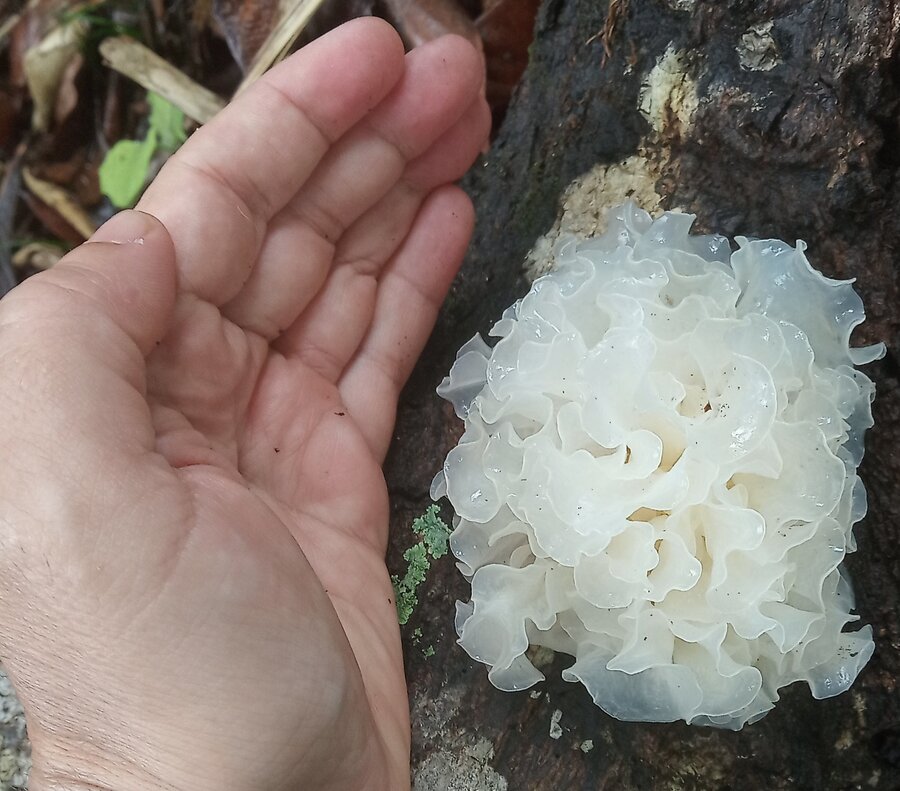
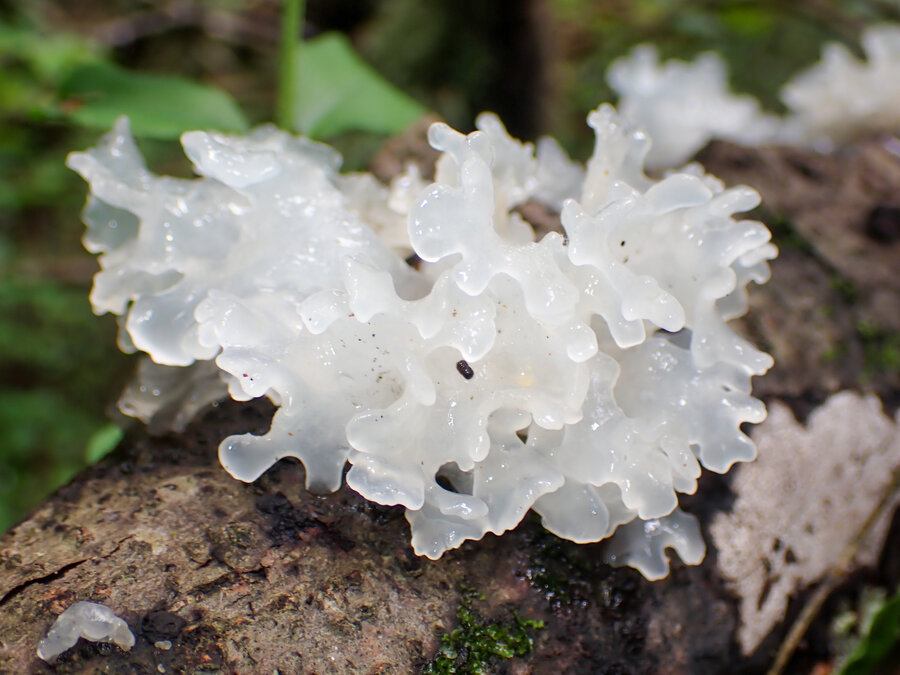
滋阴润肺 · 养颜益寿 Nourishes Yin & Moistens Lungs · Beautifies & Prolongs Life银耳因质地洁白如银、形似云朵而得名,古称「白木耳」「雪耳」,因野生资源稀少、采集不易,历来被视为珍贵滋补品,与燕窝、鱼翅并列为传统「养颜三宝」。清代宫廷医案中多有以银耳炖煮进补的记载,慈禧太后亦常以银耳羹作为日常保养之品。20世纪中叶以后,四川通江等地成功实现银耳人工栽培,使这一昔日珍品逐渐走入寻常百姓家。
Snow fungus is named for its silver-white, cloud-like appearance, historically called "white wood ear" or "snow ear." Due to its scarcity in the wild and difficulty of collection, it was long regarded as a precious tonic, ranked alongside bird's nest and shark fin among the traditional "three treasures of beauty." Qing dynasty court medical records frequently mention snow fungus soups prepared as tonics, and Empress Dowager Cixi reportedly used snow fungus congee as part of her daily regimen. Since the mid-20th century, successful artificial cultivation in places like Tongjiang, Sichuan has brought this once-rare delicacy into ordinary households.
银耳主产于四川通江、福建古田、贵州等地,以四川通江银耳最为著名,素有「中国银耳之乡」之称。《本草纲目拾遗》载:「银耳性平,味甘,无毒,功同白木耳。」现代栽培以椴木或棉籽壳等农业废弃物为培养基质,接种银耳菌种及香灰菌进行伴生培养,产业化程度已相当成熟。
Snow fungus is primarily produced in Tongjiang (Sichuan), Gutian (Fujian), and Guizhou, with Tongjiang snow fungus being the most renowned, earning the region the title "Hometown of Chinese Snow Fungus." The Supplement to the Compendium of Materia Medica records: "Snow fungus is neutral in nature, sweet in flavor, non-toxic, with effects similar to white wood ear." Modern cultivation uses substrates such as hardwood logs or cottonseed hulls, with snow fungus spawn co-cultivated alongside companion fungus for optimal growth—an industrialized process that has reached considerable maturity.
银耳性味甘,平,归肺、胃、肾经。功能滋阴润肺、养胃生津、益气补虚,主治肺燥干咳、虚劳咳血、津亏口渴、病后体虚等证,是病后调养及体虚人群的常用滋补佳品,性质平和,男女老幼皆可适量食用。
Snow fungus is sweet in flavor, neutral in nature, and enters the Lung, Stomach, and Kidney meridians. It nourishes yin, moistens the lungs, nurtures the stomach, generates fluids, and tonifies qi and deficiency. It is indicated for dry cough from lung dryness, deficiency cough with blood-streaked sputum, thirst from fluid depletion, and post-illness weakness. Being mild and balanced in nature, it is a commonly used tonic for convalescence and general debility, suitable for consumption by people of all ages and genders in moderation.
银耳采收后需及时晒干或低温烘干以防霉变,干制银耳质地紧实、色泽略带米黄。食用或入药前须以清水充分泡发数小时,去除根部杂质后撕成小朵,慢火炖煮至胶质充分释出、汤汁浓稠黏滑,方能发挥其滋阴润燥之效,民间亦常配伍红枣、枸杞、冰糖等同炖为羹。
After harvesting, snow fungus must be promptly sun-dried or low-temperature dried to prevent mold; the dried product has a firm texture with a slightly ivory color. Before culinary or medicinal use, it must be soaked thoroughly in water for several hours, with impurities removed from the base before tearing into small pieces and slow-simmering until the gelatinous substance is fully released and the broth becomes thick and silky—only then does it fully express its yin-nourishing, dryness-moistening effect. It is commonly stewed together with red dates, goji berries, and rock sugar to make a nourishing soup.
银耳性质平和,一般人群皆可食用,但糖尿病患者应注意银耳羹中冰糖等添加糖分的摄入量。变质银耳(尤其存放不当受潮霉变者)可能产生米酵菌酸等毒素,切勿食用发黏、有异味或颜色异常的银耳,购买及储存时应选择干燥通风环境,避免受潮变质。
Snow fungus is mild and balanced, generally suitable for consumption by most people, though diabetics should monitor added sugar content such as rock sugar in snow fungus soups. Spoiled snow fungus—particularly if improperly stored and exposed to moisture leading to mold growth—may produce toxins such as bongkrekic acid; sticky, foul-smelling, or discolored snow fungus should never be consumed. It should be purchased and stored in dry, well-ventilated conditions to prevent spoilage from moisture.