雄黄
Xiónghuáng · 别名黄金石、石黄
Xionghuang (Realgar) · Arsenic Sulfide Mineral
端午雄黄酒 · 驱五毒民俗与现代毒性警示 Duanwu Realgar Wine — Folk Ritual and Modern Toxicity Warning雄黄在中国民俗中最广为人知的形象,莫过于端午节饮"雄黄酒"以驱五毒的习俗——古人认为将雄黄泡入酒中饮用或涂抹身体,可以驱蛇虫、避瘟疫。这一习俗也与经典故事《白蛇传》紧密相连:传说中白娘子在端午节被丈夫劝饮雄黄酒后,被迫显露出原本的蛇形,成为整部故事情节的关键转折。
这一民俗背后交织着古人朴素的"以毒攻毒"哲学与对瘟疫、毒虫的恐惧应对——雄黄本身含砷类成分具有一定杀虫防腐作用,但这类民俗饮用方式在现代毒理学视角下存在明确的健康风险。
Xionghuang's best-known role in Chinese folk custom is in the Duanwu (Dragon Boat) Festival tradition of drinking "realgar wine" to ward off the "five poisons." This custom is closely tied to the classic tale of the White Snake, in which the snake-spirit Bai Suzhen, persuaded by her husband to drink realgar wine, is forced to reveal her true serpentine form.
Behind this custom lies the ancients' philosophy of "using poison to counter poison" alongside a practical response to epidemics — realgar's arsenic content does have insecticidal effect, but drinking it carries clear health risks under modern toxicology.
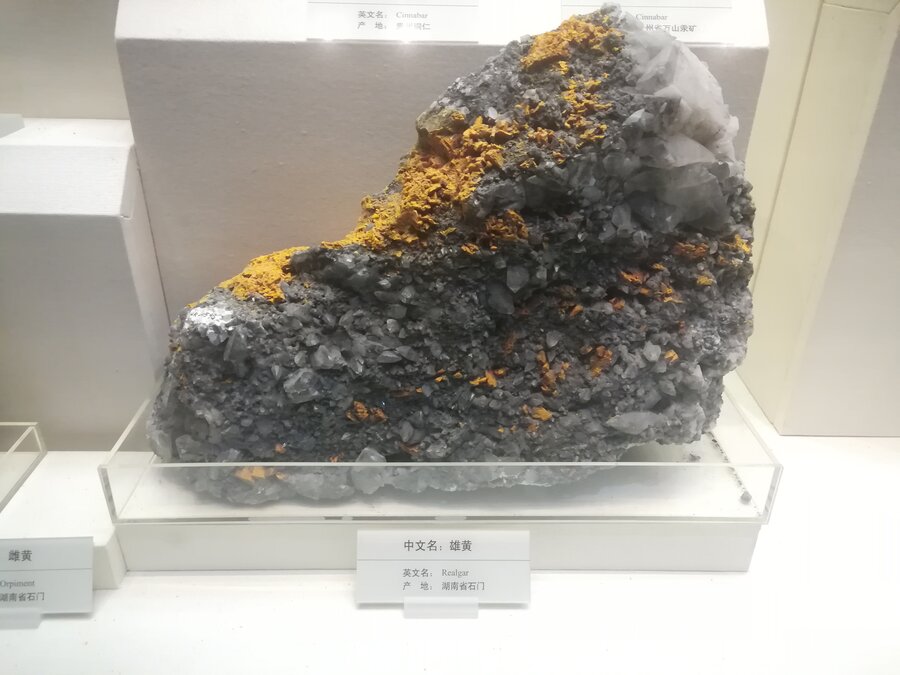
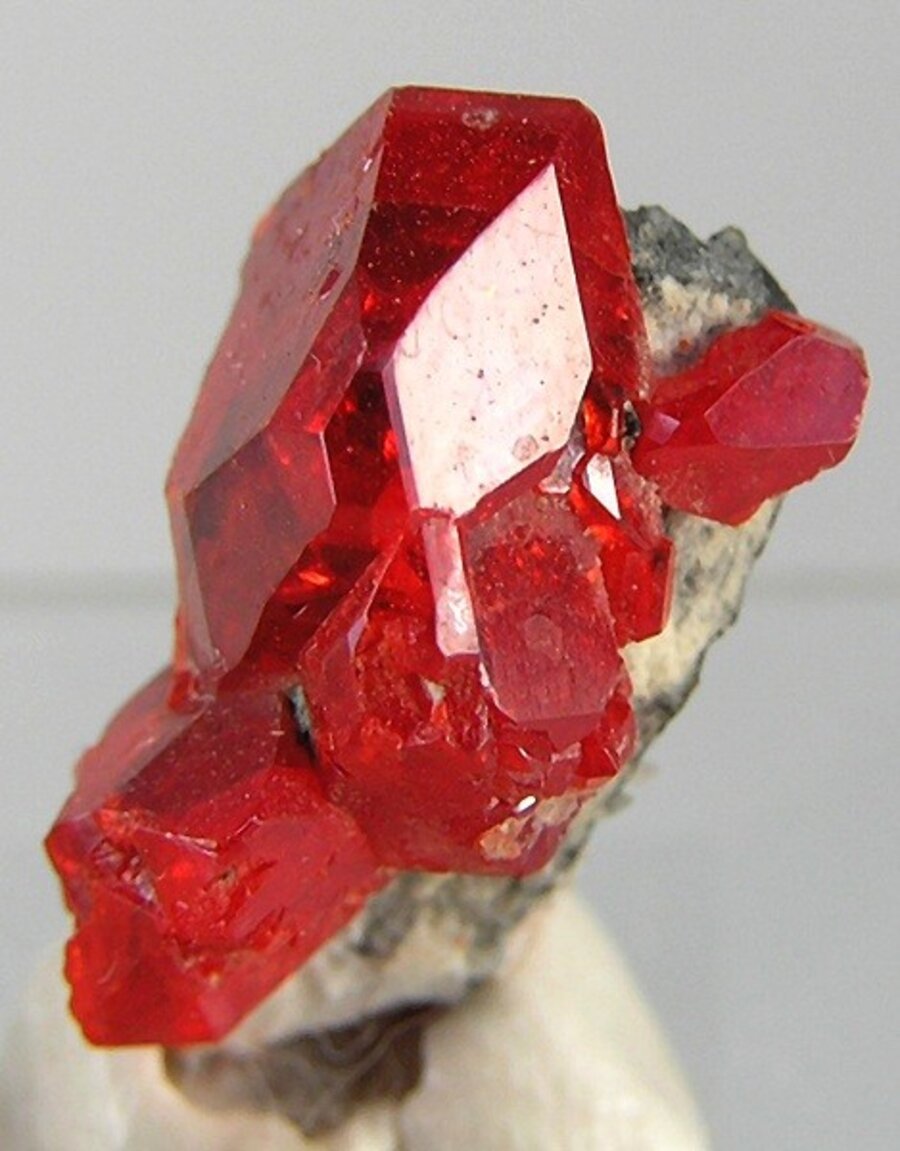
雄黄历以湖南石门所产为道地,石门雄黄矿是世界上最为知名的雄黄产地之一,出产的晶体色泽鲜红、质地纯净;此外贵州、甘肃等地亦有出产。
Xionghuang has traditionally been sourced from Shimen, Hunan Province, home to one of the world's most renowned realgar deposits, prized for vivid red crystals; Guizhou and Gansu have also historically produced it.
传统本草记载雄黄"味辛,性温,有毒",归肝、大肠经;传统理论认为其能解毒杀虫、燥湿祛痰,古代多用于外治疥癣恶疮、蛇虫咬伤等症。
Traditional herbals describe xionghuang as "pungent, warm, and toxic," associated with the Liver and Large Intestine meridians, traditionally used externally for scabies and venomous bites.
雄黄的传统炮制与朱砂类似,多采用"水飞法"去除粗砂杂质。古代药工特别强调雄黄"忌火"——加热会分解产生剧毒的三氧化二砷(砒霜),体现了古人对其毒性变化的观察。
Xionghuang's processing resembles cinnabar's "water-flotation method." Ancient pharmacists warned it "should avoid fire" — heating produces highly toxic arsenic trioxide, reflecting early awareness of its shifting toxicity.
雄黄主要成分为硫化砷类矿物,现代毒理学已明确其毒性;"饮用雄黄酒"这一民俗做法并不安全,不建议自行泡制饮用,更不建议儿童涂抹或误食。本页内容仅作文化呈现,不构成用药建议,请查证 AMMKB 药材知识库。
Xionghuang's primary component is toxic arsenic sulfide; drinking "realgar wine" is not safe by modern standards. This page presents cultural material only, not medical guidance — see the AMMKB Materia Medica Knowledge Base.