石膏
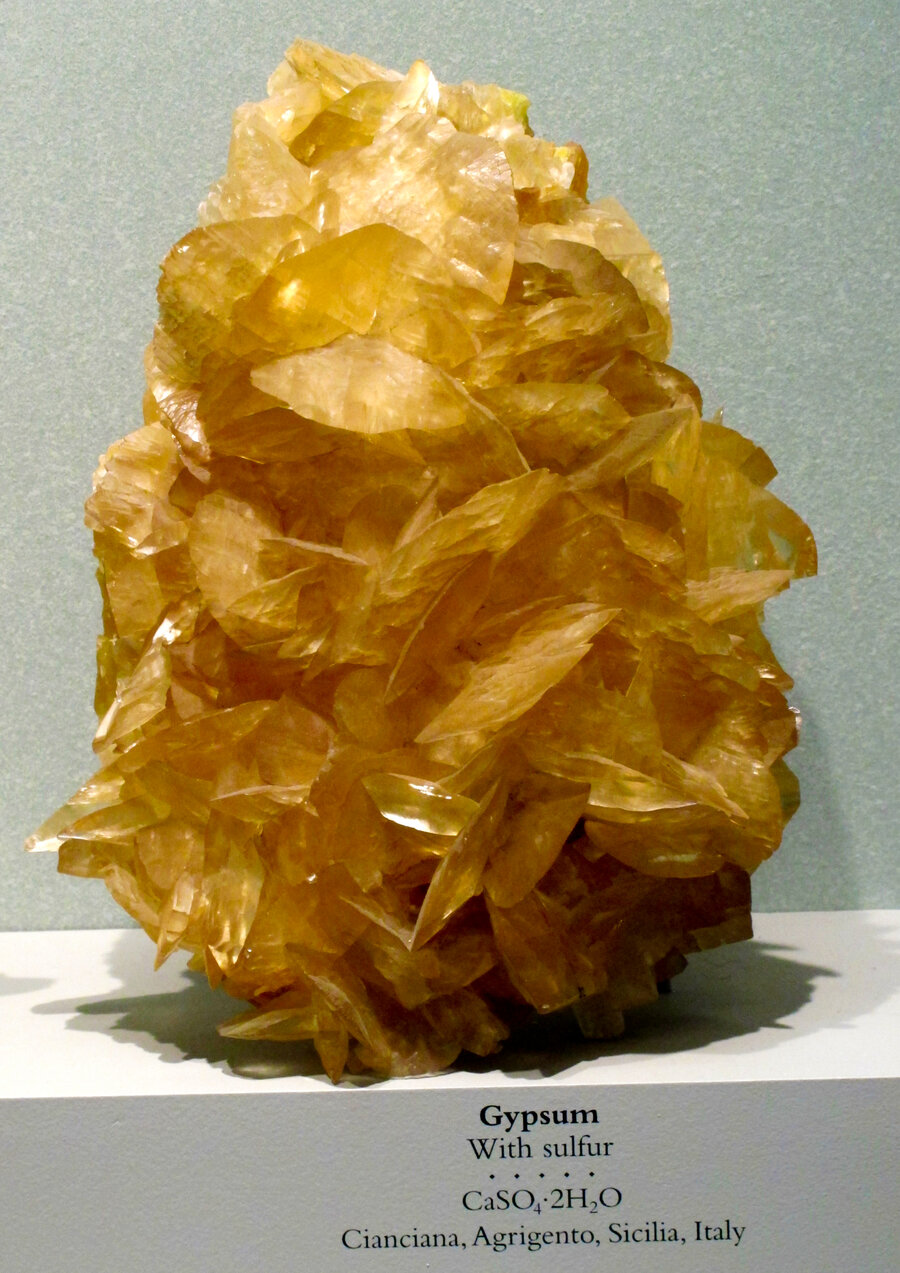
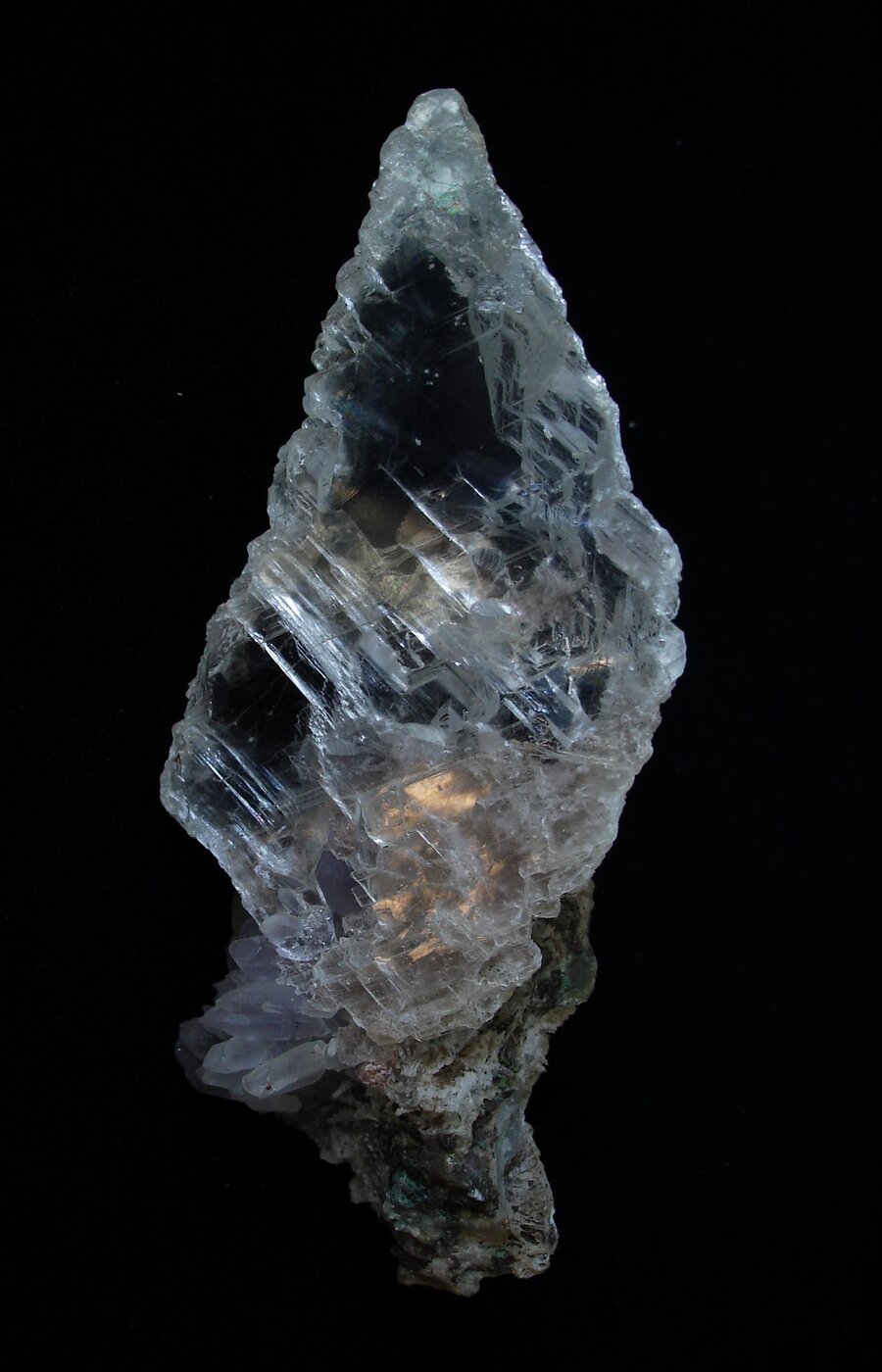
石膏矿石标本
Gypsum mineral specimen
金石部 · 甘寒清热代表 Mineral Drug · Sweet-Cold Heat-Clearing Herb石膏是张仲景《伤寒论》名方"白虎汤"的主药,用以治疗阳明经高热、大汗、烦渴等证,是中医清热泻火治法中最具代表性的矿物药,也是中药"甘寒"药性的典范——不同于多数矿物药偏于重镇或有毒,石膏性寒而味甘,清热而不伤正,历代医家对其推崇备至。
Shigao is the principal herb in Zhang Zhongjing's classic formula Baihu Tang (White Tiger Decoction) from the Treatise on Cold Damage, used to treat high fever, profuse sweating, and intense thirst associated with the Yangming stage of disease. It stands as the most representative mineral drug in the heat-clearing, fire-purging school of Chinese medicine, and exemplifies the "sweet-cold" category of medicinal nature — unlike most mineral drugs, which tend toward heavy sedation or carry toxicity, shigao is cold in nature yet sweet in flavor, clearing heat without harming the body's righteous qi, a quality that earned it high esteem among physicians throughout history.
石膏主产于湖北应城,当地矿藏丰富、质地纯净,历代本草多以"应城石膏"为道地代表;此外山东、四川、甘肃等地也有石膏矿藏,但传统医家普遍认为应城所产者色白、质细、透明度高,药用品质最佳。
Shigao is mainly produced in Yingcheng, Hubei, where the mineral deposits are abundant and notably pure; historical materia medica texts commonly cite "Yingcheng gypsum" as the premier-grade representative. Gypsum deposits are also found in Shandong, Sichuan, and Gansu, but traditional physicians generally regarded the Yingcheng product — white in color, fine in texture, and highly translucent — as the finest medicinal grade.
石膏味甘、辛,性寒,归肺、胃经,传统理论认为其能清热泻火、除烦止渴,为治疗肺胃实热、高热烦渴、头痛齿痛等证的重要药材;煆石膏(经高温煅烧)则性质转为收敛,多用于外治疮疡溃烂、湿疹渗出等证。
Shigao is sweet and pungent in flavor, cold in nature, associated with the Lung and Stomach meridians. Traditional theory credits it with clearing heat and purging fire, relieving restlessness and quenching thirst — an important remedy for excess heat in the lung and stomach, high fever with intense thirst, and headache with toothache. Calcined shigao (processed by high-temperature roasting) takes on an astringent quality instead, more often used externally for suppurating sores and weeping eczema.
生石膏入药需先打碎成小块,便于煎煮时药效析出,多用于内服清热;煆石膏则将生石膏置于高温中煅烧至酥脆易碎,性质由寒转为偏于收湿敛疮,专供外用,二者炮制方式与用途截然不同,不可混用。
For internal use, raw shigao must first be crushed into small pieces to facilitate the release of its active properties during decoction, primarily used for clearing internal heat. Calcined shigao, by contrast, is produced by roasting raw shigao at high temperature until it becomes crisp and friable, shifting its nature from cold toward an astringent, moisture-absorbing, sore-healing quality intended solely for external application — the two processed forms differ entirely in preparation and use, and should never be substituted for one another.
石膏性寒味甘,脾胃虚寒、阳虚畏冷或血虚发热而非实热证者均不宜服用,误用恐伤中焦阳气;非属肺胃实热证者也不应盲目使用,须经辨证确认属实热证后方可配伍应用。
Because shigao is cold in nature, it is unsuitable for those with spleen-stomach cold deficiency, yang deficiency with cold intolerance, or fever due to blood deficiency rather than true excess heat — improper use risks damaging the middle burner's yang qi. It should not be used indiscriminately outside of confirmed excess-heat conditions in the lung and stomach, and must only be combined into a formula after differential diagnosis has established a genuine heat-excess pattern.