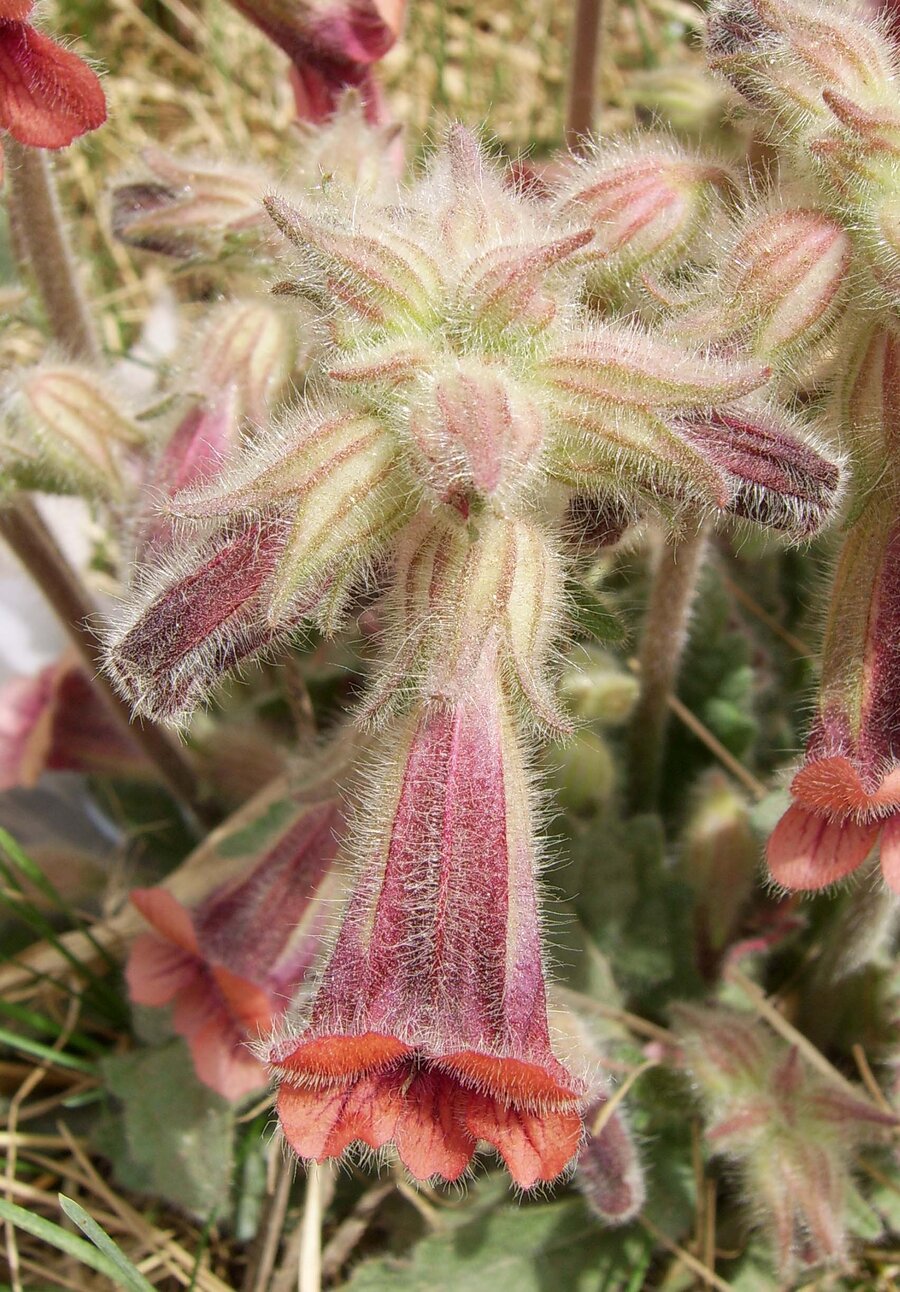
熟地黄
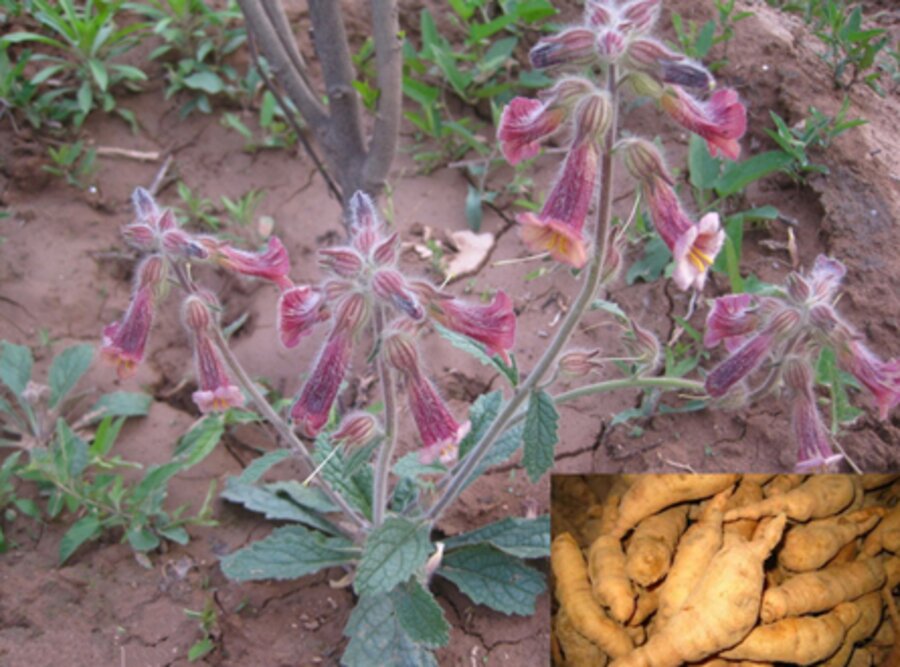
熟地黄炮制根块标本
Processed prepared Rehmannia root specimen
草部 · 补血滋阴要药 Plant Drug · Essential Blood & Yin Tonic熟地黄是中医经典方剂"六味地黄丸"的君药,被誉为"补血滋阴第一药"。它并非天然生长的独立药材,而是由生地黄经过反复蒸制、晒干的炮制工艺转化而成,这一"炮制减毒增效"的智慧,体现了中医对药材性味转化规律的深刻理解——生地黄性寒偏于清热凉血,经炮制后转为甘温,功效也随之转向补益。
Shudihuang is the sovereign herb in the classic formula Liuwei Dihuang Wan (Six-Ingredient Rehmannia Pill), celebrated as the foremost herb for tonifying blood and nourishing yin. It is not an independently grown plant but is transformed from raw rehmannia root through repeated steaming and sun-drying — a process embodying the wisdom of "processing to reduce toxicity and enhance efficacy." This reflects a deep understanding in Chinese medicine of how processing can transform an herb's nature: raw rehmannia is cold and leans toward clearing heat and cooling blood, but after processing it becomes sweet and warm, its function shifting toward tonification.
熟地黄的原料生地黄主产于河南焦作武陟一带,古属怀庆府辖地,与山药、牛膝、菊花并称"四大怀药",是历代公认的道地产区,当地至今仍保留着传统的种植与九蒸九晒炮制技艺。
The raw material for shudihuang, raw rehmannia root, is mainly grown in the Wuzhi area of Jiaozuo, Henan — historically part of Huaiqing Prefecture, and known together with Chinese yam, achyranthes root, and chrysanthemum as the "Four Great Huai Medicinals." This region has long been recognized as the premier origin, and local farmers still preserve the traditional cultivation and "nine steamings, nine sun-dryings" processing technique.
熟地黄味甘,性微温,归肝、肾经,传统理论认为其能补血滋阴、益精填髓,主治血虚萎黄、心悸怔忡、月经不调、肝肾阴虚所致腰膝酸软、眩晕耳鸣等证,是妇科及虚劳调补方剂中的常用主药。
Shudihuang is sweet in flavor and slightly warm in nature, associated with the Liver and Kidney meridians. Traditional theory credits it with tonifying blood and nourishing yin, benefiting essence and filling the marrow — used for blood deficiency with sallow complexion, palpitations, irregular menstruation, and lower back and knee weakness or dizziness with tinnitus caused by liver-kidney yin deficiency. It is a frequently used principal herb in gynecological formulas and remedies for chronic deficiency conditions.
传统炮制工艺讲究"九蒸九晒":将生地黄反复以黄酒拌蒸、晒干,如此循环多次,直至药材色泽转黑、质地油润光亮、口感微甜略带酒香,方为炮制完成,这一工序耗时费力,也是判断熟地黄品质高低的重要依据。
The traditional processing technique emphasizes "nine steamings, nine sun-dryings": raw rehmannia root is repeatedly mixed with yellow rice wine, steamed, and sun-dried in successive cycles until the material turns black in color, develops an oily, glossy texture, and carries a faintly sweet taste with a trace of wine aroma — only then is the processing considered complete. This labor-intensive process is also a key criterion for judging the quality of the finished shudihuang.
熟地黄性质甘温滋腻,脾胃虚弱、湿滞中焦、腹满便溏或食欲不振者应慎用,以免其滋腻碍胃、加重湿邪停滞;临床常需配伍健脾理气药物以减轻其滋腻之弊。
Because shudihuang's nature is sweet, warming, and richly nourishing, it should be used cautiously in cases of spleen-stomach weakness, damp stagnation in the middle burner, abdominal distension with loose stools, or poor appetite, as its rich, cloying quality can burden the stomach and worsen dampness. Clinically it is often combined with spleen-strengthening and qi-regulating herbs to offset this tendency.