灵芝
Língzhī · 别名芝草、瑞草
Lingzhi (Reishi) · "Herb of Longevity"
祥瑞之兆 · 古代吉祥文化的化身 An Auspicious Omen — Embodiment of Ancient Fortune Culture灵芝在中国传统文化中的地位远超一味普通药材,早在《神农本草经》里便按颜色分为青、赤、黄、白、黑、紫六芝,皆列为"上药",与人参、丹砂同属"久食延年"一类。因其形态奇特、生长稀罕,古人视其为"祥瑞之兆",帝王将相多有"进献灵芝"以彰太平的记载,民间更将其塑造为"仙草",融入年画、瓷器、建筑纹饰等吉祥图案,成为长寿与福气的视觉符号。
这种"药材"与"祥瑞"合一的文化现象,在整个本草体系中颇为独特——灵芝的意义早已超出药用范畴,成为中国人表达美好祝愿的一种文化语言。
Lingzhi's standing in Chinese traditional culture extends far beyond that of an ordinary medicinal herb. As early as the Shennong Bencao Jing, it was classified by color into six types — blue-green, red, yellow, white, black, and purple — all ranked among the "superior drugs," alongside ginseng and cinnabar in the category of substances said to "prolong life through sustained consumption." Owing to its unusual form and rarity, the ancients regarded it as an auspicious omen; records tell of officials presenting lingzhi to emperors as a sign of peace and prosperity, while folk culture wove it into New Year prints, porcelain, and architectural motifs as a visual symbol of longevity and good fortune.
This fusion of "medicinal herb" and "auspicious symbol" is fairly unique within the broader materia medica tradition — lingzhi's significance long ago transcended pharmacology, becoming part of the cultural language through which Chinese people express good wishes.
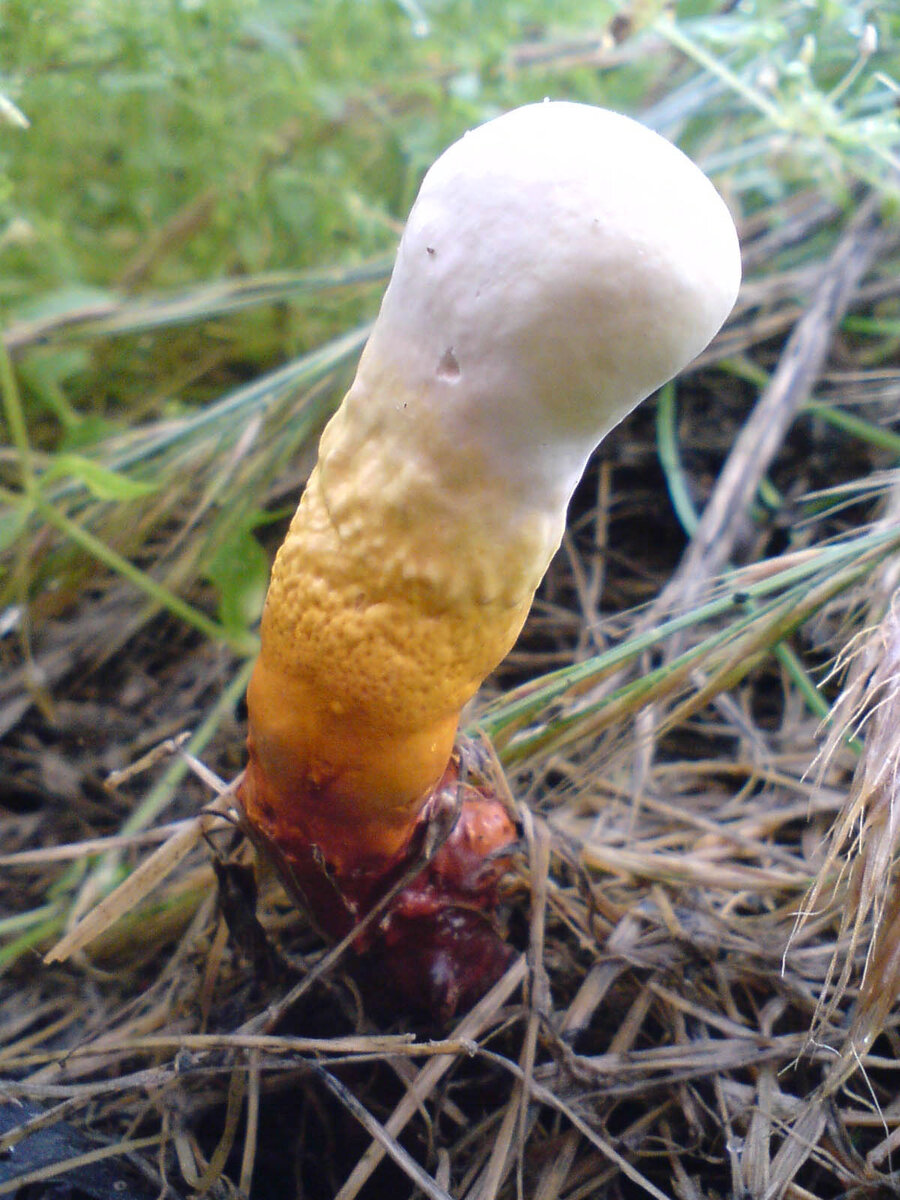
野生灵芝多生于深山腐木之上,古代以长白山、大别山、武夷山等地所产较为知名,因生长条件苛刻、产量稀少而愈显珍贵。现代随着人工培植技术的成熟,灵芝已实现规模化栽培,安徽、浙江、福建等地均为重要产区,产量与可获得性较古代已大为改观。
Wild lingzhi typically grows on decaying wood deep in mountain forests; historically, specimens from the Changbai, Dabie, and Wuyi mountain ranges were especially renowned, prized for their rarity given the exacting growth conditions. With the maturation of modern cultivation techniques, lingzhi is now farmed at scale, with Anhui, Zhejiang, and Fujian among the major producing regions — vastly improving its availability compared to antiquity.
《神农本草经》按颜色将灵芝分为六种,各有侧重归经,后世本草多总括其"味甘,性平",归心、肺、肝、肾经,传统理论认为其能"扶正固本、宁心安神",兼顾多脏,故被视为平和而广泛适用的滋补上品。
The Shennong Bencao Jing classified lingzhi into six color-based types, each with distinct meridian associations; later herbals generally summarized it as "sweet in flavor, neutral in nature," linked to the Heart, Lung, Liver, and Kidney meridians. Traditional theory credits it with "strengthening the body's constitution and calming the spirit" across multiple organ systems, hence its reputation as a mild yet broadly applicable tonic.
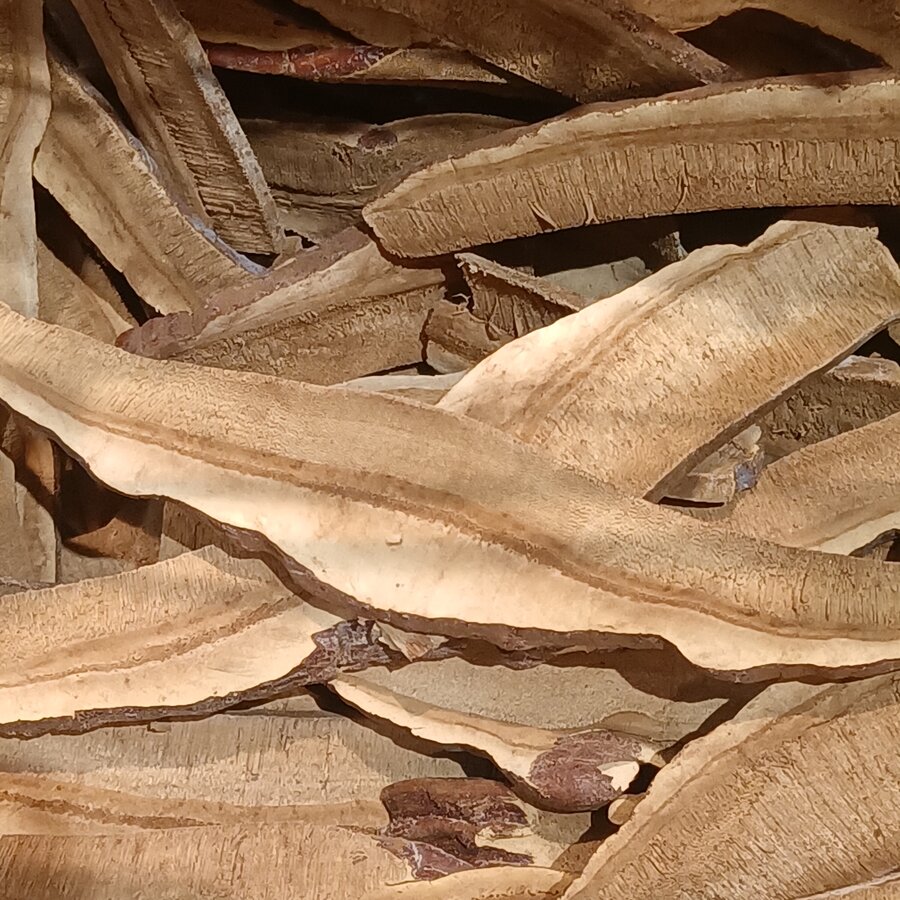
灵芝采收后传统多以阴干或低温烘干处理,以保持其有效成分不被高温破坏;入药时或整只切片煎煮,或研磨成粉冲服,亦有以酒浸泡制成"灵芝酒"的做法。相较矿物药、部分动物药,灵芝的炮制工序总体较为简单,更多着力于干燥与保存,而非复杂的化学转化。
After harvesting, lingzhi is traditionally air-dried or dried at low temperatures to preserve its active compounds from heat degradation. It may be sliced and decocted whole, ground into powder for direct consumption, or steeped in liquor to make "lingzhi wine." Compared to mineral or certain animal drugs, lingzhi's processing is relatively simple, focused mainly on drying and preservation rather than complex chemical transformation.
现代研究显示灵芝含多糖、三萜类等成分,相关药理作用是当代真菌药理学的研究热点之一,但野生灵芝与人工栽培灵芝在成分和品质上可能存在差异,市场上产品良莠不齐。灵芝性平, 但部分体质敏感者服用后仍可能出现口干、皮疹等不适。
本页内容仅作本草文化与历史文献的呈现,不构成用药建议——具体的现代药理评估与安全性数据,请查证 AMMKB 药材知识库。
Modern research indicates lingzhi contains polysaccharides, triterpenoids, and other compounds, with related pharmacological effects being an active area of contemporary fungal pharmacology — though wild and cultivated lingzhi may differ in composition and quality, and market products vary widely. While generally considered mild, some sensitive individuals may experience dry mouth or skin rashes.
This page presents cultural and historical material only, not medical guidance — for current pharmacological evaluation and safety data, see the AMMKB Materia Medica Knowledge Base.