肉桂
Ròuguì · 别名玉桂、桂皮
Rougui (Cinnamon Bark) · The "Chief of a Hundred Formulas"
群方之魁 · 桂枝汤与温里药之首 "Chief Among Formulas" — The Foremost Warming Drug东汉张仲景《伤寒论》开篇第一方即为桂枝汤,后世医家称其"群方之魁",肉桂(及同属桂枝)由此在中医方剂体系中占据极为核心的地位。中国的"桂"文化亦源远流长,广西简称"桂"便与当地盛产肉桂有关,"桂林""桂花"等地名与物象也常与祥瑞、高洁的意象相连;"吴刚伐桂"的月宫神话传说,更让"桂"字承载了浪漫的文化想象。
The Eastern Han physician Zhang Zhongji opened his seminal Treatise on Cold Damage with Guizhi Tang (Cinnamon Twig Decoction), later physicians dubbing it the "chief among formulas" — cementing cinnamon's central place in Chinese medicinal formula theory. China's cultural association with "gui" (cinnamon) runs deep: Guangxi's abbreviated name "Gui" derives from its abundant cinnamon production, and place names like Guilin carry auspicious, refined connotations; the moon-palace legend of Wu Gang felling the cinnamon tree adds a layer of romantic cultural imagination to the character.
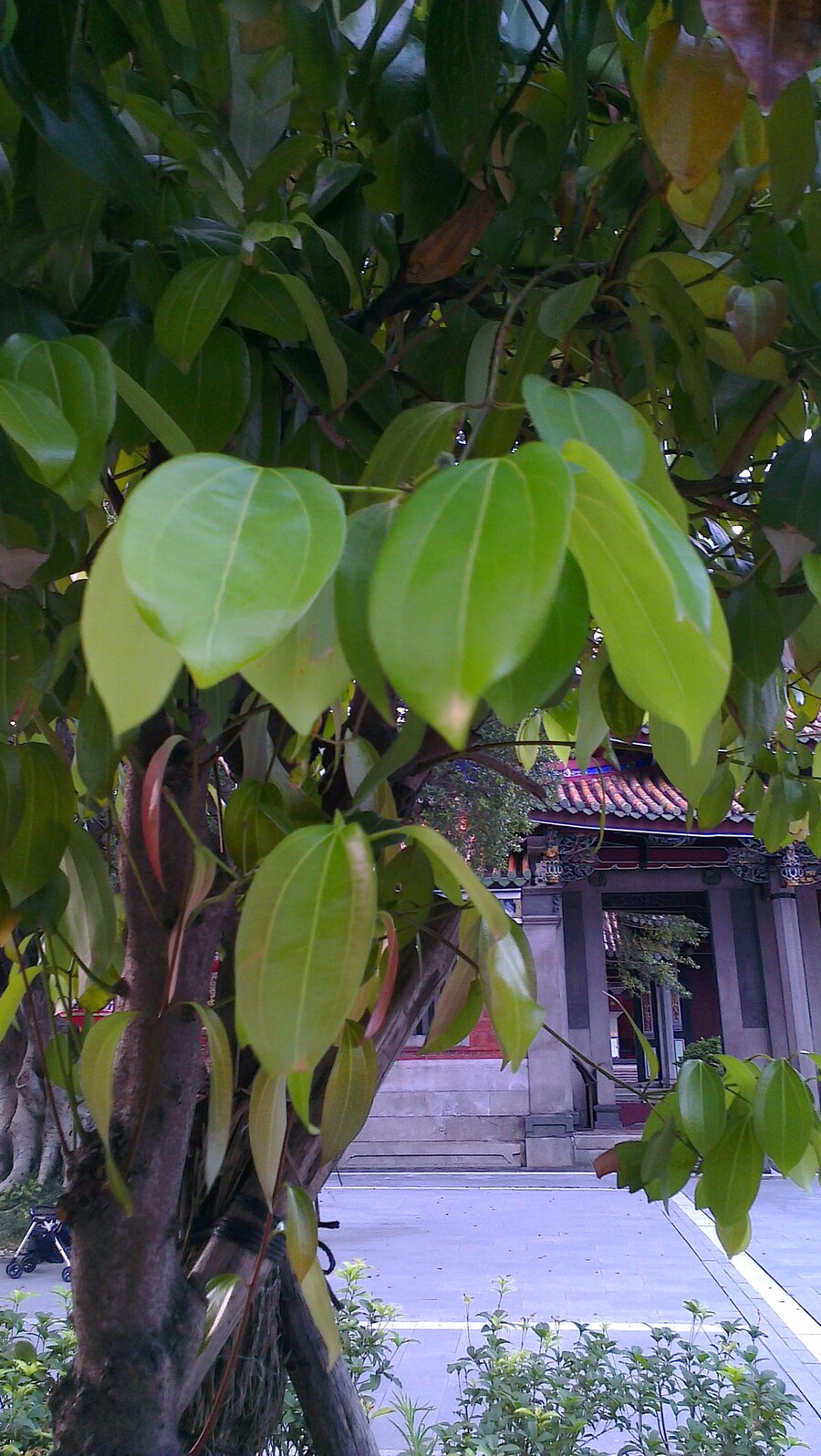
肉桂主产于广西、广东、云南等亚热带地区,广西东兴、防城港一带气候温润,所产肉桂油润厚实、香气浓郁,是历代公认的道地产区,也是"官桂"贡品的重要来源地。
Rougui is mainly grown in the subtropical regions of Guangxi, Guangdong, and Yunnan. The warm, humid climate of Dongxing and Fangchenggang in Guangxi produces bark that is oil-rich, thick, and intensely fragrant, long recognized as the premier source and a historical tribute-grade origin.
《本草纲目》记载肉桂"味辛、甘,性热",归肾、脾、心、肝经,传统理论认为其能补火助阳、散寒止痛、温通经脉,为"温里药"的代表,古代医家常用其治疗阳虚畏寒、脘腹冷痛等证。
The Bencao Gangmu describes rougui as "pungent and sweet in flavor, hot in nature," associated with the Kidney, Spleen, Heart, and Liver meridians. Traditional theory credits it with tonifying fire and yang, dispelling cold, and warming the meridians — the representative "warming drug," historically used for yang deficiency with cold intolerance and abdominal cold pain.
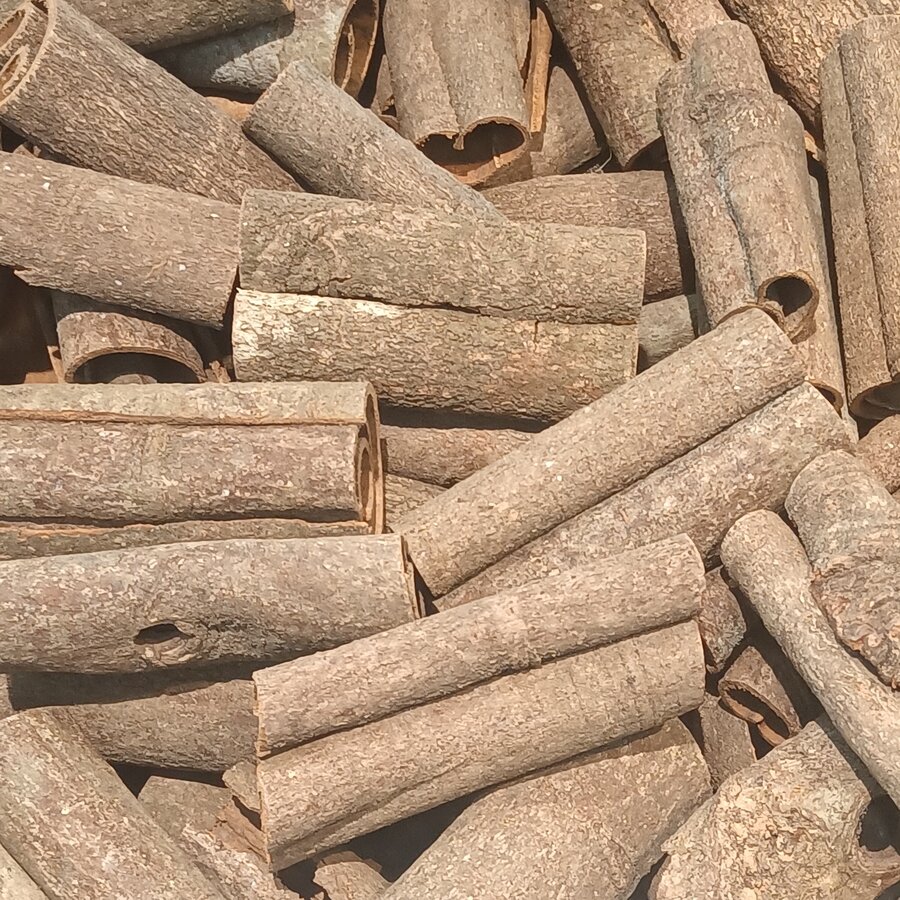
传统采收树皮后阴干,使其自然卷曲成筒状,称"桂筒",依部位与厚薄分为企边桂、板桂等不同等级;现代多切片或磨粉入药,以便调剂与用量控制。
Traditionally, harvested bark was air-dried until it naturally curled into tubular rolls called "gui tong," graded by thickness and part of the tree into categories such as "qibiangui" and "bangui." Modern preparation more commonly slices or grinds the bark for easier dosing.
肉桂性大热,传统医家提醒阴虚火旺、内有实热者及孕妇应慎用或忌用;现代研究显示肉桂中所含桂皮醛长期过量摄入可能对肝脏造成负担,日常调味用量与药用剂量应加以区分,不宜长期大量单独服用。
本页内容仅作本草文化与历史文献的呈现,不构成用药建议,具体现代安全性数据请查证 AMMKB 药材知识库。
Rougui is intensely hot in nature; traditional physicians caution against its use by those with yin deficiency and heat signs, and by pregnant women. Modern research suggests that long-term excessive intake of cinnamaldehyde, a key compound in cinnamon bark, may burden the liver — culinary seasoning amounts should be distinguished from medicinal dosing.
This page presents cultural and historical material only, not medical guidance — for current safety data, see the AMMKB Materia Medica Knowledge Base.