麝香
Shèxiāng · 别名遗香、脐香
Musk (Shèxiāng) · Deer Musk Gland Secretion
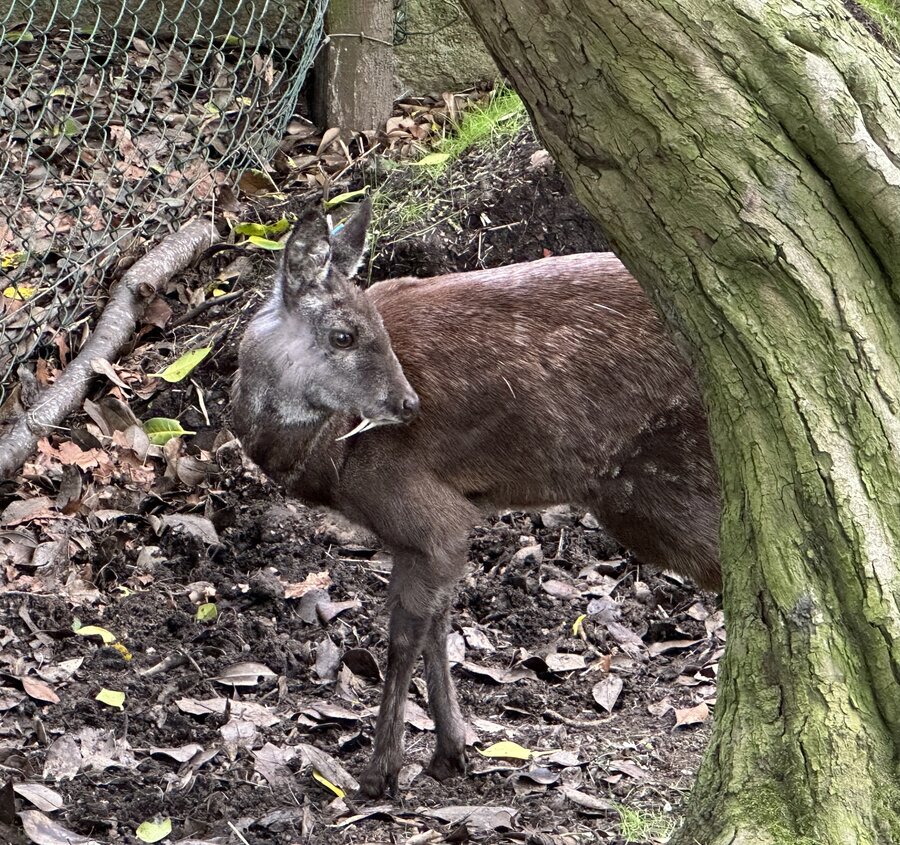
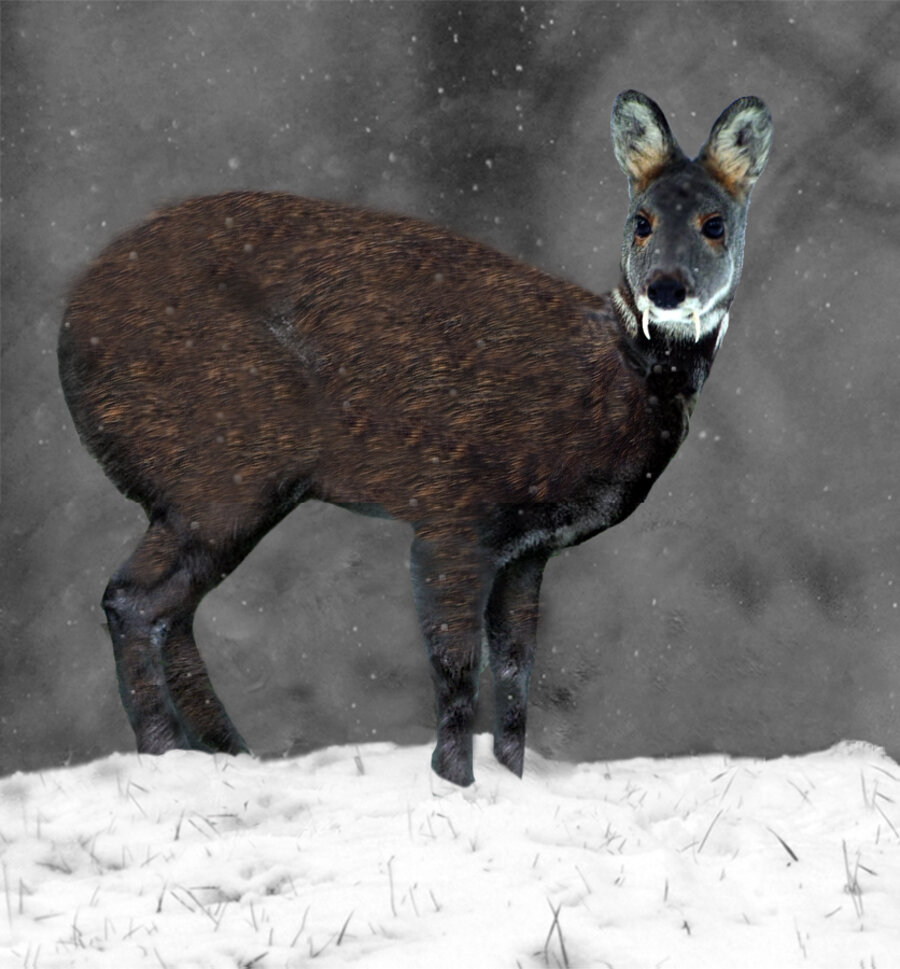
自剔其脐 · 一则悲怆的古代寓言 "Cutting Out Its Own Navel" — A Poignant Ancient Fable麝香取自雄性麝的香囊分泌物,自古被视为极珍贵的药材与香料。古代文献中流传着一则令人动容的寓言:麝在被猎人追捕时,深知自己因香而招祸,情急之下竟"自剔其脐",将香囊咬下埋于地中,以此舍身避患。这则记载虽带有文学夸张的色彩,却也折射出古人对麝香来之不易、"以命换香"的深切认知,以及对这种珍稀动物药材的复杂情感——既珍视其药用与香用价值,又隐隐流露出对猎取过程的悲悯。
这种"自伤以求生"的寓言叙事,在整个本草记载中颇为罕见,也让麝香这味药材承载了远超其药理功效的文化重量。
Musk is derived from the glandular secretion of the male musk deer and has long been prized as an extremely valuable medicinal and aromatic substance. Ancient texts preserve a poignant fable: when pursued by hunters, the musk deer — aware that its own fragrance invites its doom — is said to claw open its musk pod and bury it in desperation, sacrificing itself to escape. Though likely embellished, this account reflects the ancients' deep awareness of how dearly musk was obtained, "a life traded for fragrance," along with a complex mix of reverence for its value and quiet sympathy for the creature hunted for it.
Such a fable of "self-injury to survive" is rare within materia medica literature, lending musk a cultural weight far beyond its pharmacological role.
麝香历以四川、西藏、云南等高山林区所产为道地,古称"麝脐香",因麝多栖息于海拔较高、人迹罕至的山地丛林,取得不易,自古便是价比黄金的珍稀药材,历代贡品与丝路贸易中均占重要地位。
Musk has traditionally been sourced from the high mountain forests of Sichuan, Tibet, and Yunnan, historically called "navel musk of the deer." Because musk deer inhabit remote, high-altitude woodlands, the substance was difficult to obtain and, since antiquity, valued on par with gold — a prized tribute item and a significant commodity along the Silk Road trade routes.
《本草纲目》记载麝香"味辛,性温",归心、脾经,传统理论认为其"香气浓烈、走窜之力强",故有开窍醒神、活血通经之效,古代多用于急症苏醒、跌打损伤及妇科经闭等证,是传统"芳香开窍"类药材的代表。
The Bencao Gangmu describes musk as "pungent in flavor, warm in nature," associated with the Heart and Spleen meridians. Traditional theory holds that its intense aroma carries strong penetrating power, giving it the effect of opening the orifices, reviving consciousness, and promoting blood circulation — historically used for reviving patients in acute crises, treating traumatic injury, and addressing menstrual blockage, making it a classic representative of "aromatic orifice-opening" drugs.
传统所用的麝香仁需经阴干处理,去除杂质后密封保存,以防香气散失、药效降低;因其质地珍贵、极易掺假,历代本草与药商均格外强调鉴别真伪之法,如观察颜色、嗅辨气味等,是古代药材鉴别学中颇具代表性的一例。
Traditionally, harvested musk pods were air-dried, cleaned of impurities, and sealed for storage to prevent the fragrance — and thus efficacy — from dissipating. Owing to its great value and susceptibility to adulteration, historical herbal texts and drug merchants placed particular emphasis on authentication methods such as color inspection and scent testing, making musk a notable case study in traditional materia medica authentication.
麝香入药历史悠久,但天然麝香的取用建立在猎杀麝科动物的基础上,麝已被列入《濒危野生动植物种国际贸易公约》(CITES)及中国《国家重点保护野生动物名录》,非法猎捕、贩卖天然麝香均属违法行为。目前中医药领域已广泛以人工合成麝香或麝香酮替代天然麝香入药,这也是传统药材应对现代生态保护要求的重要转型方向。
本页仅从文化与历史角度呈现古代文献记载,不涉及、不提倡、不指导任何形式的野生动物猎捕或天然麝香交易。现代药理评估与合规替代品信息,请查证 AMMKB 药材知识库。
Musk has a long history of medicinal use, but the harvesting of natural musk has historically depended on hunting musk deer. The species is now listed under CITES and China's List of Key Protected Wildlife; illegal hunting or trade in natural musk is prohibited by law. Today, traditional Chinese medicine widely uses synthetic musk or muscone as a substitute for natural musk — an important transition for traditional materia medica in response to modern conservation requirements.
This page presents historical and cultural material only and does not involve, endorse, or provide guidance on any form of wildlife hunting or natural musk trade. For modern pharmacological evaluation and compliant substitute information, see the AMMKB Materia Medica Knowledge Base.