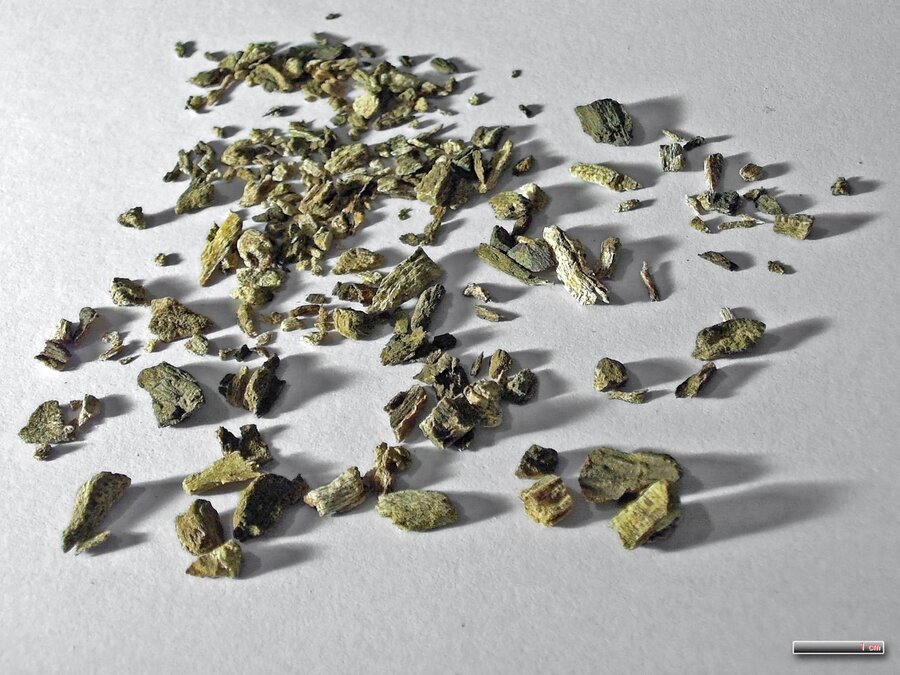
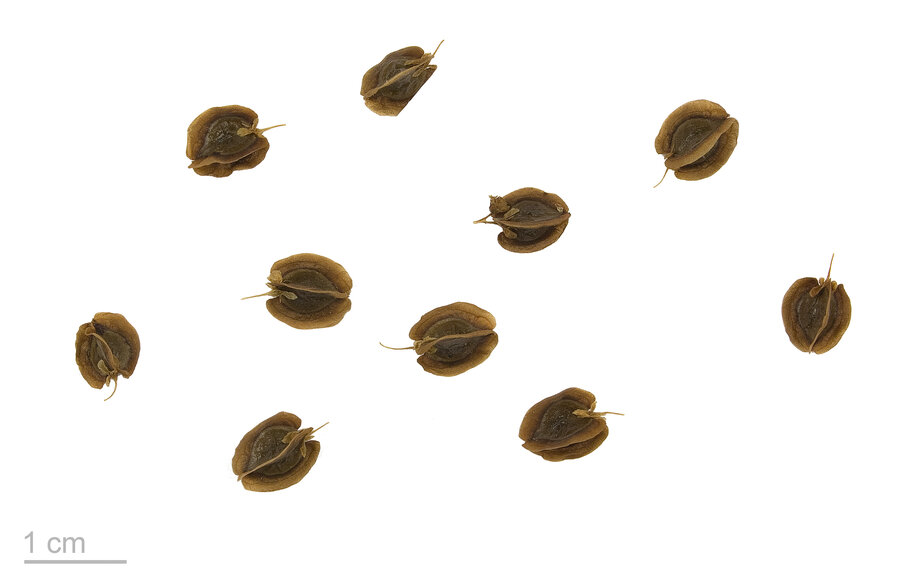
大黄
Dàhuáng · 别名将军、川军
Dahuang (Rhubarb Root) · The "General" of Chinese Herbs
推陈致新 · 攻下泻火第一品 "Clearing the Old, Bringing the New" — The Foremost Purgative大黄自古被誉为‘将军’,因其攻下峻猛、拨乱反正之功犹如战场之将军。张仲景《伤寒论》大承气汤、《金匱要略》诸经方皆以其为要药,李时珍《本草纲目》称其‘推陈致新,如戡定祸乱,以致太平,所以有将军之名’。历史上大黄还曾是丝绸之路上重要的出口药材,欧洲称之为‘中国大黄’,一度是仅次于茶叶、丝绸的重要对华贸易商品。
Since ancient times, dahuang (rhubarb root) has been honored with the title 'General' for its swift, forceful purgative action, likened to a general restoring order on the battlefield. It served as a principal ingredient in classical formulas such as the Major Order-the-Qi Decoction from Zhang Zhongjing's Treatise on Cold Damage, and Li Shizhen's Compendium of Materia Medica explained that it 'clears out the old to bring in the new, quelling chaos to restore peace — hence the title of General.' Historically, dahuang was also a major export along the Silk Road, known in Europe as 'Chinese Rhubarb,' once ranking just behind tea and silk among China's trade goods with the West.
大黄主产于甘肃、青海、四川、云南等高寒山区,其中甘肃礫州(今礫西一带)所产‘礫大黄’自古被视为道地上品,李时珍称‘以蜀川锦纹者良’。其多生长于海拔1500至4000米的高寒地带,喜凉爽湿润气候。
Dahuang grows chiefly in the cold, high-altitude regions of Gansu, Qinghai, Sichuan, and Yunnan. The rhubarb produced in Gansu's Lixian region has long been regarded as the finest and most authentic grade, and Li Shizhen praised the variety from Sichuan with its brocade-patterned cross-section as superior. The plant thrives at elevations between 1,500 and 4,000 meters in cool, moist mountain climates.
味苦,性寒,归脾、胃、大肠、肝、心包经。
Bitter in flavor and cold in nature, dahuang enters the Spleen, Stomach, Large Intestine, Liver, and Pericardium channels.
生大黄泻下力猛,多用于热结便秘之急证;酒炙大黄借酒性升提,善清上焦火热;醋大黄缓和泻下之力,长于止血消癥;制大黄经九蒸九晒,泻下作用极为缓和,适合体虚年迈之人。
Raw dahuang has the strongest purgative force and is used for acute heat-constipation patterns. Wine-processed dahuang carries the wine's rising quality, making it effective at clearing heat from the upper body. Vinegar-processed dahuang has a gentler purgative effect and is favored for stopping bleeding and dispersing masses. Steamed-and-sun-dried dahuang, processed through nine cycles of steaming and drying, has the mildest laxative action, suitable for the frail and elderly.
大黄苦寒峻烈,脾胃虚寒、血虚气弱者应慎用;妇女妊娠期及哺乳期禁用;不宜长期服用,以免损伤脾胃正气。
本页内容仅作本草文化与历史文献的呈现,不构成用药建议,具体现代安全性数据请查证 AMMKB 药材知识库。
Because dahuang is bitter, cold, and forceful, it should be used with caution by those with a weak, cold spleen and stomach or deficient blood and qi. It is contraindicated during pregnancy and lactation, and prolonged use should be avoided to prevent damage to the spleen and stomach's healthy qi.
This page presents cultural and historical material only, not medical guidance — for current safety data, see the AMMKB Materia Medica Knowledge Base.