龙骨
Lónggǔ · 别名五花龙骨
Longgu · "Dragon Bone" (Fossilized Mammal Bone)
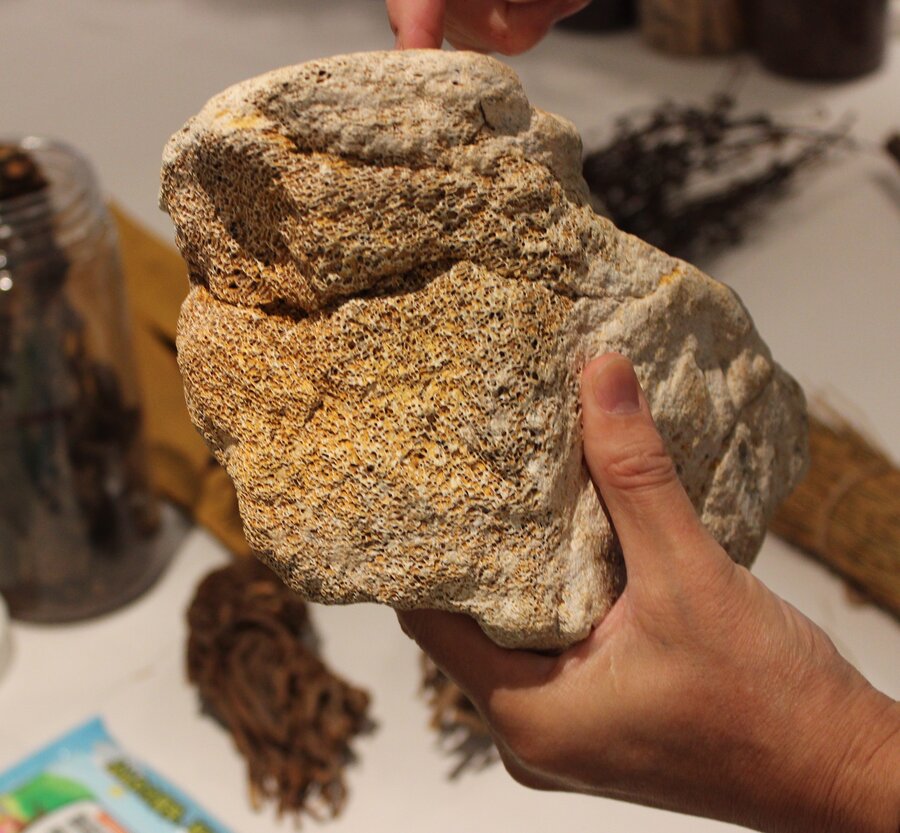
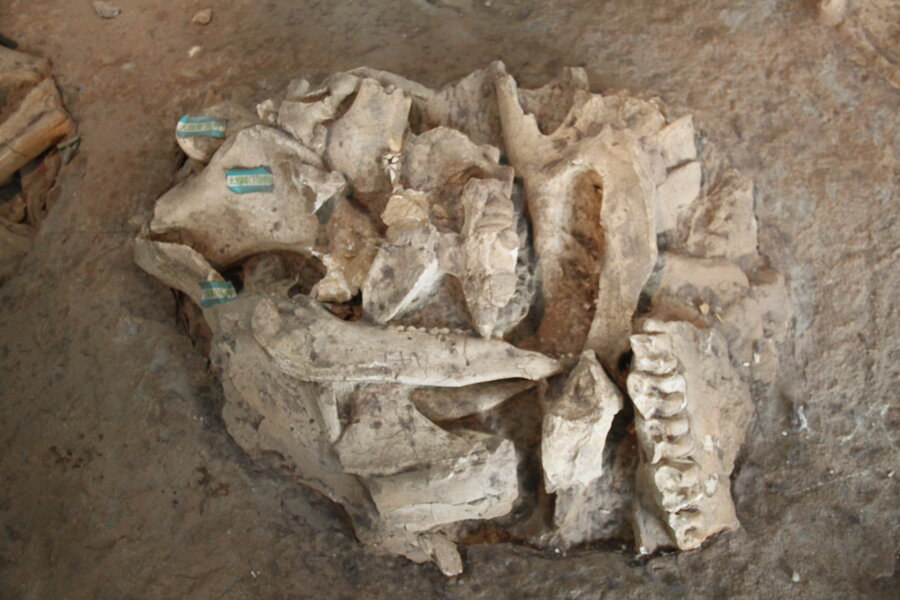
镇静安神 · 平肝潜阳 Calms the Spirit · Settles Liver Yang龙骨之名充满传奇色彩——古人在河南、山西等地挖掘出大型哺乳动物(如三趾马、犀类、鹿类、象类)的骨骼化石,因不识其真实来源,误以为是神话中「龙」的遗骸,故称「龙骨」。清末学者在河南安阳收购龙骨作药材时,偶然发现部分骨片上刻有神秘符号,经考证竟是商代甲骨文,由此揭开了殷墟甲骨文的重大考古发现,龙骨也因此兼具药用价值与考古学意义,成为中医药史上极富故事性的一味药材。
The name "Dragon Bone" carries a legendary origin: ancient people unearthed fossilized bones of large mammals (such as three-toed horses, rhinoceros relatives, deer, and elephants) in regions like Henan and Shanxi. Unable to identify their true source, they mistook them for the remains of mythical dragons. In the late Qing dynasty, scholars purchasing "dragon bones" as medicine in Anyang, Henan, discovered mysterious symbols carved on some fragments—later confirmed to be Shang dynasty oracle bone script, leading to the landmark archaeological discovery of the Yin Ruins inscriptions. Dragon bone thus holds both medicinal value and archaeological significance, making it one of the most story-rich substances in the history of Chinese medicine.
龙骨主产于河南、山西、内蒙古、陕西等黄土高原及华北地区,为古代哺乳动物骨骼或牙齿的化石。《本草纲目》载:「龙骨,今人多以马、牛、猪、羊之骨伪充……真龙骨极难得。」按化石形态可分为「龙骨」(骨骼化石)与「五花龙骨」(因含多种矿物质呈现红白相间纹理者尤为珍贵)。现代地质与考古部门对含化石地层有严格保护规定,药用龙骨须来自合法渠道供应。
Dragon bone is primarily found in the loess plateau and North China regions including Henan, Shanxi, Inner Mongolia, and Shaanxi, consisting of fossilized bones or teeth of ancient mammals. The Compendium of Materia Medica notes: "Nowadays dragon bone is often counterfeited with the bones of horses, cattle, pigs, and sheep... genuine dragon bone is extremely rare." Based on fossil form, it is classified into plain "dragon bone" (fossilized bone) and the especially prized "five-flower dragon bone" (displaying red-and-white mineral-streaked patterns). Modern geological and archaeological authorities strictly regulate fossil-bearing strata, and medicinal dragon bone must be sourced through legal supply channels.
龙骨性味甘、涩,平,归心、肝、肾经。功能镇静安神、平肝潜阳、收敛固涩,主治心神不安、失眠多梦、惊悸怔忡、肝阳上亢之头晕目眩,以及自汗盗汗、遗精滑精、崩漏带下等证。因其性偏收涩,凡湿热积滞、实证便秘者应慎用。
Dragon bone is sweet and astringent in flavor, neutral in nature, and enters the Heart, Liver, and Kidney meridians. It calms the spirit, settles liver yang, and provides astringent consolidation. It is indicated for restlessness, insomnia with excessive dreaming, palpitations with fright, dizziness from liver-yang rising, as well as spontaneous or night sweating, seminal emission, and abnormal uterine bleeding or discharge. Due to its astringent nature, it should be used cautiously in cases of damp-heat stagnation or excess-type constipation.
龙骨传统炮制分「生龙骨」与「煅龙骨」两种:生龙骨经净选、捣碎后直接入药,多用于平肝潜阳;煅龙骨则将净龙骨置无烟炉火中煅烧至酥脆,研成细粉,收敛固涩之效更强,常用于治疗自汗、遗精、崩漏等滑脱不禁之证。因龙骨质地坚硬难以粉碎,古时药工多以研钵反复捶研,煅制后则质地酥松,便于加工。
Traditional processing of dragon bone yields two forms: "raw dragon bone," which is cleaned and crushed before direct use, primarily for settling liver yang; and "calcined dragon bone," produced by firing the cleaned material over smokeless flame until crisp, then grinding into fine powder, which provides stronger astringent consolidation, commonly used for spontaneous sweating, seminal emission, and abnormal bleeding disorders marked by unchecked discharge. As dragon bone's hard texture makes crushing difficult, apothecaries traditionally pounded it repeatedly in a mortar; calcining renders it porous and far easier to process.
龙骨性偏收涩,湿热蕴结、实证便秘及外感初起者不宜服用,长期或大量服用亦应在中医师指导下进行,避免自行盲目服用。目前药用龙骨来源受到地质文物保护相关规定约束,购买时应通过正规药材渠道,不可参与非法盗采化石活动。
Being astringent in nature, dragon bone is unsuitable for those with damp-heat accumulation, excess-type constipation, or the early stages of external contraction; prolonged or high-dose use should also be conducted under the guidance of a qualified TCM practitioner rather than self-administered. As sources of medicinal dragon bone are subject to geological and cultural heritage protection regulations, purchases should go through legitimate pharmaceutical channels, and participation in illegal fossil excavation must be avoided.