何首乌
Héshǒuwū · 别名地精、赤敛
Heshouwu (Fo-Ti) · Multiflower Knotweed Root
古今争议 · 从乌发仙草到肝损伤警示 A Herb in Dispute — From Hair-Blackening Legend to Modern Liver Warning相传唐代有位姓何的老人,体弱多病、须发早白,偶然挖得一种藤本植物的根块服食,久而久之竟须发转黑、老当益壮,遂将此药命名为"何首乌"。这个"返老还童"的传说,让何首乌在民间被赋予了近乎神话的滋补形象,历代养生方书中屡见其身影,尤以"乌发"功效最为人称道。
然而这则传说本身更多是后世附会的民间叙事,用以强化药材的滋补意象,而非严谨的本草记载——这恰恰提醒我们,本草文化中"疗效"与"传说"往往交织共生,需要以历史的眼光去分辨其中的文化想象与药理事实。
Legend holds that a frail, prematurely gray-haired man named He, during the Tang dynasty, chanced upon a vine-root plant and took it regularly — over time his hair turned black again and his vigor returned, leading him to name the herb after himself. This "rejuvenation" legend gave heshouwu an almost mythical tonic reputation in folk culture, especially prized for "blackening the hair."
Yet this tale is largely a later folk elaboration meant to reinforce the herb's tonic image, rather than a rigorous historical record — a reminder that in materia medica culture, "efficacy" and "legend" are often intertwined, requiring a historical eye to distinguish cultural imagination from pharmacological fact.
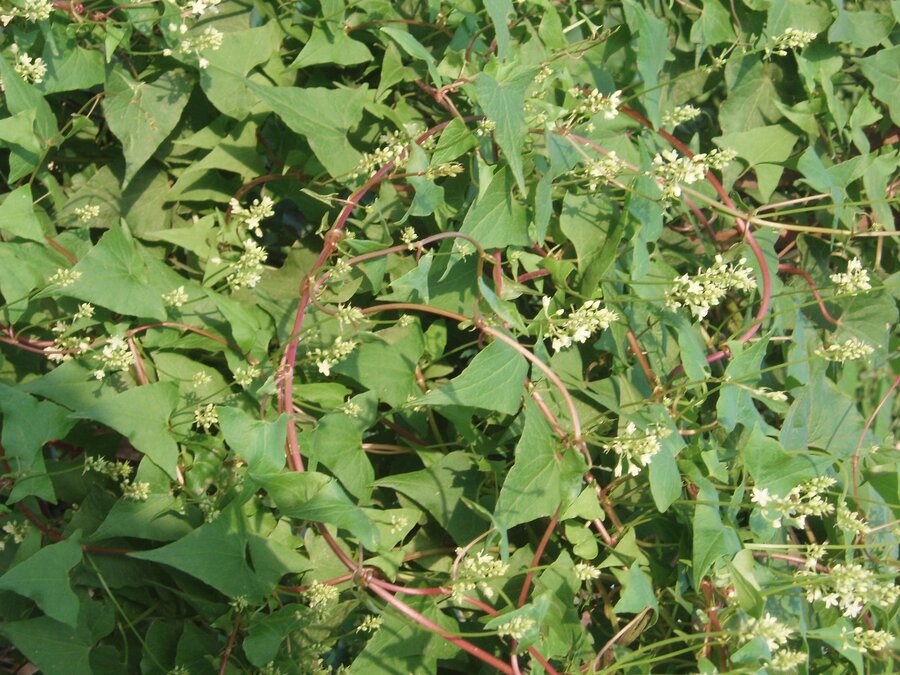
何首乌历以广西、广东所产为道地,尤以广西德庆(旧属"云开"山区)出产者品质最优,故民间又有"云首乌""广首乌"之称。其藤本喜生于山野林缘,块根多埋于土中,形似番薯,大小、纹路各异,年份愈久者块根愈大,传统认为药力也愈厚。
Heshouwu has traditionally been sourced from Guangxi and Guangdong, with roots from Deqing, Guangxi (in the historic Yunkai mountain region) considered finest, hence the folk names "Yun heshouwu" or "Guang heshouwu." The vine favors forest margins in hilly terrain, its tuberous root buried underground and resembling a sweet potato in shape; older roots grow larger and were traditionally believed to carry stronger potency.
《本草纲目》记载何首乌"味苦涩,微温",后世本草多补充"兼甘"之说;归肝、肾经,传统理论认为其能"补肝肾、益精血",故民间视其为乌发、固齿、强筋骨的滋补佳品,与地黄、枸杞等同属"补益肝肾"一类的常用药材。
The Bencao Gangmu describes heshouwu as "bitter and astringent in flavor, slightly warm," with later herbals often adding a note of sweetness. It is associated with the Liver and Kidney meridians, traditionally credited with "nourishing liver and kidney, replenishing essence and blood" — hence its folk reputation as a tonic for blackening hair, strengthening teeth, and fortifying the sinews, grouped alongside rehmannia and goji as a classic liver-kidney tonic.
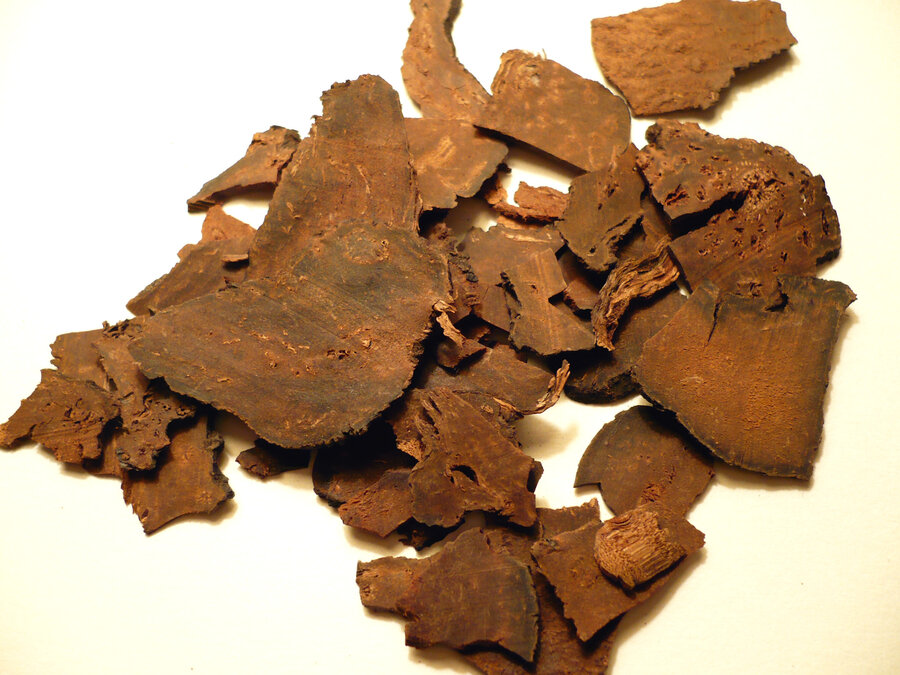
何首乌有"生首乌"与"制首乌"之分:生首乌为晒干切片的原态块根,传统多用于外用或通便;制首乌则须经黑豆汁反复蒸晒("九蒸九晒"之说流传甚广),使药性由偏泻转为偏补,才更适宜内服滋养。这一炮制工序的核心目的,正是通过反复蒸制来降低其偏泻、偏毒的一面,凸显其滋补功效——这也从传统炮制智慧的角度,侧面印证了生品与制品在安全性上的显著差异。
Heshouwu is distinguished as "raw" (sheng) or "processed" (zhi): the raw, sun-dried sliced root was traditionally used externally or as a mild laxative, while the processed form — repeatedly steamed with black soybean juice (the well-known "nine steamings, nine sun-dryings" method) — shifted its properties from purgative toward tonifying, making it more suitable for internal, nourishing use. The very purpose of this elaborate processing was to reduce the raw root's purgative and more toxic tendencies while enhancing its tonic effect — itself indirect traditional evidence of the marked safety difference between the raw and processed forms.
需要特别提醒的是,近年多国药品监管机构(包括中国、美国、英国等)均记录到与何首乌相关的肝损伤病例报告,其确切致病机制仍在研究中,可能与个体差异、炮制方法(生首乌毒性显著高于炮制后的制首乌)及长期过量服用有关。
本页内容仅作本草文化与历史文献的呈现,不构成用药建议。何首乌及其制剂的现代安全性证据、适用与禁忌人群,请务必查证 AMMKB 药材知识库,切勿自行长期或大量服用。
Notably, drug regulatory agencies in several countries (including China, the US, and the UK) have documented cases of liver injury associated with heshouwu. The exact mechanism remains under study, potentially linked to individual variation, processing method (raw heshouwu is significantly more toxic than the processed form), and prolonged excessive use.
This page presents cultural and historical material only, not medical guidance. For current safety evidence and contraindications, please consult the AMMKB Materia Medica Knowledge Base — do not self-administer long-term or in large doses.