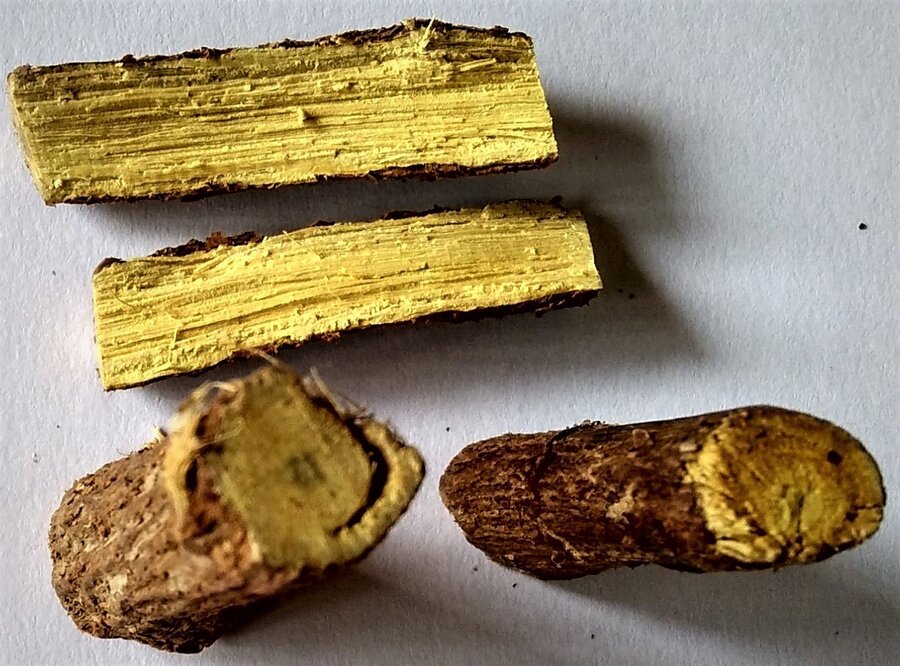
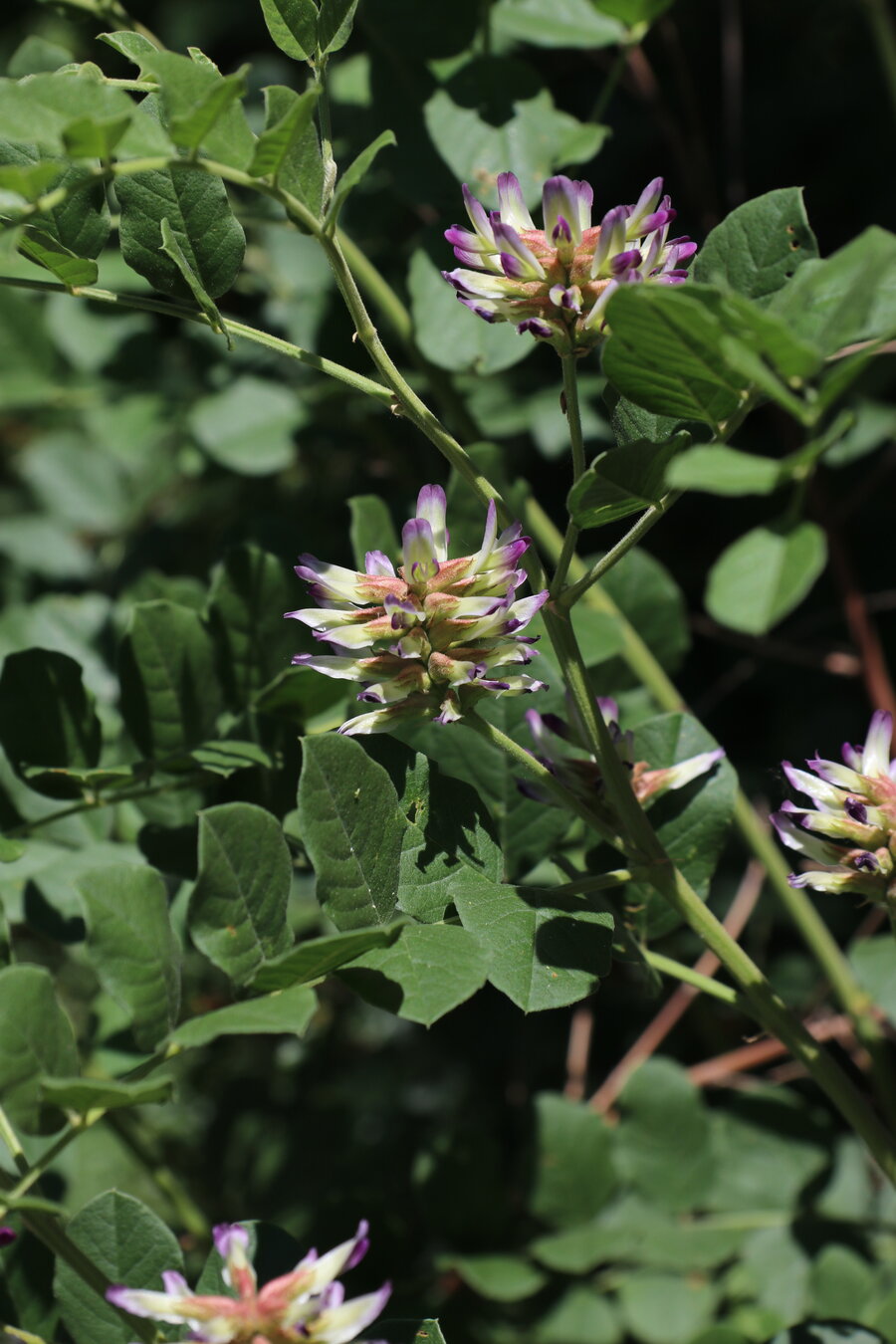
甘草
Gāncǎo · 别名国老、美草
Gancao (Licorice Root) · The "Grand Elder" of Herbs
十方九草 · 药中之国老 "Nine in Ten Formulas" — The Grand Elder Among Herbs南梁陶弘景在《本草经集注》中尊称甘草为"国老",意指其地位如国之元老,为百药之首。历代方剂中甘草的使用频率极高,民间有"十方九草"之说,因其性质平和,既能调和诸药、缓解药性峻烈之弊,又能矫正口感,故几乎所有经方、时方中都能见到它的身影。
这种"调和百药"的角色,让甘草在本草体系中占据了一个特殊位置——它很少作为君药单独治病,却几乎无处不在,如同一位默默协调各方的长者,这也是"国老"称号最贴切的文化寓意。
The Liang-dynasty physician Tao Hongjing honored gancao with the title "Grand Elder" in his Bencao Jing Jizhu, likening its standing to that of a senior statesman among the hundred herbs. It appears in the vast majority of classical formulas — folk wisdom holds "nine in ten prescriptions contain licorice" — owing to its mild nature, which harmonizes other ingredients and softens their potency while also improving taste.
This role as "harmonizer of the hundred herbs" gives gancao a special place in materia medica — rarely the principal ingredient treating a disease on its own, yet almost universally present, like an elder quietly mediating among all parties, which is precisely the cultural meaning behind the title "Grand Elder."
甘草主产于内蒙古、甘肃、新疆等西北干旱、半干旱草原地区,以内蒙古杭锦旗一带所产"梁外甘草"最为道地,根条粗壮、粉性足、甜味浓,历代药商多以此地所产为上品。
Gancao is primarily grown in the arid and semi-arid grasslands of Inner Mongolia, Gansu, and Xinjiang, with "Liangwai" licorice from the Hangjin Banner area of Inner Mongolia considered the finest — thick roots, high starch content, and strong sweetness have long made it the standard by which merchants judged quality.
《本草纲目》记载甘草"味甘,平",归心、肺、脾、胃经,传统理论认为其能补脾益气、清热解毒、祛痰止咳、缓急止痛,兼具"调和药性"之功,故广泛配伍于寒热虚实各类方剂之中。
The Bencao Gangmu describes gancao as "sweet in flavor, neutral in nature," associated with the Heart, Lung, Spleen, and Stomach meridians. Traditional theory credits it with tonifying the spleen, clearing heat, resolving phlegm, and relieving spasms and pain, alongside its signature role of harmonizing other herbs.
甘草有生甘草与炙甘草(蜜炙)之分:生甘草多用于清热解毒、疗疮消肿;经蜂蜜拌炒后的炙甘草则药性偏于甘缓,多用于补中益气、缓和脾胃。这一"生清、炙补"的炮制差异,是甘草临床应用中的基础常识。
Gancao is distinguished as raw or honey-fried ("zhi"): raw licorice is generally used for clearing heat and reducing swelling, while honey-fried licorice becomes milder and more nourishing, used to tonify the spleen and stomach. This "raw for clearing, fried for tonifying" distinction is foundational clinical knowledge.
现代药理研究证实甘草中的甘草酸、甘草次酸具有类似盐皮质激素的作用,长期或大剂量服用可能导致低钾血症、水钠潴留及血压升高(称为"假性醛固酮增多症"),且可能与某些西药产生相互作用,高血压及肾病患者尤需谨慎,不宜长期大量自行服用。
本页内容仅作本草文化与历史文献的呈现,不构成用药建议,具体现代安全性数据请查证 AMMKB 药材知识库。
Modern pharmacology confirms that glycyrrhizin and glycyrrhetinic acid in licorice exert mineralocorticoid-like effects; prolonged or excessive use may cause hypokalemia, sodium and water retention, and elevated blood pressure ("pseudoaldosteronism"), and may interact with certain medications. Those with hypertension or kidney disease should be especially cautious.
This page presents cultural and historical material only, not medical guidance — for current safety data, see the AMMKB Materia Medica Knowledge Base.