龟甲
Guījiǎ · 别名龟板、下甲
Guijia · Tortoise Plastron
滋阴潜阳 · 益肾健骨 Nourishes Yin & Anchors Yang · Strengthens Kidney & Bone龟甲入药历史悠久,早在《神农本草经》即列为上品。古人观龟寿命绵长、性情沉静,认为其甲蕴含天地阴柔之精,故取其腹甲(下甲)入药以滋阴填精。龟在传统文化中亦是长寿与稳重的象征,与鹿茸「补阳」相对,龟甲被视为「补阴」代表,二者常配伍使用,取「阴阳互补」之意,此配伍思路在明清医家方剂中屡见不鲜。
Tortoise plastron has a long history in Chinese medicine, listed as a superior-grade substance in Shennong's Classic of Materia Medica. Ancient physicians observed the tortoise's remarkable longevity and calm temperament, believing its shell embodied the yin essence of heaven and earth, and thus used the ventral plastron to nourish yin and replenish essence. In traditional culture, the tortoise symbolizes longevity and steadiness; as a counterpart to antler's yang-tonifying property, plastron represents the quintessential yin-nourishing substance. The pairing of the two, embodying the principle of yin-yang complementarity, appears frequently in Ming and Qing dynasty medical formulas.
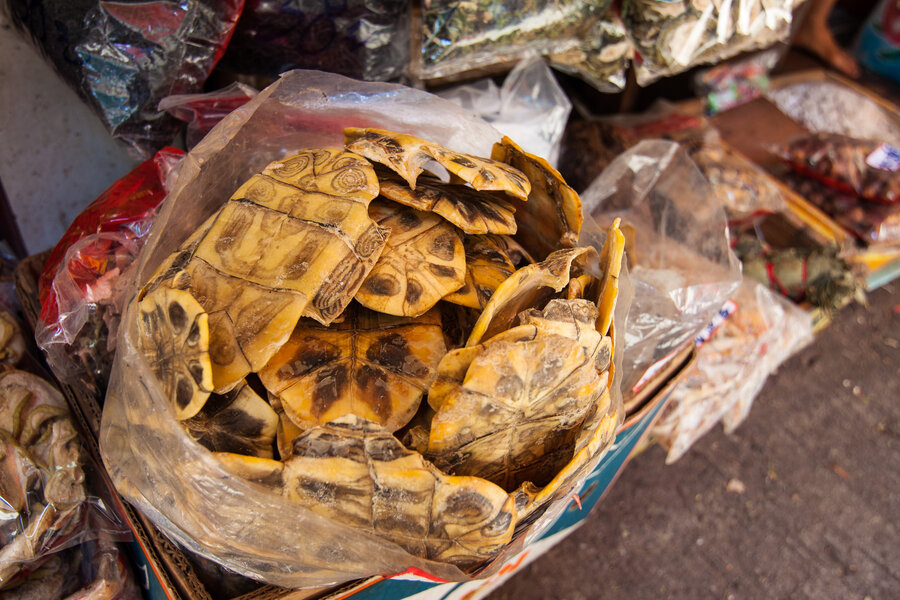
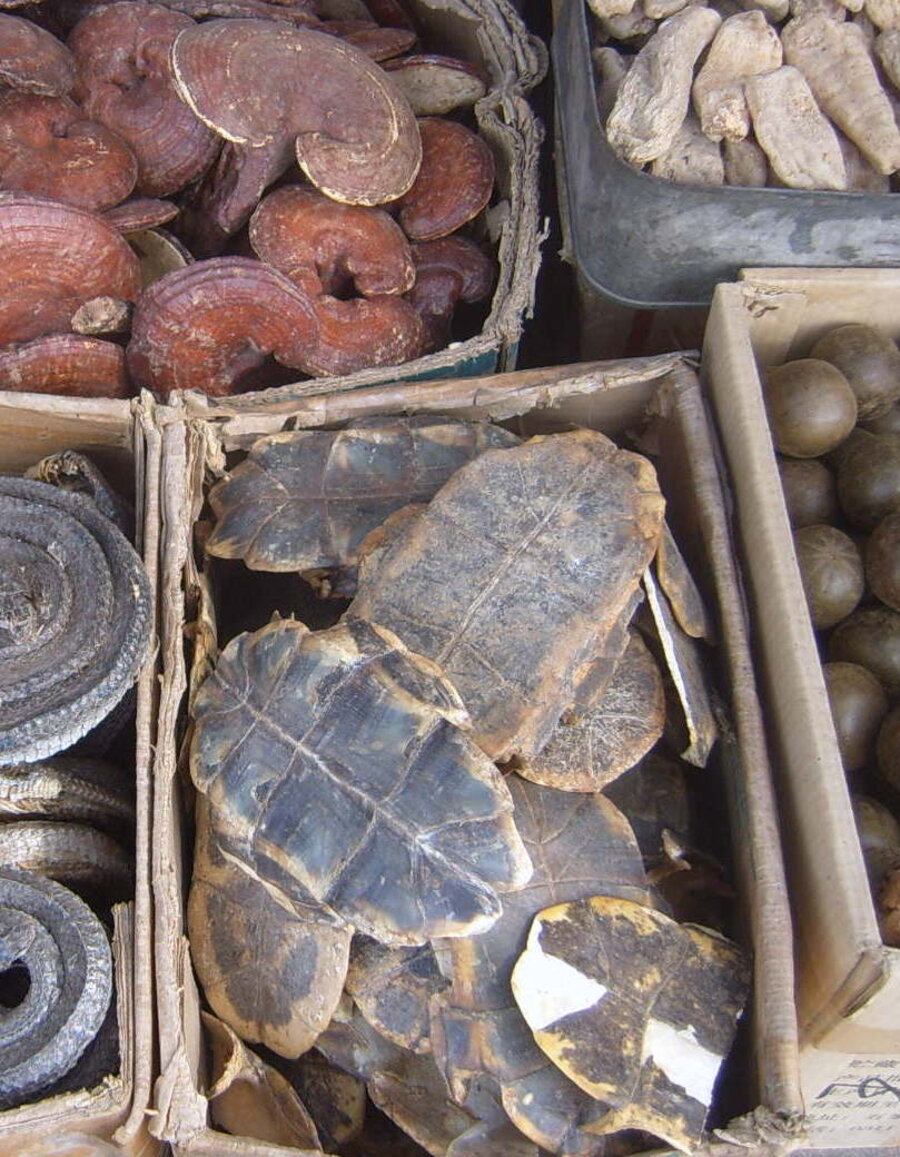
龟甲主产于湖北、湖南、安徽、浙江等地,以养殖乌龟(Chinemys reevesii)的腹甲为道地正品。《本草纲目》载:「龟,甲虫之元也……南方多有之,取其甲,先煎去肉,乃可用。」现代药材来源以规范化养殖场供应为主,龟甲经去肉、清洗、晒干后方可入药,避免野外滥捕以保护野生龟类资源。
Tortoise plastron is primarily produced in Hubei, Hunan, Anhui, and Zhejiang provinces, with the ventral plastron of farmed Chinese pond turtles (Chinemys reevesii) considered the authentic source. The Compendium of Materia Medica records: "The tortoise is foremost among shelled creatures... abundant in the south; its shell is taken, first boiled to remove the flesh, before it can be used." Modern medicinal supply relies primarily on regulated aquaculture farms, with the plastron processed by removing flesh, cleaning, and sun-drying before use, avoiding wild capture to protect natural turtle populations.
龟甲性味咸、甘,微寒,归肝、肾、心经。功能滋阴潜阳、益肾健骨、养血止血,主治阴虚阳亢所致的骨蒸劳热、骨痿腰痛、头晕耳鸣,以及崩漏经多、久嗽虚喘等证。因其性偏寒凝,脾胃虚寒、食少便溏及孕妇均需慎用。
Tortoise plastron is salty and sweet in flavor, slightly cold in nature, and enters the Liver, Kidney, and Heart meridians. It nourishes yin, anchors yang, strengthens kidney and bone, and nourishes blood while stopping bleeding. It is indicated for yin deficiency with yang hyperactivity manifesting as bone-consumption fever, weak bones with lumbar pain, dizziness and tinnitus, as well as excessive uterine bleeding and chronic cough with deficiency wheezing. Due to its cooling nature, it should be used cautiously in cases of spleen-stomach cold deficiency, poor appetite with loose stools, and during pregnancy.
龟甲的传统炮制以「醋炙」法最为常用:将净龟甲砂炒至酥脆后,趁热投入米醋中淬炒,使其质地酥松易于煎出有效成分,同时醋能矫正腥味、增强入肝肾经的功效。炮制后的醋龟甲色泽焦黄、断面呈蜂窝状小孔,是滋阴类方剂中常用的配伍形式。
The most common traditional processing method for tortoise plastron is vinegar-calcining: the cleaned plastron is first sand-fried until crisp, then quenched while hot in rice vinegar, rendering it porous and easier to decoct its active constituents, while the vinegar also masks the fishy odor and enhances its affinity for the Liver and Kidney meridians. The processed vinegar-plastron displays a scorched yellow color with a honeycomb-like porous cross-section, and is a commonly used form in yin-nourishing formulas.
龟甲性偏寒凝,脾胃虚寒、消化不良及孕妇应慎用或禁用,湿盛中满、食少便溏者亦不宜服用。入药所用龟甲须来自合法养殖渠道,严禁使用野生保护龟类,购买时应认准正规药材渠道及检验合格证明。
Due to its cooling nature, tortoise plastron should be used cautiously or avoided by those with spleen-stomach cold deficiency, poor digestion, and during pregnancy; it is also unsuitable for those with excessive dampness, fullness, poor appetite, or loose stools. Plastron used medicinally must originate from legal aquaculture sources—wild protected turtle species must never be used—and buyers should ensure purchases come through regulated pharmaceutical channels with proper quality certification.