磁石
Císhí · 别名玄石、处石
Cishi · Magnetite (Lodestone)
重镇安神 · 聪耳明目 Heavy Sedative & Spirit-Calming · Sharpens Hearing & Vision磁石因具吸铁特性,自古便充满神秘色彩,被视为「石中之王」。《本草纲目》记载古人观察磁石吸铁「隔碗见针」的奇特现象,认为其蕴含「阴阳相召」之理,故取其「重镇」之性用于安神定志。中国古代四大发明之一的指南针,其核心原理正是利用天然磁石(磁勺、司南)的定向特性,磁石因此兼具科技史与医药史的双重意义,是极少数横跨自然科学与传统医学的矿物药材。
Magnetite has been shrouded in mystery since antiquity due to its magnetic property, earning it the title "king of minerals." The Compendium of Materia Medica records ancient observations of magnetite attracting iron "even through a bowl," a phenomenon interpreted as embodying the principle of "yin and yang calling to each other," leading to its use for its heavy, grounding quality in calming the spirit. As the core component of the compass (the "south-pointing spoon" or sinan)—one of ancient China's Four Great Inventions—lodestone's directional properties made it a mineral with dual significance spanning both the history of science and the history of medicine, a rare substance bridging natural science and traditional healing.
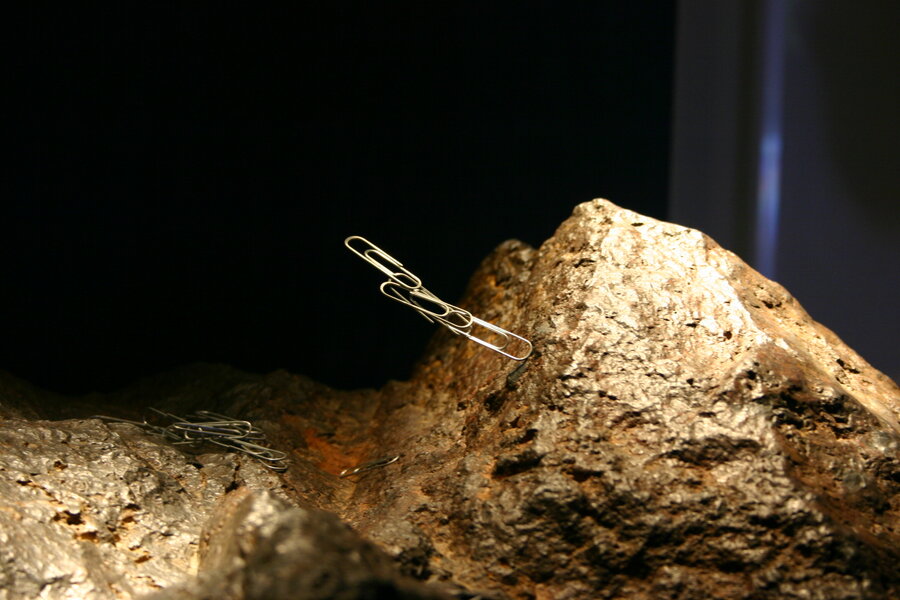
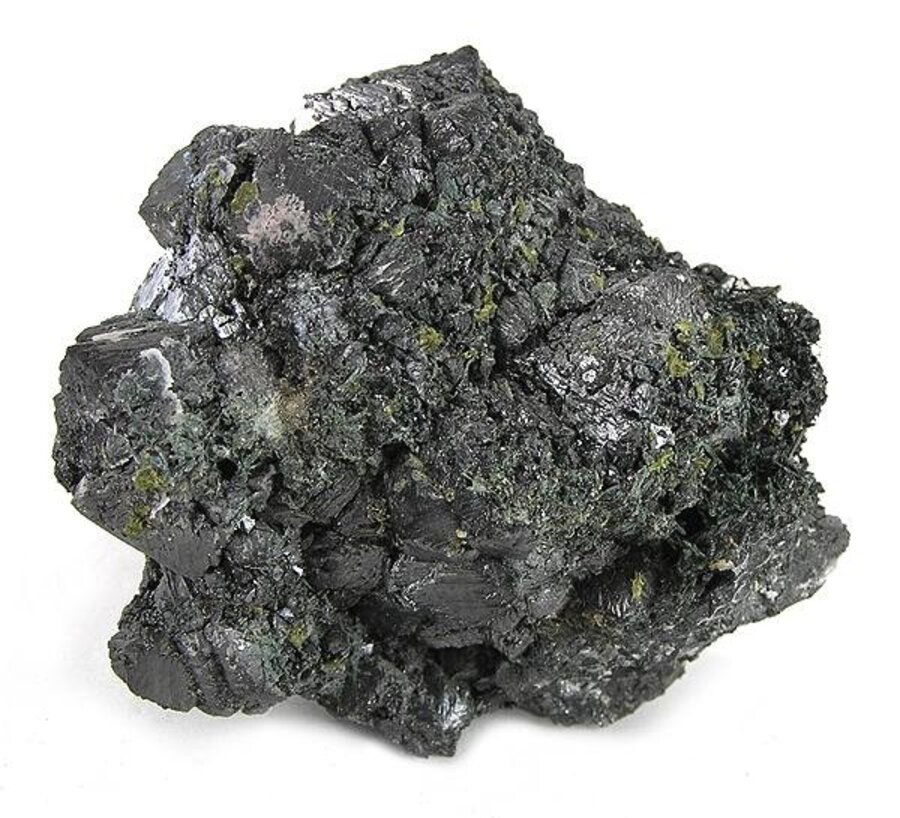
磁石主产于江苏、山东、河北、辽宁等地,为天然磁铁矿石,主要成分为四氧化三铁。《本草纲目》载:「磁石,其石中有孔,孔中有黄赭色氈,可吸铁虚连十数针,或一二斤刀器,回转不落者,尤为真也。」采集时以能吸附铁质、磁性强者为佳品,古法鉴别多以能否吸引铁针悬空不落作为判断磁石真伪与磁性强弱的标准。
Magnetite is primarily produced in Jiangsu, Shandong, Hebei, and Liaoning, occurring as natural magnetite ore composed mainly of iron oxide (Fe3O4). The Compendium of Materia Medica records: "Magnetite contains cavities lined with yellow-ochre felt-like material; genuine specimens can suspend a dozen needles or even a knife weighing one or two catties without dropping them." Quality specimens are selected for strong magnetic attraction to iron, with the traditional authentication method being whether the stone can hold suspended iron needles without releasing them—a practical test of both authenticity and magnetic strength.
磁石性味咸,寒,归肝、心、肾经。功能重镇安神、平肝潜阳、聪耳明目、纳气平喘,主治心神不宁、惊悸失眠、肝阳上亢之头晕耳鸣、视物昏花,以及肾虚气喘等证。因其质重寒凉,脾胃虚弱、消化功能不佳者应慎用,且入煎剂需打碎方能充分释放药效。
Magnetite is salty in flavor, cold in nature, and enters the Liver, Heart, and Kidney meridians. It provides heavy sedation to calm the spirit, settles liver yang, sharpens hearing and vision, and helps receive qi to relieve wheezing. It is indicated for restlessness, palpitations with insomnia, dizziness and tinnitus from liver-yang rising, blurred vision, and wheezing from kidney deficiency. Due to its heavy, cold nature, it should be used cautiously in those with weak spleen-stomach function or poor digestion, and it must be crushed before decoction to fully release its therapeutic effects.
磁石入药需经净选、砸碎、水飞等工序。传统「醋淬法」:将磁石置炉火中煅红,趁热投入米醋中淬炒,反复数次至酥脆易碎,此法可增强其入肝肾经的功效并便于粉碎入药。煅淬后的磁石色泽转黑、质地酥松,多研粉入丸散剂,亦可打碎入煎剂,但须用纱布包煎以防止细小碎屑刺激咽喉。
Magnetite requires cleaning, crushing, and water-levigation before medicinal use. The traditional "vinegar-quenching method" involves heating the mineral red-hot over fire, then quenching it repeatedly in rice vinegar while hot until it becomes crisp and easily crushed—a process that enhances its affinity for the Liver and Kidney meridians and facilitates grinding. The calcined and quenched magnetite turns black and porous, typically ground into powder for pills and powders, or crushed for decoction, though it must be wrapped in gauze when decocted to prevent fine particles from irritating the throat.
磁石性寒质重,脾胃虚寒、消化不良者应慎用,久服可能影响脾胃运化功能,不宜长期大量服用。入煎剂前须充分捣碎并用纱布包裹,避免细碎矿物颗粒直接刺激消化道,服用磁石类药物期间应定期复查,遵医嘱调整剂量与疗程。
Being cold and heavy in nature, magnetite should be used cautiously by those with spleen-stomach cold deficiency or poor digestion, as prolonged use may impair spleen-stomach function and is therefore unsuitable for extended high-dose administration. Before decoction, it must be thoroughly crushed and wrapped in gauze to prevent fine mineral particles from directly irritating the digestive tract. Regular follow-up is advised during use, with dosage and duration adjusted under medical guidance.