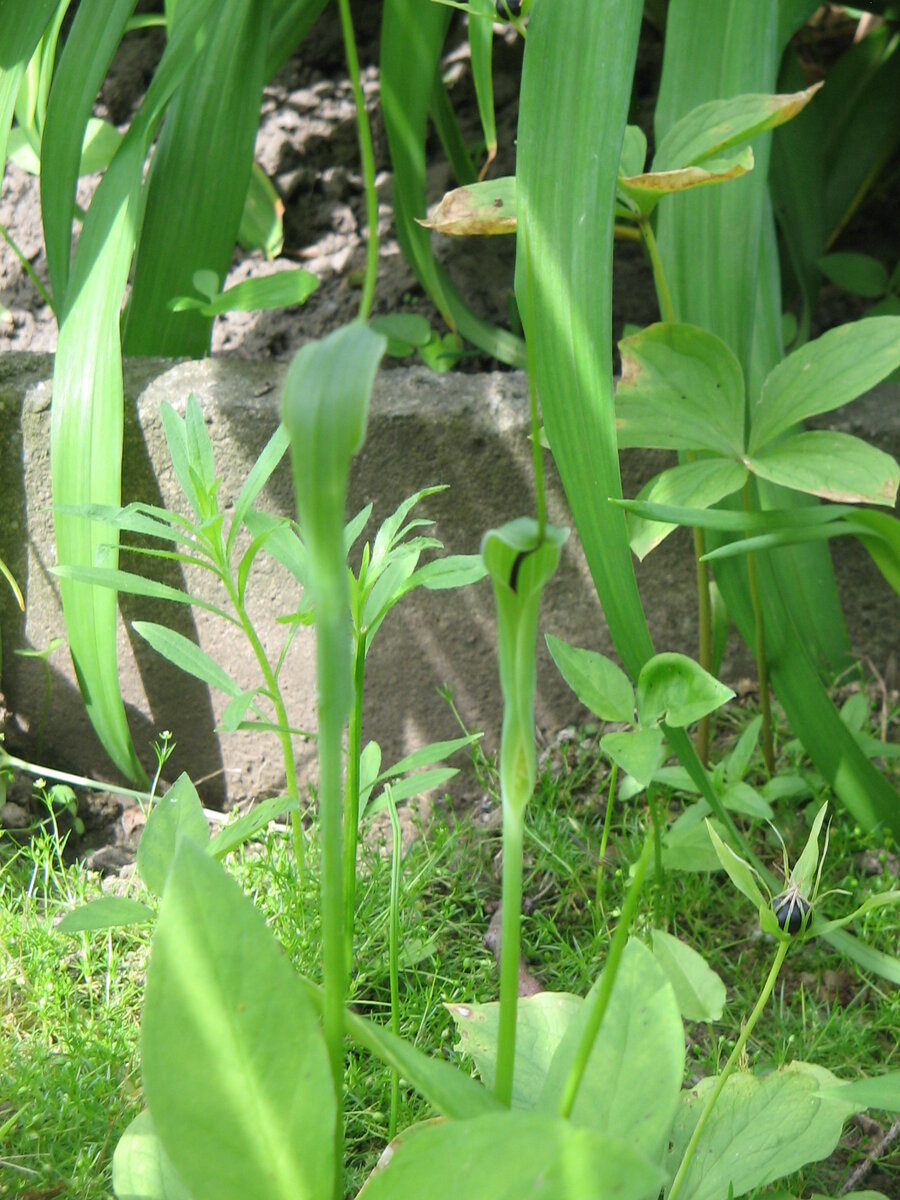
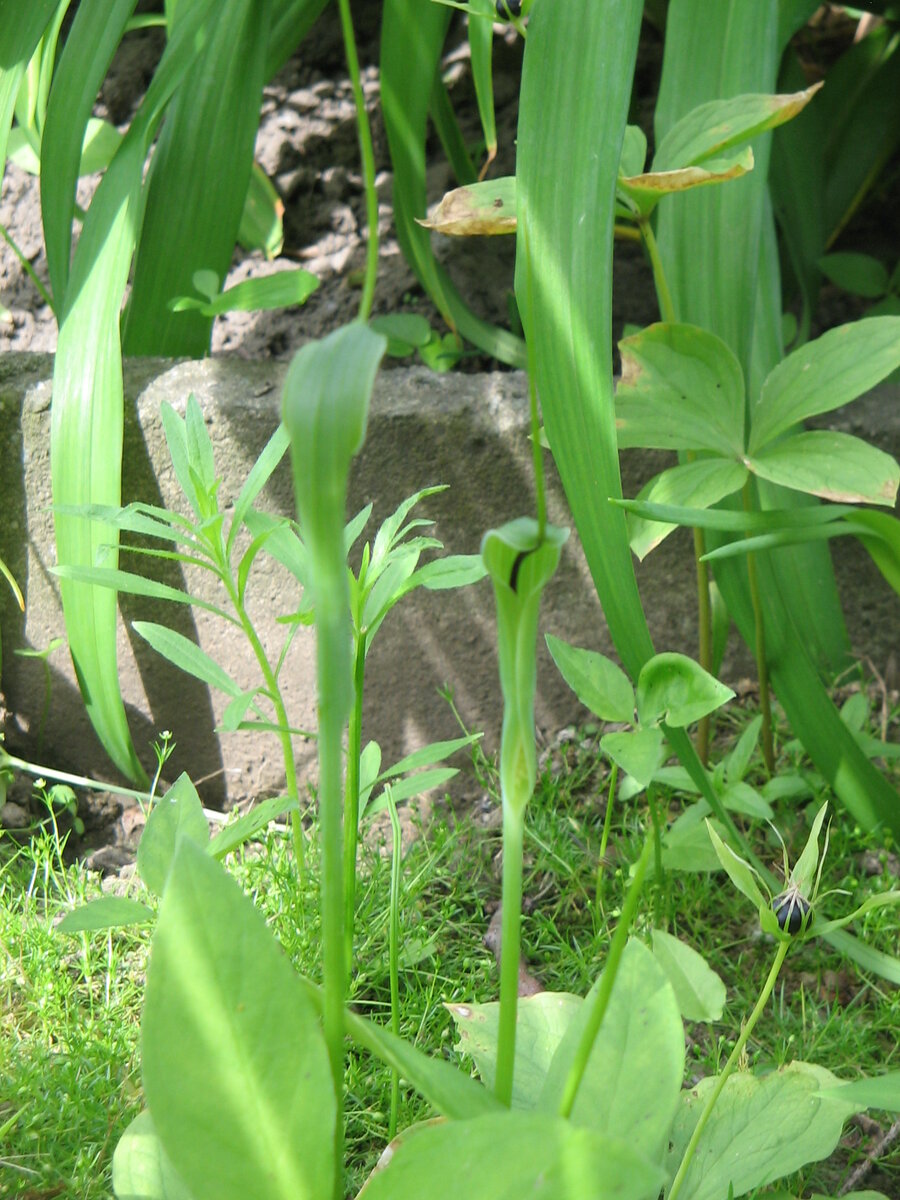
半夏
Bànxià · 别名地文、水玉
Banxia (Pinellia Tuber) · Born at Mid-Summer
降逆止呕 · 化痰散结要药 Reversing Rebellious Qi — The Key Phlegm-Resolving Herb‘半夏’之名源于其多在夏至前后(农历五月)采收,正当‘夏之半也’,《礼记·月令》中已有相关记载。半夏辛温有毒,须经反复炮制去毒方可入药,民间素有‘生半夏戟人咽’之说以警示其毒性。张仲景经方中小半夏汤、半夏泻心汤等广泛应用其降逆止呕、化痰散结之功,是历代医家治疗痰饮呕逆的常用要药。
The name 'banxia' (literally 'half of summer') comes from the fact that it is typically harvested around the summer solstice, in the fifth lunar month — precisely at the middle point of summer, a timing already noted in the ancient Book of Rites. Pungent, warm, and toxic in its raw form, banxia must undergo repeated processing to remove its toxicity before use; a folk saying warns that raw banxia irritates the throat like a spear. Zhang Zhongjing's classical formulas, including the Minor Pinellia Decoction and the Pinellia Heart-Draining Decoction, made extensive use of its power to reverse rebellious qi, stop vomiting, and resolve phlegm masses.
主产于湖北、河南、四川、贵州等地,其中湖北随州(随县)所产半夏个大均匀,习称‘旱半夏’,为道地佳品的代表。
Banxia is grown mainly in Hubei, Henan, Sichuan, and Guizhou. The variety from Suizhou (formerly Suixian) in Hubei, known as 'dry banxia,' is prized for its large, uniform tubers and represents the benchmark of authentic quality.
味辛,性温,有毒,归脾、胃、肺经。
Pungent in flavor, warm in nature, and toxic in its raw state, banxia enters the Spleen, Stomach, and Lung channels.
生半夏有毒,不可直接内服,须以石灰、生姜、甘草等辅料反复浸漂、蒸煮炮制成‘法半夏’‘姜半夏’‘清半夏’等不同炮制品,各具化痰、止呕、降逆等不同功效侧重。
Raw banxia is toxic and must never be taken internally without processing. It is repeatedly soaked and steamed with adjuvants such as lime, fresh ginger, or licorice to produce various processed forms — including law-processed, ginger-processed, and clear-processed banxia — each emphasizing slightly different therapeutic effects.
半夏与川乌、草乌、附子同属‘十八反’配伍禁忌,不可同用;阴虚燥咳、有出血倾向者及孕妇均应慎用生品。
本页内容仅作本草文化与历史文献的呈现,不构成用药建议,具体现代安全性数据请查证 AMMKB 药材知识库。
Banxia is listed among the 'Eighteen Incompatibilities' and must never be combined with chuanwu, caowu, or fuzi. It should be used cautiously, especially in its raw, unprocessed form, by those with yin-deficiency dry cough, bleeding tendencies, or during pregnancy.
This page presents cultural and historical material only, not medical guidance — for current safety data, see the AMMKB Materia Medica Knowledge Base.