全蝎
全虫
Whole Scorpion
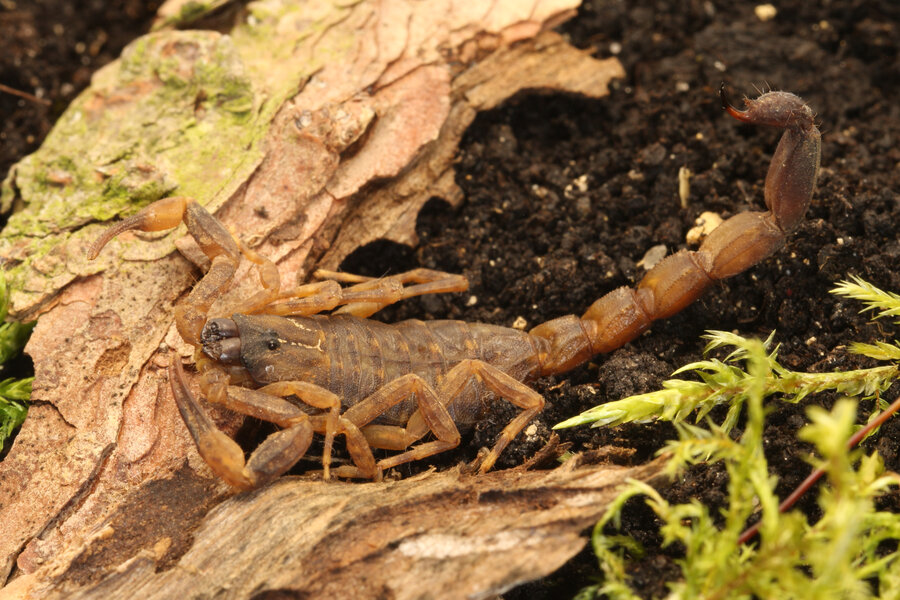
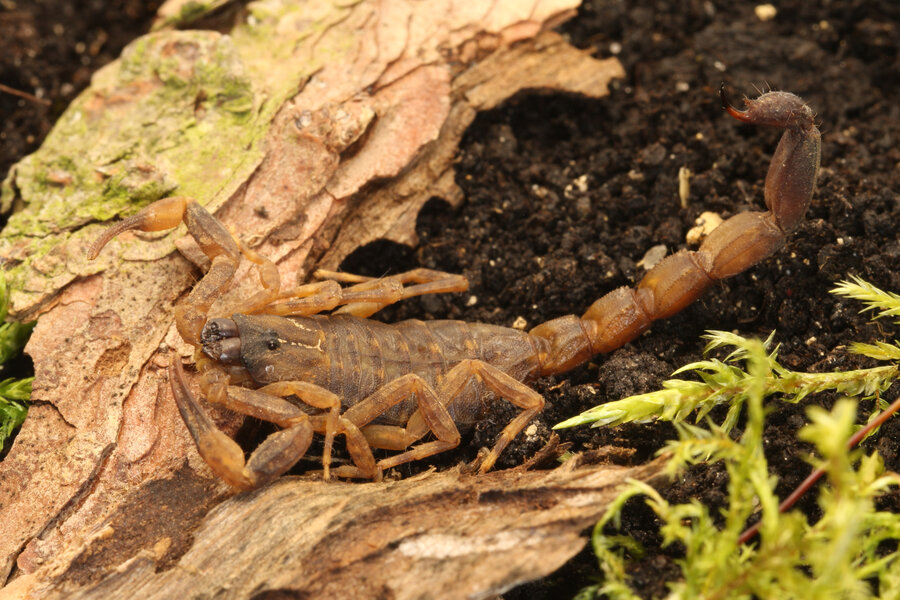
息风镇痉 · 通络止痛 Calms Wind & Stops Convulsion · Frees Channels & Relieves Pain全蝎乃东亚钳蝎的干燥全体,性猛味辛,自古便是'以毒攻毒'理论的典型代表,中医认为其毒性恰能克制人体内的风毒之邪,专治顽固不化的抽搐痉挛。
李时珍在《本草纲目》中详录全蝎入药之法,强调需去除头足毒刺,炮制得当方可入药,这份对'毒'与'药'之间界限的精细把握,正是中医用药智慧的缩影。
The dried whole body of the East Asian scorpion is fierce and pungent by nature, long standing as the classic embodiment of the principle 'toxin against toxin.' Chinese medicine holds that its toxicity precisely counters wind-toxin pathogens within the body, treating stubborn, intractable convulsions.
Li Shizhen meticulously recorded the medicinal preparation of scorpion in the Compendium of Materia Medica, emphasizing that the head, legs, and venomous stinger must be removed and properly processed before use—this careful discernment between 'poison' and 'medicine' epitomizes the wisdom of Chinese pharmacology.
小儿惊风、破伤风、中风后遗症所致的口眼歪斜与肢体抽搐,全蝎与蜈蚣配伍成'止痉散',被历代医家视为治疗风痉重症的看家方剂。
民间流传'蝎子过处,风邪自散'的说法,虽带夸张色彩,却也反映出百姓对这枚小小毒虫治疗顽固风证的深切信赖。
For infantile convulsions, tetanus, and the facial distortion and limb spasms following stroke, scorpion paired with centipede forms the formula 'Zhijing San' (Convulsion-Stopping Powder), regarded by physicians through the ages as a mainstay prescription for severe wind-convulsion disorders.
A folk saying holds that 'wherever the scorpion passes, wind pathogens scatter of their own accord.' Though exaggerated, it reflects the deep trust ordinary people placed in this small venomous creature for treating stubborn wind disorders.
山东、河南等地自古有专门养殖全蝎供药用的传统,蝎农深夜提灯捕蝎,因其昼伏夜出的习性,捕蝎往往要等到月黑风高之时才有收获。
如今全蝎人工养殖已形成规模产业,从野外捕捉到温室繁育,这份转变既保障了药材供应,也让这门古老的'夜猎'手艺渐渐淡出人们的视野。
Regions such as Shandong and Henan have long maintained traditions of scorpion farming for medicinal use. Scorpion farmers carry lanterns into the night to catch them, for the creatures are nocturnal by nature—harvests often come only under moonless, windy skies.
Today, scorpion farming has grown into a sizable industry, shifting from wild capture to greenhouse breeding. This transformation has secured the medicinal supply, even as the ancient craft of 'night hunting' gradually fades from view.
全蝎入药必须严格控制剂量,稍有过量便可致中毒,这份'药三分毒'的警示,在全蝎身上体现得尤为直接,炮制师傅常说'蝎子这味药,差一分都不行'。
现代药理研究发现,蝎毒中的多肽成分具有镇痛、抗肿瘤等潜在价值,这份延续千年的'毒药'智慧,正在被现代科学重新审视与发掘。
Scorpion medicine demands strict dosage control; even a slight excess can cause poisoning. The warning that 'every medicine carries some toxicity' is nowhere more directly embodied than in the scorpion—processing masters often say, 'with scorpion, not even a fraction can be spared.'
Modern pharmacological research has found that peptide components in scorpion venom hold potential analgesic and anti-tumor value—this millennia-old wisdom of 'poison as medicine' is now being re-examined and explored through the lens of modern science.
全蝎与蜈蚣、僵蚕并称'虫类三宝',中医认为虫类药材善于'走窜',能深入经络血脉,搜剔潜藏的风痰瘀毒,这份独特功效是草木药材难以替代的。
从最初令人畏惧的毒虫,到本草柜中不可或缺的一味,全蝎的身份转变正是中医药'化毒为药'这一古老智慧最生动的注脚。
Scorpion, centipede, and stiff silkworm are together called the 'three treasures of insect medicine.' Chinese medicine holds that creatures of this class excel at 'traversing and penetrating,' able to reach deep into the channels and vessels to root out hidden wind, phlegm, and stasis-toxin—an efficacy that plant-based herbs find hard to replicate.
From a creature once feared as venomous vermin to an indispensable entry in the apothecary's cabinet, the scorpion's transformed identity stands as the most vivid footnote to the ancient wisdom of Chinese medicine: 'transforming poison into medicine.'