猴头菇
猴头菌 / 刺猴头
Lion's Mane Mushroom
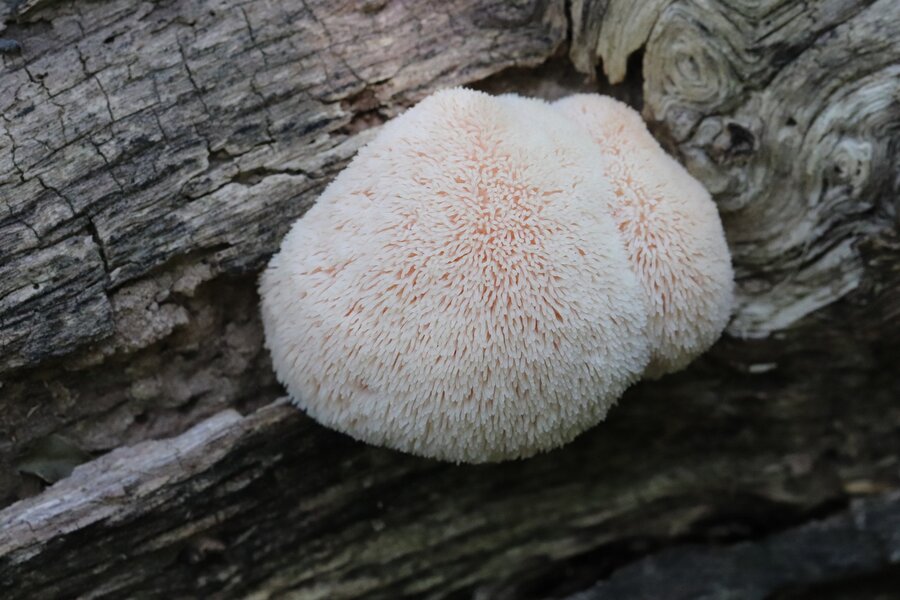
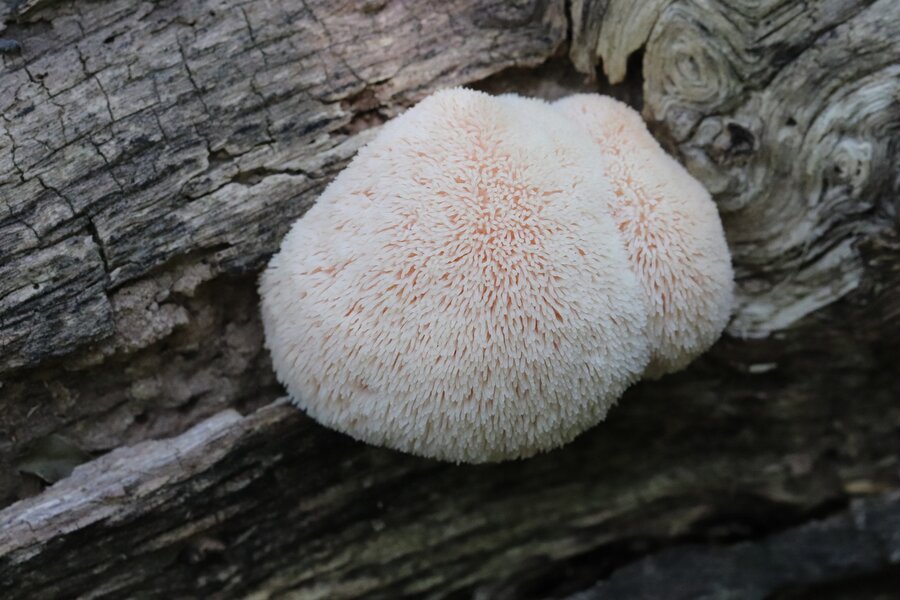
健脾养胃 · 益气安神 Fortifying the Spleen and Stomach · Boosting Qi and Calming the Spirit猴头菇因其子实体表面密生细长肉刺,蓬松卷曲,形似蹲坐山间的猿猴之首,故得'猴头'之名,古时樵夫在深山老林采得,视为珍稀山货。
因外形奇特罕见,猴头菇在民间又称'猴头菌'、'刺猴头',与熊掌、海参、鱼翅并列,被历代厨家誉为'四大山珍'之一,足见其在饮食文化中的尊贵地位。
The fruiting body of Hericium erinaceus is covered in dense, slender, shaggy spines that curl and cascade, resembling the head of a crouching monkey — hence its name. Woodcutters who found it deep in the old forests treasured it as a rare mountain delicacy.
Owing to its striking and uncommon form, it is also known by folk names such as 'monkey-head fungus' or 'spiny monkey-head.' Ranked alongside bear paw, sea cucumber, and shark fin, it has long been celebrated by chefs as one of the 'Four Treasures of the Mountains,' a testament to its exalted place in culinary culture.
猴头菇性平味甘,自古被认为能健脾养胃、助消化,民间常用以炖汤调理脾胃虚弱、食欲不振之症,是一味药食同源的温和滋补之品。
现代医家亦常以猴头菇配伍党参、白术等健脾药材,用于慢性胃炎、胃溃疡的调养,取其甘平养胃、不伤正气的特点。
Neutral in nature and sweet in flavor, lion's mane has long been believed to fortify the spleen and stomach and aid digestion. Folk practice commonly simmers it into soups to remedy spleen deficiency and poor appetite, making it a gentle tonic that bridges medicine and food.
Contemporary practitioners often pair lion's mane with spleen-fortifying herbs such as codonopsis and atractylodes to manage chronic gastritis and peptic ulcers, valuing its sweet, neutral nature that nourishes the stomach without depleting the body's vital energy.
除健脾之外,猴头菇亦有益气安神之效,古人认为久食可令人心神安定、精力充沛,故常作为体虚劳倦者的调补佳品。
在山野人家的食俗中,猴头菇炖鸡或猴头菇炖排骨常被视为冬季进补的家常药膳,既能饱腹御寒,又暗合'以食养身'的古老智慧。
Beyond fortifying the spleen, lion's mane is also credited with boosting qi and calming the spirit. The ancients believed that prolonged consumption could steady the mind and restore vigor, making it a favored tonic for those weakened by fatigue and overwork.
Among mountain households, lion's mane stewed with chicken or pork ribs is a common winter tonic dish, one that both wards off the cold and quietly embodies the ancient wisdom of 'nourishing the body through food.'
野生猴头菇多生于深山栎树、胡桃树的枯木或伤口处,采集不易,古时多在秋季雨后寻觅,采回后需及时晾晒或烘干,方能久藏不坏。
如今猴头菇已可人工栽培,产量大增,但老药工仍偏爱野生者,认为其肉质更厚、药力更醇,炮制时多整朵晒干或切片备用。
Wild lion's mane mushrooms typically grow on the dead wood or wounds of oak and walnut trees deep in the mountains, and were never easy to gather. In earlier times, foragers searched after autumn rains, and the harvested fungus had to be promptly sun-dried or oven-dried to preserve it for long storage.
Today lion's mane can be cultivated, greatly increasing its supply, yet veteran herbalists still favor the wild variety, believing its flesh to be thicker and its medicinal potency purer. In processing, it is usually dried whole or sliced for later use.
现代研究发现猴头菇富含多糖类成分,对胃黏膜有一定保护作用,故常被用于辅助调理慢性萎缩性胃炎,这与古人'健脾养胃'之说不谋而合。
此外,猴头菇提取物在神经健康领域亦受到关注,被认为可能有助于维持认知功能,为这味传统山珍增添了新的现代意义。
Modern research has found that lion's mane is rich in polysaccharides that offer a degree of protection to the gastric mucosa, and it is often used to support the management of chronic atrophic gastritis — a finding that echoes the ancient claim of 'fortifying the spleen and stomach.'
In addition, extracts of lion's mane have drawn attention in the field of neurological health, believed to help support cognitive function — lending this traditional mountain treasure new significance in the modern age.