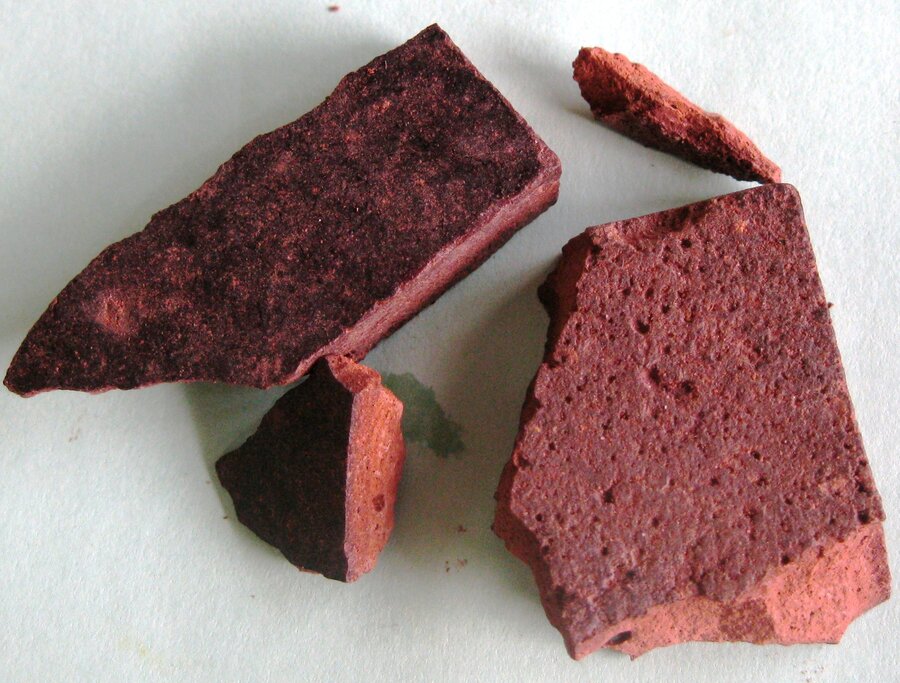
儿茶
孩儿茶 / 乌爹泥
Catechu
活血止血 · 收湿敛疮 Invigorating Blood and Stopping Bleeding · Absorbing Dampness and Astringing Sores儿茶因其经熬煮浓缩后质地如孩儿肌肤般细腻润泽而得名,古人又称其'孩儿茶',是取孩儿皮肤的柔嫩比拟其膏状质地的形象命名。
儿茶由孩儿茶树(Senegalia catechu,即豆科儿茶属乔木)的心材经反复煎煮、浓缩、冷凝而成,因其原产南洋及印度,古时亦称'乌爹泥',是海外贸易舶来的重要药材之一。
Catechu is named for its fine, smooth texture after being boiled and concentrated, resembling the delicate skin of a child — hence the ancients also called it 'child's tea,' a name drawn from the image of a child's tender skin to describe its paste-like texture.
Catechu is produced from the heartwood of the catechu tree (Senegalia catechu, a leguminous tree of the genus Senegalia) through repeated boiling, concentration, and solidification. Originating in the South Seas and India, it was also historically called 'wudiaoni' in Chinese — an important medicinal material brought in through overseas trade.
《本草纲目拾遗》记载儿茶'苦涩,能生肌止血,敛疮收口',古时医家常以其研末外敷跌打损伤、金创出血之处,取其止血生肌之效迅捷。
古时行伍武人随身携带儿茶粉,一旦受伤出血,即刻取用外敷止血,因其效验显著,被视为伤科外治的珍贵药材。
The Bencao Gangmu Shiyi records that catechu is 'bitter and astringent, able to generate flesh and stop bleeding, astringe sores and close wounds.' Physicians of old commonly ground it into powder for external application to bruising injuries and bleeding wounds from blades, valuing its rapid hemostatic and flesh-generating effects.
Soldiers of old traditionally carried catechu powder with them; once wounded and bleeding, they would apply it externally at once to stop the bleeding. Because of its remarkable effectiveness, it was regarded as a precious medicinal material in the external treatment of trauma.
儿茶性凉质涩,兼有收湿敛疮之效,古时医家常用其治疗湿疹溃烂、口疮舌炎等症,将其研末外撲或含化,取其收敛消炎之性。
民间还有将儿茶配伍冰片、麝香等制成外用散剂,用于口腔溃疡、咽喉肿痛之症的经验,是流传已久的传统验方。
Cool and astringent in nature, catechu also absorbs dampness and astringes sores. Physicians of old commonly used it to treat weeping eczema, mouth ulcers, and glossitis, grinding it into powder for external dusting or holding it in the mouth, drawing on its astringent, anti-inflammatory quality.
Folk practice also includes combining catechu with borneol and musk to make an external powder for treating oral ulcers and swollen, painful throats — a long-standing traditional formula.
儿茶的制作须先将儿茶树心材劈碎,加水反复煎煮,取其浓缩汁液再经日晒浓缩,最终凝结成黑褐色膏块,方为成品。
老药工鉴别儿茶讲究'质细腻、色黑褐、味苦涩而后微甘',认为质地愈细腻、味道层次愈丰富者品质愈佳,这一经验标准延续至今。
The production of catechu requires first splitting the heartwood of the catechu tree into pieces, boiling it repeatedly in water, then taking the concentrated liquid and further reducing it under the sun until it solidifies into a dark brown paste-like block, which is the finished product.
Veteran herb dealers judge quality catechu by the standard 'fine texture, dark brown color, bitter and astringent taste followed by a faint sweetness,' believing that the finer the texture and the richer the layered flavor, the higher the quality — a standard that continues to this day.
现代化学证实儿茶富含儿茶素等鞍酸类成分,具有显著的抗菌、收敛、抗氧化作用,与古人'止血敛疮'之说相互印证,也让这味南药在现代口腔护理及外用制剂中仍备受关注。
如今儿茶仍是印度及东南亚传统医学中广泛使用的药材,同时也被用作天然染料及口香糖添加剂,是一味兼具药用与工艺价值的跨文化药材。
Modern chemistry has confirmed that catechu is rich in catechin and other tannin-related compounds, possessing significant antibacterial, astringent, and antioxidant properties — corroborating the ancient claim of 'stopping bleeding and astringing sores,' and keeping this southern herb of considerable interest in modern oral care and external preparations.
Today, catechu remains a widely used medicinal material in Indian and Southeast Asian traditional medicine, and is also used as a natural dye and chewing gum additive — a cross-cultural medicine of both pharmaceutical and craft value.