血竭
麒麟竭 / 木血竭
Dragon's Blood
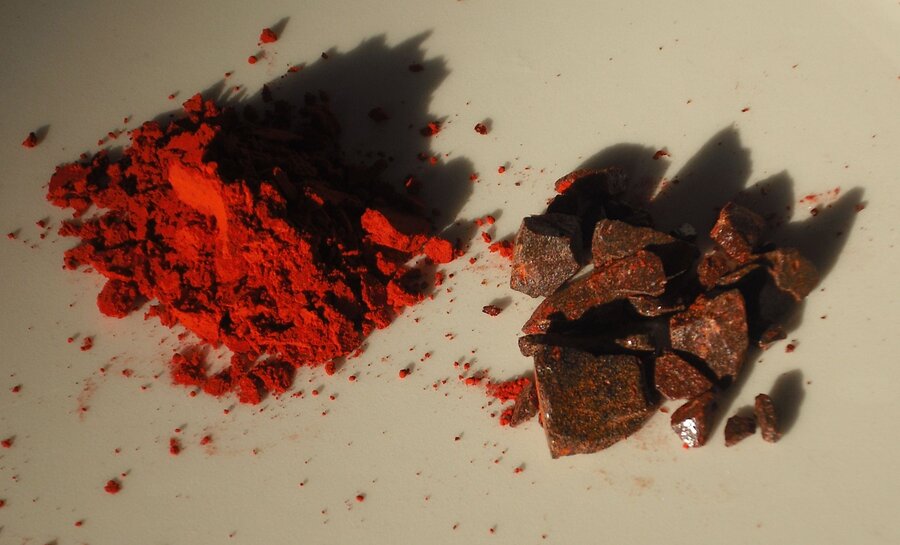
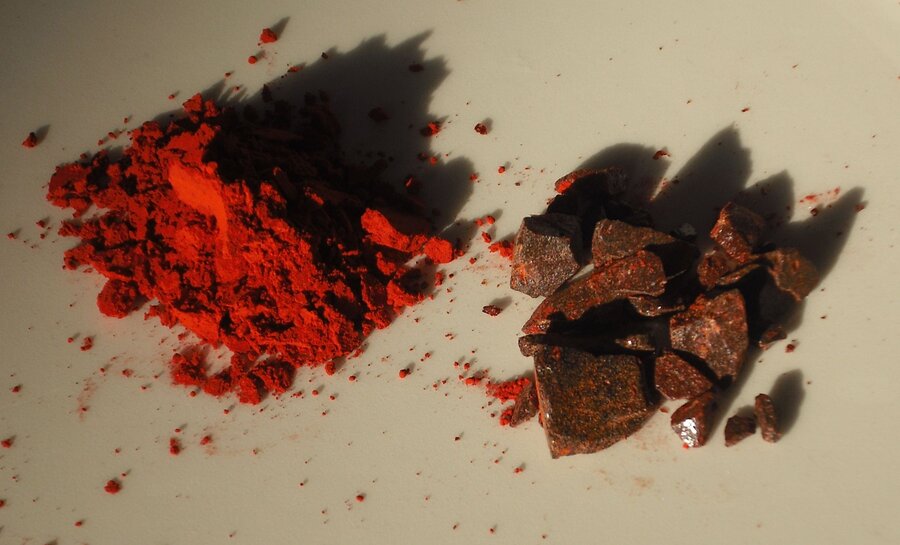
活血定痛 · 化瘀止血 Invigorating Blood and Stilling Pain · Transforming Stasis and Stopping Bleeding血竭为棕榈科麒麟竭属藤本植物(Daemonorops draco)果实及茎干所渗出的树脂,因其色泽鲜红如凝血而得名,古人又以传说中的祥兽'麒麟'为其命名,称为'麒麟竭',意指其珍贵难得。
西方本草中亦称其为'Dragon's Blood'(龙血),东西方文化在这味树脂药材的命名上,皆不约而同地借用了神话中巨兽的意象,是本草文化跨地域共通性的有趣例证。
Dragon's blood is the resin exuded from the fruit and stem of a rattan palm vine (Daemonorops draco) of the palm family. It is named for its color, as vivid red as congealed blood. The ancients also named it after the mythical auspicious beast 'qilin,' calling it 'qilin's tribute,' signifying its rarity and preciousness.
In Western herbal tradition it is likewise called 'Dragon's Blood.' That East and West both independently borrowed the imagery of a mythical giant beast in naming this resin is a fascinating example of the cross-cultural commonality found in herbal traditions.
《本草纲目》记载血竭'甘咳而平,散瘀止痛,为跌打损伤第一要药',古时武人行伍受伤后,常以血竭粉外敷或内服,取其活血化瘀、止痛生肌之效。
民间伤科郎中视血竭为'压箱底'的珍贵药材,遇跌打损伤、瘀血肿痛之急症,即刻取用,因其价格昂贵、疗效显著,素有'伤科圣药'之誉。
The Bencao Gangmu records that dragon's blood is 'sweet and pungent, neutral in nature, dispersing stasis and stopping pain, the foremost remedy for bruising injuries.' Soldiers of old, once wounded, commonly applied dragon's blood powder externally or took it internally, drawing on its ability to invigorate blood, transform stasis, stop pain, and generate flesh.
Folk traumatology healers regarded dragon's blood as a treasured 'bottom-of-the-chest' medicine, applying it immediately upon encountering emergencies of bruising injury and swollen, painful stasis. Because of its high price and remarkable efficacy, it has long enjoyed the reputation of a 'sacred remedy in traumatology.'
血竭兼有化瘀止血之效,古时医家常将其研末外敷创口,取其收敛止血、促进愈合之性,尤其对刀伤、箭伤等急性外伤出血效果显著。
血竭亦常配伍乳香、没药等南药同用,制成'七厘散'等经典外伤方剂,是传统伤科'活血止血'并重治法的典范之作。
Dragon's blood also transforms stasis and stops bleeding. Physicians of old commonly ground it into powder for external application to wounds, drawing on its astringent, hemostatic, healing-promoting quality, with particularly notable effect on acute bleeding from blade or arrow wounds.
Dragon's blood is also commonly combined with frankincense and myrrh to formulate classic traumatology preparations such as 'Qili San,' embodying the traditional traumatology principle of treating with equal weight given to both invigorating blood and stopping bleeding.
血竭原植物多生于东南亚热带雨林之中,藤本植物果实表面渗出的树脂经采集、熬炼、凝固后即为血竭,其采集过程艰辛,产量有限,故自古便是珍贵的南药进口商品。
老药工鉴别血竭讲究'色赤如血、火燃有香、入水不溶',这一经验性鉴别标准延续至今,仍是判断血竭真伪与品质的重要依据。
The plant from which dragon's blood is sourced grows mostly in the tropical rainforests of Southeast Asia. The resin exuding from the surface of the vine's fruit is collected, refined by boiling, and solidified to become dragon's blood. The harvesting process is arduous and yields are limited, making it a precious imported southern medicine since ancient times.
Veteran herb dealers judge quality dragon's blood by the standard 'red as blood in color, fragrant when burned, insoluble in water' — an experiential criterion that continues to this day as an important basis for judging its authenticity and quality.
现代研究发现血竭中含有血竭红素等成分,具有一定的抗炎、抗菌、促进伤口愈合的作用,与古人'活血止痛、化瘀止血'之说相互印证。
如今血竭仍是中成药'七厘散''云南白药'等经典伤科制剂的重要原料,这味来自热带雨林的珍贵树脂,在现代医药工业中依然延续着它跨越千年的传奇。
Modern research has found that dragon's blood contains compounds such as dracorhodin, which possess certain anti-inflammatory, antibacterial, and wound-healing-promoting properties — corroborating the ancient claim of 'invigorating blood to still pain, transforming stasis to stop bleeding.'
Today, dragon's blood remains an important ingredient in classic traumatology preparations such as 'Qili San' and 'Yunnan Baiyao.' This precious resin from the tropical rainforest continues its thousand-year-old legend within the modern pharmaceutical industry.