ANACMS · 药酒文化
← 返回展馆

药酒文化 · 拾壹

Medicinal Wine Culture

CLASSICAL SOURCES, TRADITIONAL CRAFT

百药之长,医道相承

The foremost of all medicines

《汉书·食货志》称"酒,百药之长"。从殷墟酿酒陶缸的考古印证,到《黄帝内经》的醪醴专论,再到《金匮要略》的方剂命名传统,酒始终以独特的双重身份——药引与药剂——贯穿在中医理论与实践之中。以下按酒之肇始、经典中的酒、药酒方剂、传统技艺四个单元,逐一呈现典籍出处与历史脉络。本厅所述均为历史文化梳理,不构成对具体药酒产品现代功效的判断。

The Book of Han calls wine "the foremost of all medicines." From archaeological evidence of Shang-dynasty wine vessels, to the dedicated discussion of medicinal wine in the Yellow Emperor's Inner Canon, to the naming conventions recorded in the Essentials of the Golden Cabinet, wine has held a dual role — as both a medium and a medicine — throughout the history of Chinese medicine. This hall presents four units: the origins of wine, wine in the classics, medicinal wine formulas, and traditional craft. It offers historical and cultural context only, and does not judge the modern efficacy of any specific product.

以下内容为药酒典籍脉络与传统工艺的历史文化梳理,不对具体药酒产品的现代功效作出判断;酒类产品的生产与销售另受相关法规监管,请以官方规定为准。

The following is a historical and cultural account and does not make claims about the modern efficacy of any specific product; the production and sale of alcoholic products are separately regulated, and official regulations should be consulted.

酒之肇始 · Origins 经典中的酒 · In the Classics 药酒方剂 · Formulas 传统技艺 · Craft

酒之肇始

Origins

TWO RECORDS
1

仪狄造酒:上古传说里的起源叙事

Yidi's Wine: A Legendary Origin Story

The Legend of Yidi 《战国策》记载 Recorded in the Strategies of the Warring States
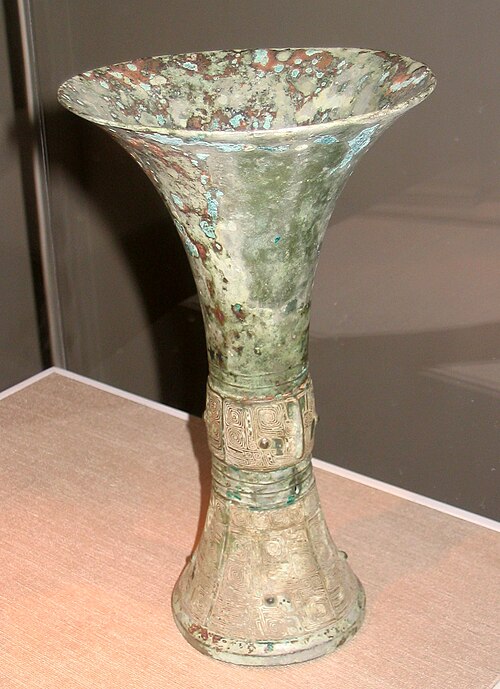
商代青铜盛酒器

图片来源:Wikimedia Commons · 史密森尼赛克勒美术馆藏,CC BY-SA 3.0

典籍记载

Classical Record

"帝女令仪狄造酒,进之于禹。"——《战国策》
"The emperor's daughter ordered Yidi to make wine, and presented it to Yu." — Strategies of the Warring States

这个传说虽难以考证真伪,却在后世文化中被反复引用,成为解释"酒从何而来"的经典叙事之一。

Though difficult to verify historically, this legend has been repeatedly cited in later culture as a classic account of wine's origin.

考古印证

Archaeological Evidence

殷墟遗址出土了大量陶制与青铜酒器,证明至少在殷商时期酿酒已是相当成熟的技艺,在宫廷与祭祀活动中占据重要地位。

Excavations at the Yin ruins have uncovered large numbers of pottery and bronze wine vessels, confirming that winemaking was already a mature craft by the Shang dynasty.

出处:《战国策》;殷墟考古发掘资料。 Sources: Strategies of the Warring States; archaeological records from the Yin ruins excavations.
2

先秦酒事:从祭祀用品到医家视野

Pre-Qin Wine: From Ritual Vessel to Medical Attention

Wine in the Pre-Qin Era 先秦时期 Pre-Qin period
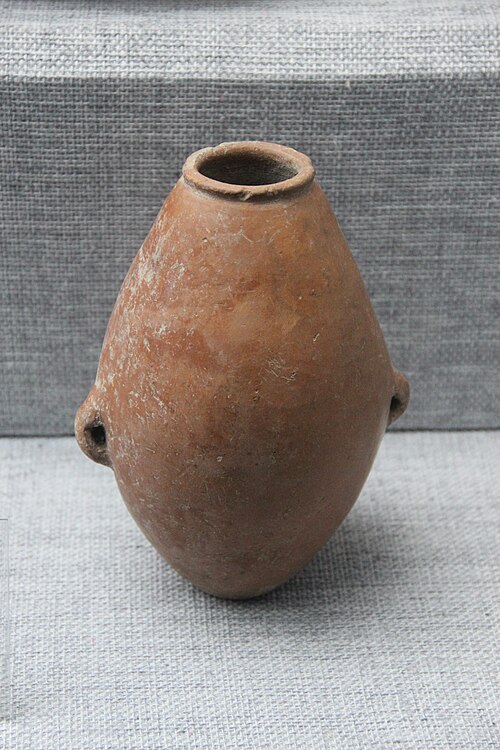
仰韶文化陶罐

图片来源:Wikimedia Commons · 新石器时代文物,公共领域

典籍记载

Classical Record

先秦时期,随着中医理论体系的初步成型,酒开始从单纯的饮品与祭祀用品,逐渐被纳入医家的视野
As Chinese medical theory began to take shape in the pre-Qin era, wine gradually moved from being purely a beverage and ritual item into the attention of physicians

这也为后世酒与医的深度结合,埋下了最初的种子。

This planted the earliest seeds for the later deep integration of wine and medicine.

历史脉络

Historical Context

这一转变过程,说明中医理论体系确立之初,酒的角色已经不再局限于单纯的饮用,而是逐渐被赋予了医疗层面的意义。

This shift shows that from the founding of Chinese medical theory, wine's role was no longer limited to simple consumption but began to acquire medical significance.

出处:先秦典籍及后世医史文献整理。 Sources: Compiled pre-Qin classical texts and later medical history literature.

经典中的酒

In the Classics

TWO RECORDS
3

《汤液醪醴论》:酒入医经的正式确立

The Treatise on Laoli: Wine Enters the Medical Classics

Discourse on Decoctions and Sweet Wine 《黄帝内经·素问》 Yellow Emperor's Inner Canon · Basic Questions
建议配图

典籍记载

Classical Record

《素问·汤液醪醴论》专篇讨论"醪醴",即早期意义上的药酒
A dedicated chapter, "Discourse on Decoctions and Sweet Wine," discusses "laoli" — an early form of medicinal wine

这篇文献的存在说明,在中医理论体系确立之初,酒就已经被纳入了严肃的医学讨论范畴。

This text shows that wine was included in serious medical discussion from the very founding of Chinese medical theory.

后续发展

Later Development

《五十二病方》记载逾35个用酒方子,其中至少5个被后世医家认定为真正的药酒配方,用于治疗蛇伤、疽疮、疥瘙等病症。

The Fifty-Two Prescriptions records over 35 wine-based formulas, at least five of which were later recognized as genuine medicinal wine recipes for treating snakebite, sores and skin ailments.

出处:《黄帝内经·素问》;《五十二病方》。 Sources: Yellow Emperor's Inner Canon, Basic Questions; Fifty-Two Prescriptions.
4

红蓝花酒:张仲景确立的命名传统

Safflower Wine: A Naming Tradition Established by Zhang Zhongjing

Safflower Wine 《金匮要略》· 东汉 Essentials of the Golden Cabinet · Eastern Han
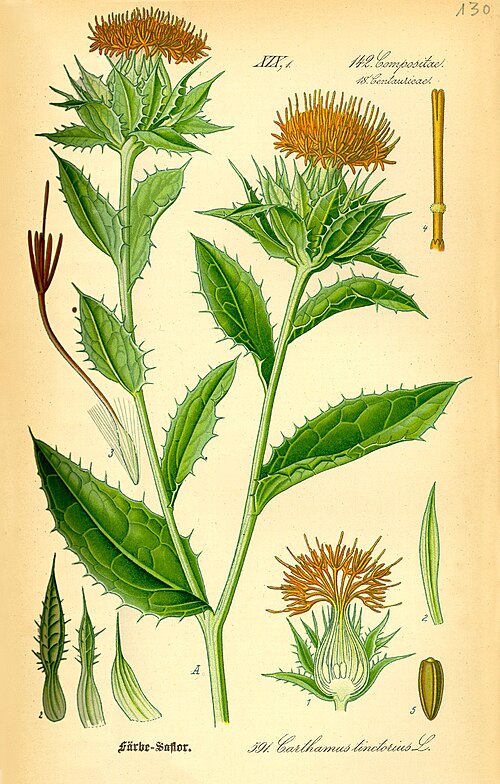
红花

图片来源:Wikimedia Commons · 1885年《德国、奥地利、瑞士植物志》插图,公共领域

典籍记载

Classical Record

《金匮要略》记载的"红蓝花酒",是后世药酒命名传统的一个典范
The "safflower wine" recorded in the Essentials of the Golden Cabinet exemplifies the later naming tradition for medicinal wines

先秦及汉代时期形成的药酒命名方式,大多以单味药材或方中主药的名称来命名药酒。

Medicinal wines from the pre-Qin and Han periods were typically named after a single herb or the principal ingredient of the formula.

应用媒介

Wine as Medium

《伤寒论》的许多方剂里,酒也常作为"送服"药物的媒介,借助其温通血脉的特质,帮助药力更好地布散周身。

In many formulas of the Treatise on Cold Damage, wine also served as a medium for taking medicine, its warming and circulating properties believed to help disperse the medicine's effect.

出处:《金匮要略》;《伤寒论》。 Sources: Essentials of the Golden Cabinet; Treatise on Cold Damage.

药酒方剂

Formulas

TWO ASPECTS
5

命名传统:以主药之名,成方剂之名

Naming Tradition: Named After the Principal Herb

Naming Conventions 先秦至汉代 Pre-Qin to Han dynasty
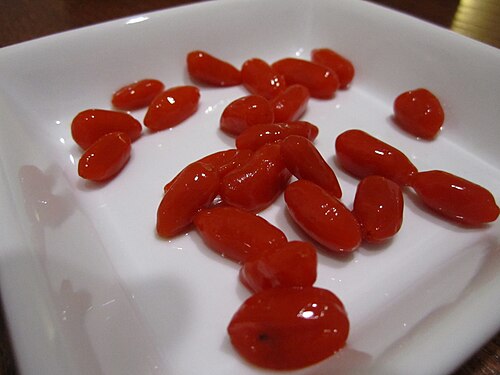
枸杞

图片来源:Wikimedia Commons · 作者 GiryaGirl,CC BY-SA 3.0

典籍记载

Classical Record

先秦及汉代时期形成的药酒命名方式,大多以单味药材或方中主药的名称来命名药酒
Medicinal wines from the pre-Qin and Han periods were typically named after a single herb or the principal ingredient of the formula

"红蓝花酒"正是这一传统的典型代表,这种命名方式简洁直观,一直延续影响到后世历代药酒的命名习惯。

"Safflower wine" exemplifies this tradition — a simple, direct naming approach that continued to influence later generations.

功能分类

Functional Categories

历代药酒大致可分为三类应用形式:药材直接泡酒(如枸杞酒)、以酒送服药物、以及酒剂炮制——酒在中药炮制工艺中用于处理药材,是传统中药炮制学里的一个专门技术门类。

Medicinal wines historically fall into three types: herbs directly steeped in wine (e.g. goji berry wine), wine as a medium for taking other medicines, and wine used in the processing of raw herbs — a specialised technique within traditional pharmaceutical processing.

出处:《金匮要略》;历代本草与方剂文献整理。 Sources: Essentials of the Golden Cabinet; compiled classical materia medica and formula literature.

传统技艺

Craft

TWO STAGES
6

自然发酵:汉代枸杞酒的古法记载

Natural Fermentation: The Han-Dynasty Method for Goji Wine

Natural Fermentation 汉代文献记载 Recorded in Han-dynasty texts
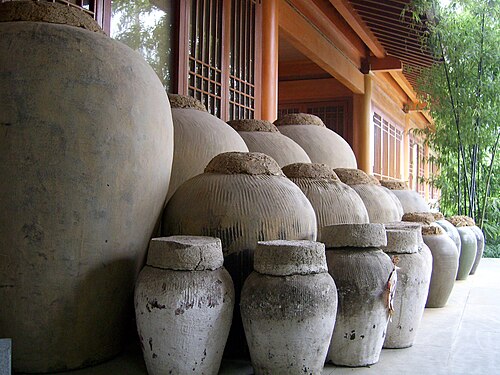
古代酒坛

图片来源:Wikimedia Commons · 作者 Shizhao,CC BY-SA 3.0

典籍记载

Classical Record

汉代文献中记载的枸杞酒酿造方法,是把新鲜果实封入大缸中自然发酵
The Han-dynasty method for making goji wine involved sealing fresh berries in a large jar to ferment naturally

这种做法在古代小规模、分散化的家庭或作坊生产条件下,是与当时生产力水平相适配的一种朴素技艺。

This simple technique suited the small-scale, dispersed household or workshop production conditions of the time.

工艺演变

Craft Evolution

随着蒸馏技艺的出现,蒸馏酒浸制法逐渐取代了单纯的发酵法——用蒸馏而成、浓度更高的白酒浸泡药材,萃取效率更高、更适合长期保存,成为后世药酒制作的主流工艺。

With the emergence of distillation, steeping herbs in higher-proof distilled liquor gradually replaced simple fermentation — offering more efficient extraction and longer storage, and becoming the mainstream method in later generations.

出处:汉代文献记载整理;传统酿造工艺史料。 Sources: Compiled Han-dynasty textual records; historical materials on traditional brewing craft.

本厅内容持续核实与更新中,如发现史实疑问或文献出处问题,欢迎通过首页联系方式告知我们。 Content in this hall is continuously verified and updated. If you notice any factual issues or citation errors, please let us know via the contact information on the homepage.