医食同源,本草入馔
Food and medicine, from the same root
《黄帝内经》与《神农本草经》确立了"药食同源"的理论基础,认为诸多草木既可为食,亦可入药。2002年起,国家卫生行政部门陆续发布公告,将党参、黄芪、当归、西洋参、灵芝、天麻等物质列入"既是食品又是中药材"目录,历经多次扩增,现收录逾百种。以下按补气、滋阴、理气、清热四类,各选取两味代表性本草,逐一呈现其典籍出处与日常应用,末尾附两则经典配伍范例。本厅所述均为历史文化梳理,不构成对具体食材现代功效的判断。
The Yellow Emperor's Inner Canon and the Divine Farmer's Materia Medica established the theoretical basis for "food as medicine." Since 2002, China's national health authorities have issued official notices listing substances such as codonopsis, astragalus, angelica, American ginseng, reishi and gastrodia as "both food and Chinese materia medica," a list expanded to over one hundred entries today. Below, four categories — qi-tonifying, yin-nourishing, qi-regulating, and heat-clearing — each present two representative herbs, with classical sources and daily use, followed by two classic combinations. This hall presents historical and cultural context only, and does not judge the modern efficacy of any specific ingredient.
以下内容为药食同源理论脉络与官方目录沿革的历史文化梳理,不对具体食材的现代功效作出判断——安全性与现代证据请查证 AMMKB 药材知识库;食材与药材的具体使用建议请咨询专业中医师或医师。
The following is a historical and cultural account and does not make claims about the modern efficacy of any specific ingredient — for current evidence and safety data, see our AMMKB Materia Medica Knowledge Base; consult a qualified practitioner for specific usage advice.

图片来源:Wikimedia Commons · 作者 Doronenko,CC BY-SA 3.0
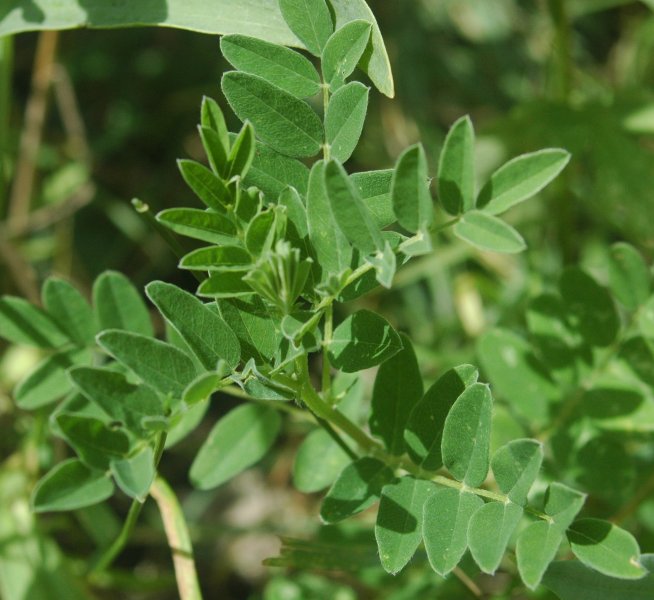
"主痈疽,久败疮,排脓止痛……补虚。"——《神农本草经》,古称"黄耆",列为上品
"Treats carbuncles and long-unhealed sores, expels pus and stops pain... tonifies deficiency." — Divine Farmer's Materia Medica, listed as an upper-grade herb
后世医家将其应用范围扩展至"气虚乏力、食少便溏、中气下陷"等调理场景,民间常称其为"补气诸药之最"。
Later physicians extended its use to conditions such as fatigue and poor appetite; in folk tradition it is often called the foremost among qi-tonifying herbs.
2020年,黄芪被国家卫健委正式列入药食同源目录。日常最常见的食用方式是煲汤——几片黄芪配红枣炖鸡,是秋冬季节不少家庭常备的家常汤品。
Astragalus was formally listed in the national food-medicine catalogue. It is most commonly used in soups — astragalus slices simmered with red dates and chicken are a common household dish in autumn and winter.

图片来源:Wikimedia Commons · 作者 Fumikas Sagisavas,CC0 公共领域
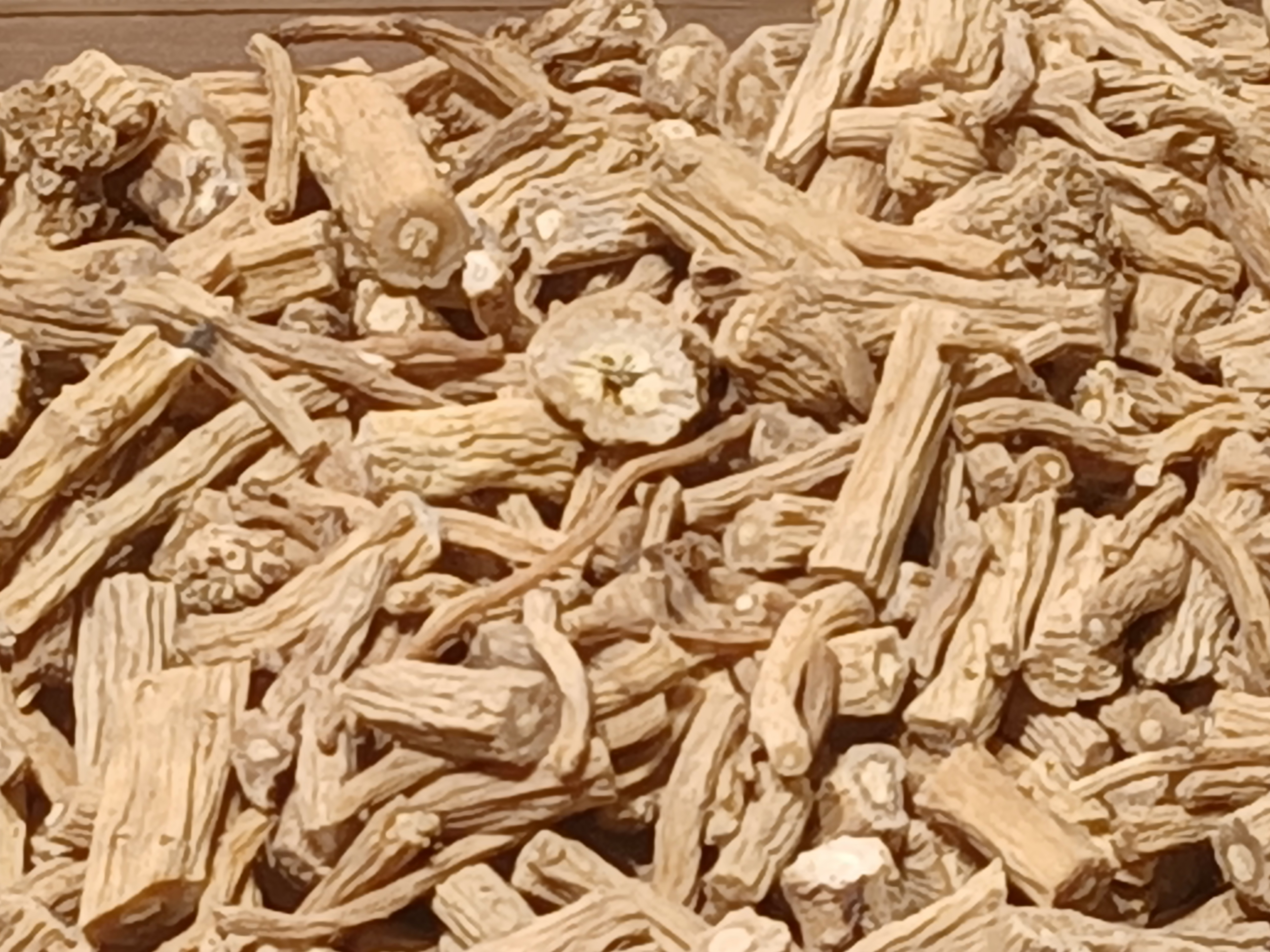
历代医家笔记中屡见"以党参代人参"之说,因其性味平和、价格亲民
Classical physicians' notes repeatedly mention "using codonopsis in place of ginseng," owing to its mild nature and accessibility
逐渐成为寻常百姓家用得最多的补气食材之一。
It gradually became one of the most widely used qi-tonifying ingredients in ordinary households.
最常见的食用方式是炖汤,党参炖鸡、党参煲排骨,是南方家庭餐桌上常见的家常菜式,直接与肉类同炖,几个小时后汤色浓郁。
Most commonly simmered in soup with chicken or pork ribs, a familiar dish on southern Chinese family tables, requiring no special preparation beyond slow-cooking with meat.

图片来源:Wikimedia Commons · 作者 John Carl Jacobs,CC BY-SA
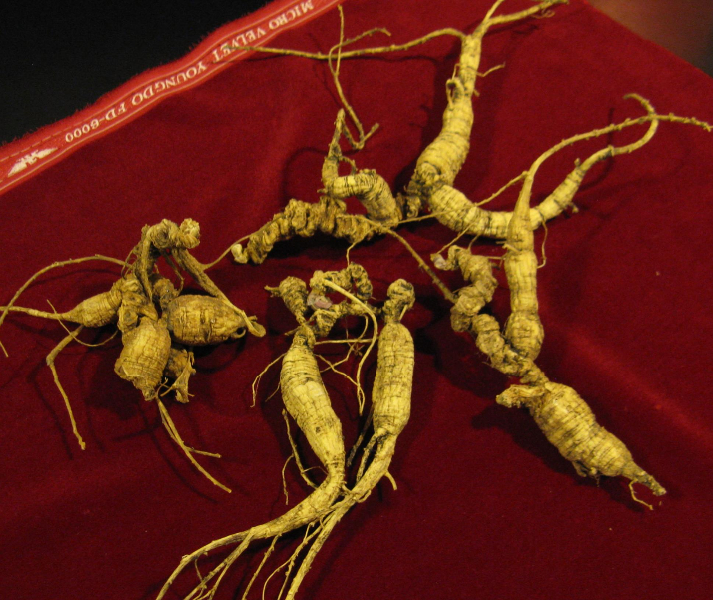
大约清代传入中国后,被历代医家纳入本草学讨论范畴
Introduced into China around the Qing dynasty, and subsequently discussed within the materia medica tradition
形成"西洋参性凉、人参性温,两者互补"的传统认知,是中医"寒热调和"养生哲学的具体例证。
A traditional view formed that American ginseng (cooling) and Asian ginseng (warming) complement each other — a concrete example of the "balancing cold and heat" philosophy.
常见食用方式是切片泡水或炖汤,不少家庭在夏季用它替代性质更温热的人参,体现"因时因人调整食材"的传统。
Commonly sliced for infusion or simmered in soup; some households use it in summer in place of the warmer Asian ginseng, reflecting the tradition of adjusting ingredients to season and constitution.

图片来源:Wikimedia Commons · 作者 Fumikas Sagisavas,CC0 公共领域
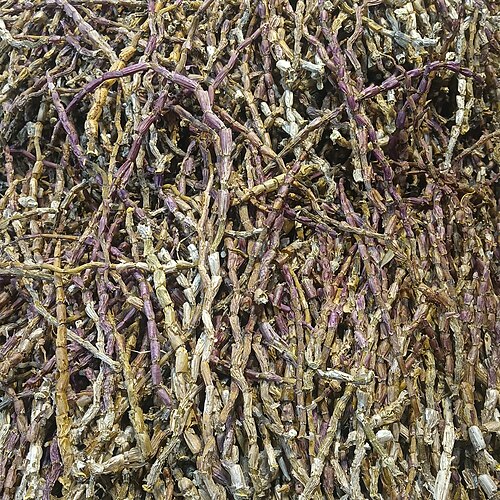
在浙江一带自古有"仙草"之称,民间流传着关于其生长于悬崖石壁、采集不易的传说
Long known in Zhejiang as the "immortal herb," with folk legends describing its growth on remote cliff faces and the difficulty of harvesting it
这些传说折射出古人对这种药材的珍视程度。
These legends reflect how highly the herb was traditionally valued.
传统食用方式多为泡水或炖汤,质地清润、口感微甘。如今浙江一些地方的种植与加工已形成规模化的地方产业。
Traditionally infused or simmered in soup, with a light, faintly sweet character. Cultivation and processing have since grown into a substantial regional industry in parts of Zhejiang.

图片来源:Wikimedia Commons · 作者 Simon A. Eugster,CC BY-SA 3.0
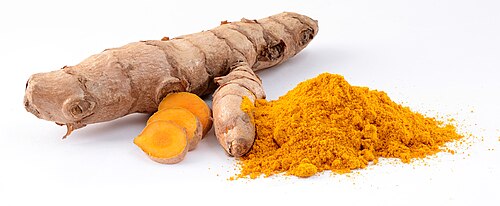
在中国传统饮食中应用历史悠久,尤在南方一些地区的传统烹饪中,常被用作天然调味与染色的食材
Long used in traditional Chinese cuisine, particularly in some southern regions, as a natural seasoning and colouring agent
其气味辛香、性质温烈的特点,使它在传统认知里既是调味佐料,也是一味理气行滞的本草。
Its pungent aroma and warming nature meant it was traditionally regarded as both a seasoning and a qi-regulating herb.
2020年,姜黄被国家卫健委正式列入药食同源目录,这一认定是对它长期以来"厨房里的药材"这一民间身份的官方确认。
In 2020, turmeric was formally added to the national food-medicine catalogue — an official recognition of its long-standing folk identity as a "kitchen medicine."

图片来源:Wikimedia Commons · 1793年《医学植物志》印刷图,公共领域
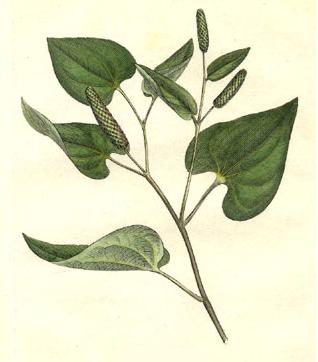
原产于南亚,历史上经由古代商贸路线传入中国,曾是重要的进口香料之一
Native to South Asia, historically introduced into China via ancient trade routes as an important imported spice
气味辛辣浓烈,常被用于传统炖煮菜式的调味。
Pungent and intense in flavour, traditionally used to season slow-cooked dishes.
与姜黄同批于2020年被纳入药食同源目录,两者的共同点在于"辛香调味"与"理气本草"这两种身份在同一种植物身上的自然叠合。
Added to the catalogue in the same 2020 batch as turmeric — both share the dual identity of aromatic seasoning and qi-regulating herb.

图片来源:Wikimedia Commons · CC BY-SA,特色图片
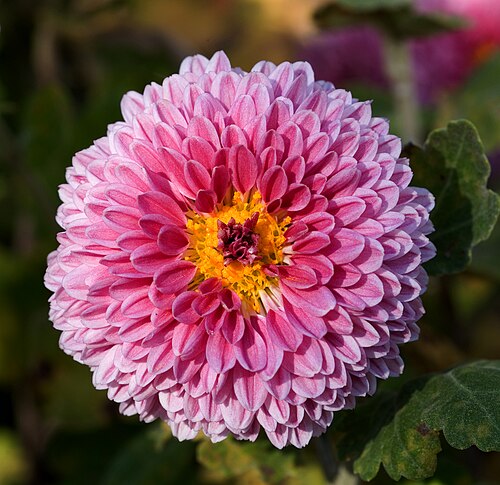
入食入药历史极为悠久,历代文人笔下常有咏菊、饮菊的记载
A long history of both culinary and medicinal use; frequently celebrated in poetry across the dynasties
重阳节饮菊花酒的习俗流传千年,是中国节庆文化里一个鲜明的符号。
The custom of drinking chrysanthemum wine during the Double Ninth Festival has persisted for over a thousand years as a distinct cultural symbol.
今天,菊花茶是最普及的家常茶饮之一,杭白菊、胎菊都是老百姓在炎夏时节常备的茶饮选择。
Chrysanthemum tea remains one of the most popular household beverages today, a common choice in hot summer months.

图片来源:Wikimedia Commons · 作者 Mokkie,CC BY-SA 3.0
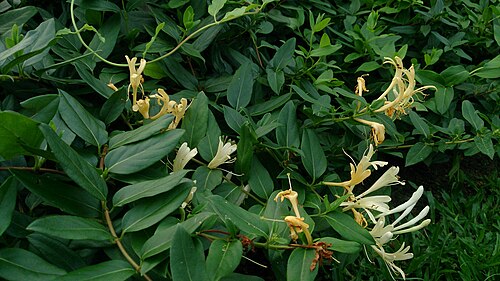
花朵初开为白色,后转为黄色,故得名"金银花",传统本草文献中常与其藤茎"忍冬藤"一同记载
Named for its flowers, which open white and turn yellow; traditionally recorded alongside its vine, "honeysuckle stem"
作为清热类常见药食同源植物,在传统本草文献中有着悠久的记载。
A long-recorded heat-clearing plant in traditional materia medica literature.
金银花茶在中国南北各地都有广泛的民间饮用传统,尤在夏季,是很多家庭消暑解渴的日常选择。
Honeysuckle tea has a widespread folk tradition of consumption across China, particularly in summer, as a common household beverage.

图片来源:Wikimedia Commons · 来源 a-hospital.com,CC BY-SA 3.0
出自东汉张仲景《金匮要略》,原方记载用于调理"寒疝腹中痛及胁痛里急"等症状
Recorded in Zhang Zhongjing's Essentials of the Golden Cabinet, originally for symptoms described as "cold-type abdominal and flank pain with urgency"
方中当归养血活血、生姜温中散寒、羊肉温补气血,三者搭配,是"药食同炖"传统里流传最久的方子之一。
Angelica nourishes and moves the blood, ginger warms the interior, and lamb tonifies qi and blood — one of the longest-standing "medicine-and-food" combinations in the tradition.
这道汤在中国北方冬季进补的餐桌上依然极为常见,很多人未必知道它的典籍出处,却在不知不觉中延续着这份千年以前的饮食智慧。
This soup remains a common winter dish in northern China today, its classical origin often unknown to those who continue to prepare it.

图片来源:Wikimedia Commons · 作者 无情介壳虫,CC BY-SA 4.0
由茯苓、莲子、芡实、山药四种食材共同炖煮而成,四者皆性味平和、质地绵软
Made by simmering poria, lotus seed, euryale seed and Chinese yam together — all four mild in nature and soft in texture
是传统"平补而不燥"这一理念的典型代表,尤在闽南与台湾地区颇具知名度。
A classic example of the "gentle nourishment without excess heat" principle, particularly well known in southern Fujian and Taiwan.
因其温和的性质,往往被视为老少皆宜的日常调理汤品;在闽南及台湾的传统小吃摊上,甚至发展出不加药材、纯粹作为家常小吃的简化版本。
Regarded as suitable for all ages due to its mild nature; traditional snack stalls in the region have even developed simplified versions without any herbal ingredients at all.
本厅内容持续核实与更新中,如发现史实疑问或文献出处问题,欢迎通过首页联系方式告知我们。 Content in this hall is continuously verified and updated. If you notice any factual issues or citation errors, please let us know via the contact information on the homepage.